Style
Kitchen Cabinet Trends: Top Styles, Colors & Design Ideas for Modern Canadian Homes
Aug
Kitchen cabinets are no longer just storage. In 2026, they set the tone for the entire home, blending function with a sense of personal style that reflects how Canadian homeowners actually live. From condo kitchens in downtown Toronto to spacious custom builds across the Greater Toronto Area, cabinetry choices are shifting toward warmer tones, mixed materials, and layouts built for real families, real budgets, and real climates.
This guide walks through the kitchen cabinet trends shaping Canadian homes this year, drawing on current design data, material performance in Canadian climates, and insight from the design and installation team at KASA Kitchens, a GTA based kitchen design and construction company. Whether you are planning a full renovation or a targeted cabinet refresh, these trends will help you make choices that look current today and hold their value for years to come.
Why Kitchen Cabinet Trends Matter for Canadian Homeowners
Cabinets typically account for the largest single cost in a kitchen renovation, often 30 to 40 percent of the total budget. Choosing a style and finish that will still look intentional in ten years protects that investment. It also matters for resale. Realtors across the GTA consistently report that updated, cohesive kitchens are one of the top factors influencing a buyer’s first impression of a home.
Climate is another Canadian specific factor. Cabinet materials need to handle humidity swings between a dry winter with forced air heating and a humid summer, especially in older homes without consistent ventilation. The trends below account for both style and practical performance in Canadian conditions.
Top Kitchen Cabinet Styles for 2026
1. Modern Shaker
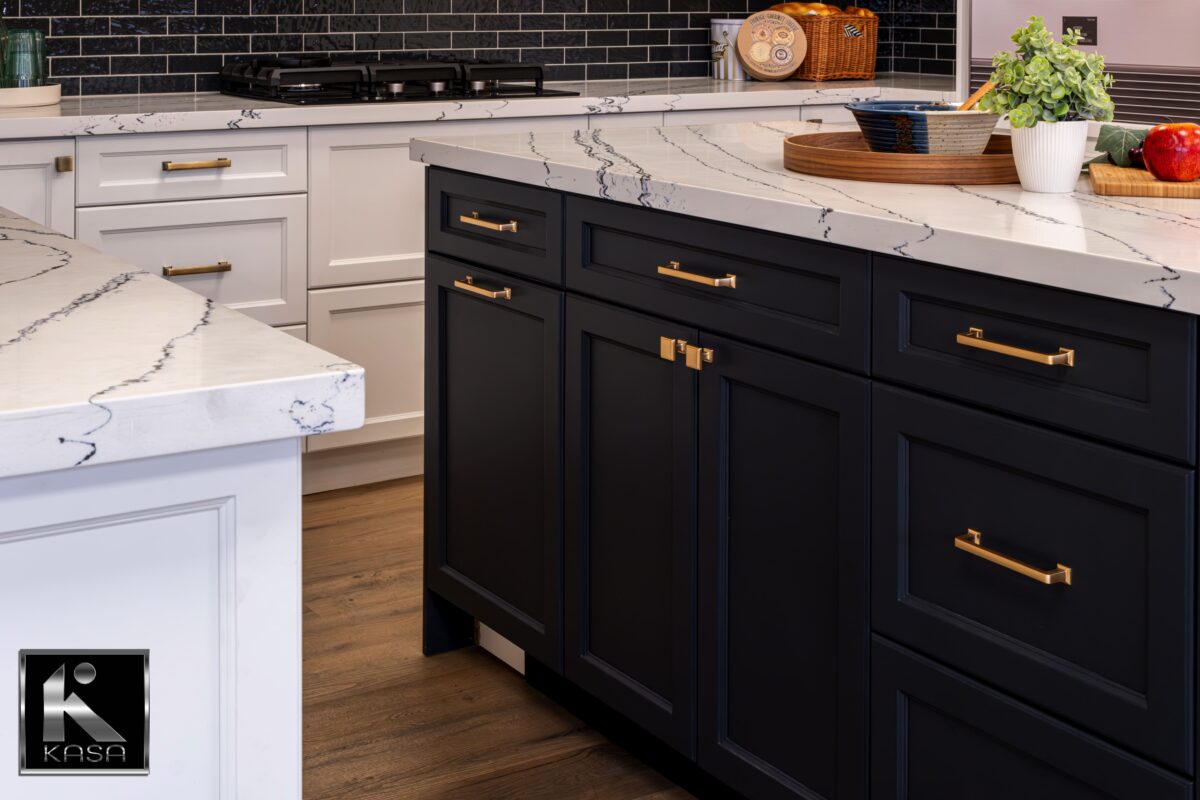
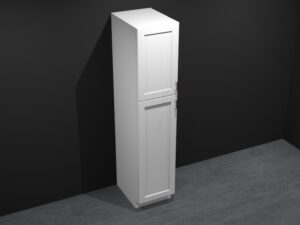
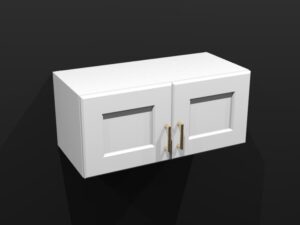
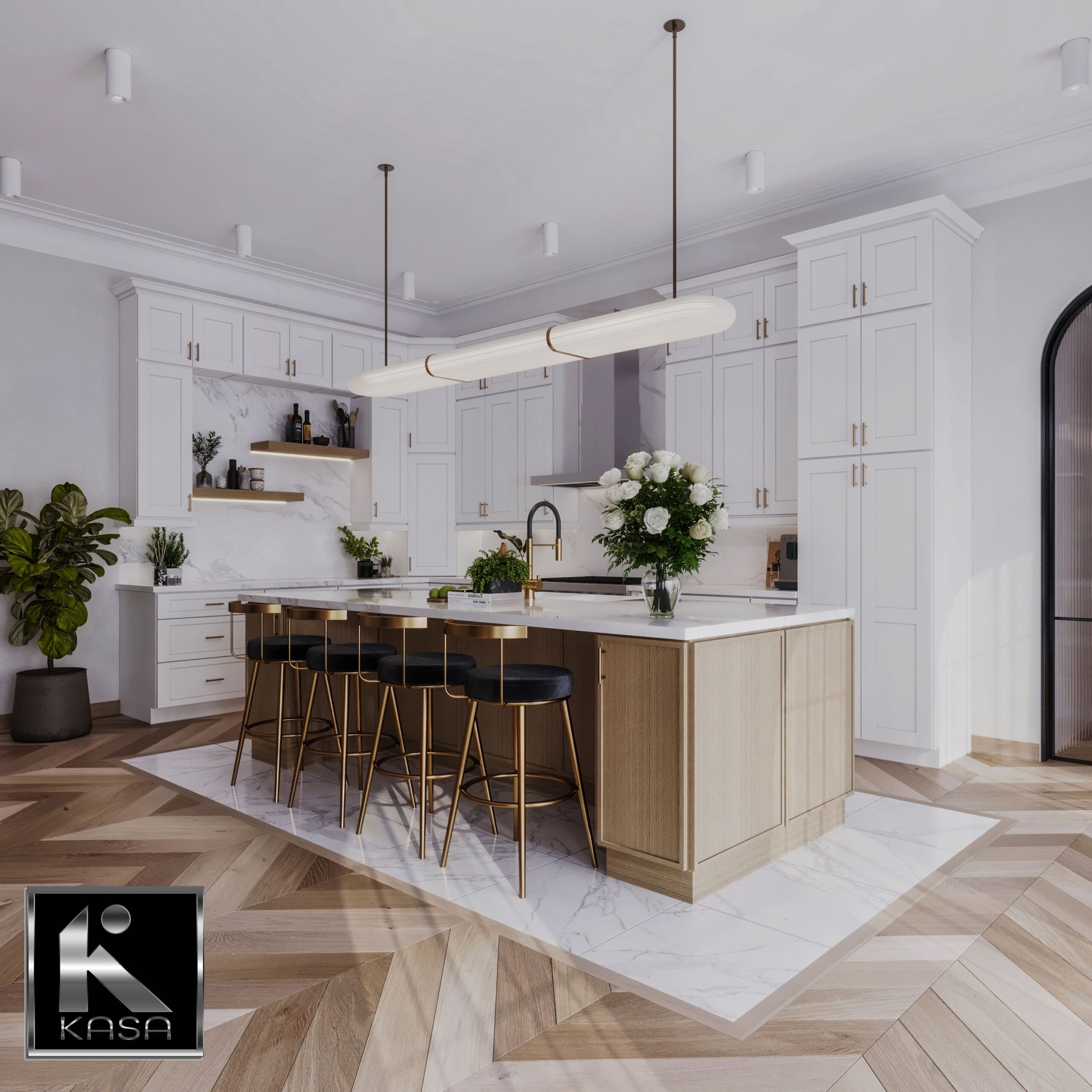
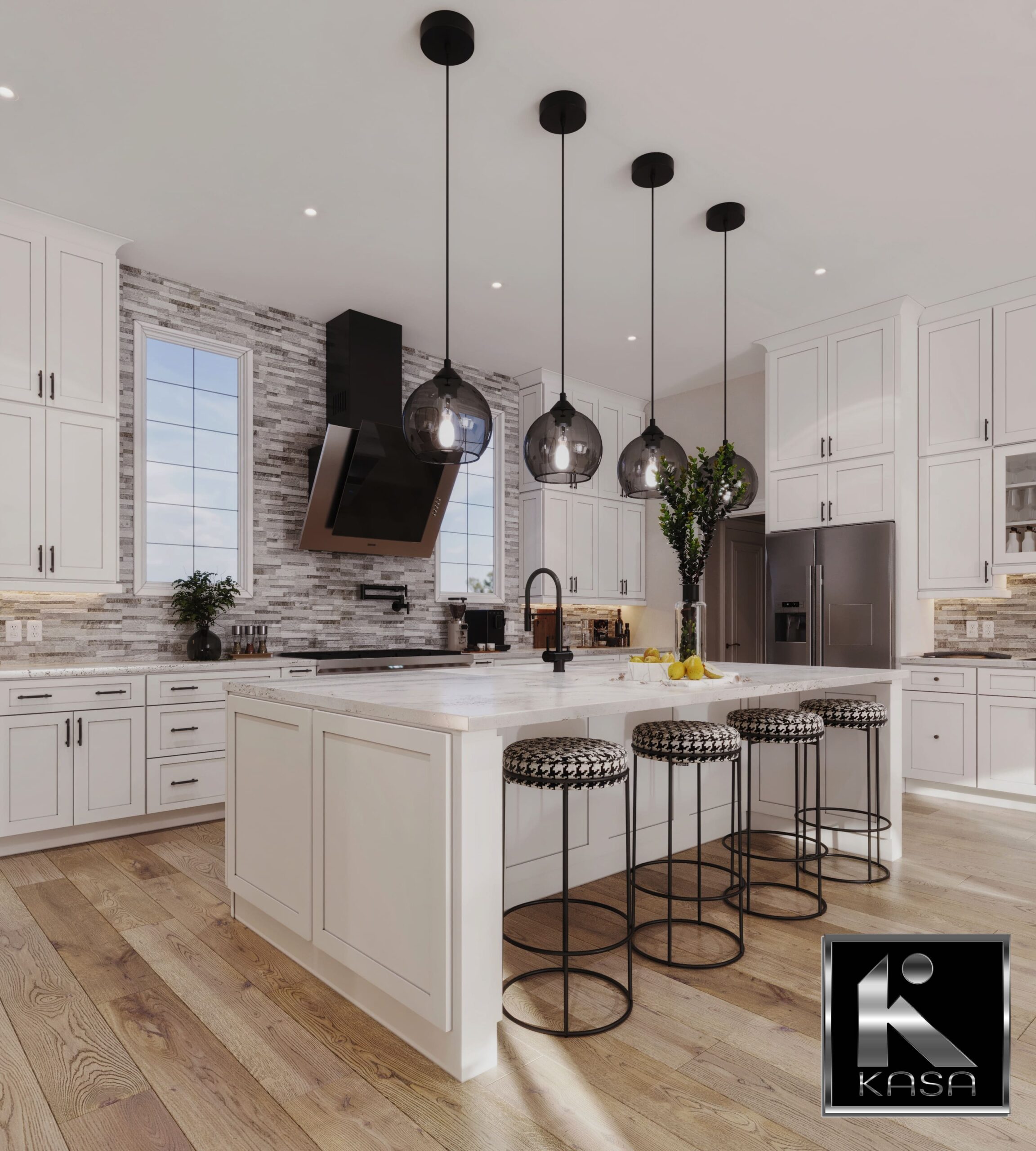
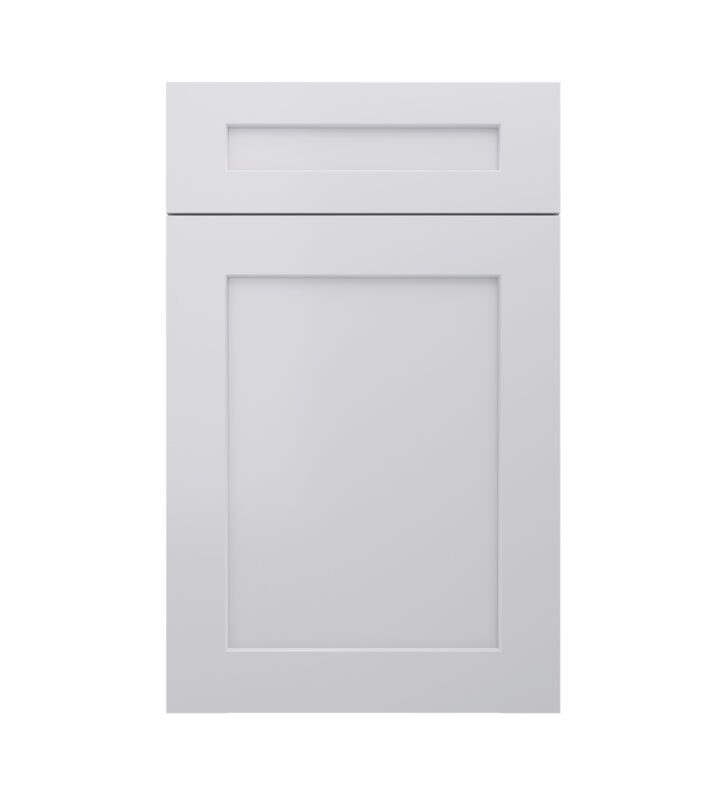
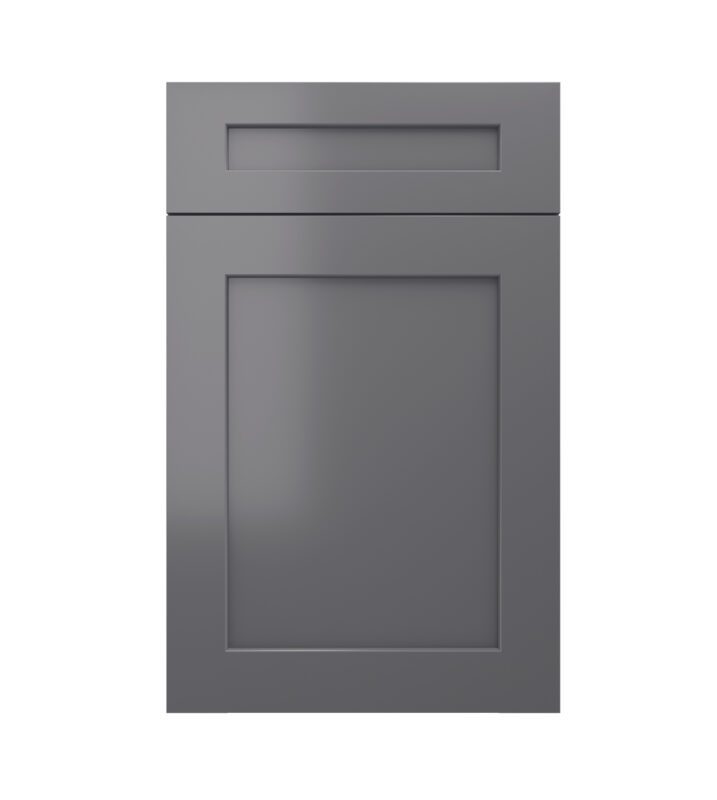
The Shaker profile remains the most requested cabinet style in Canada, and for good reason. Its clean, recessed panel look works in both traditional and contemporary kitchens, and it pairs easily with a wide range of hardware and countertop choices. In 2026, the trend is toward a slightly refined Shaker profile with a narrower rail width, giving it a more modern, less farmhouse look.
See more:
2. Slab and Flat Panel
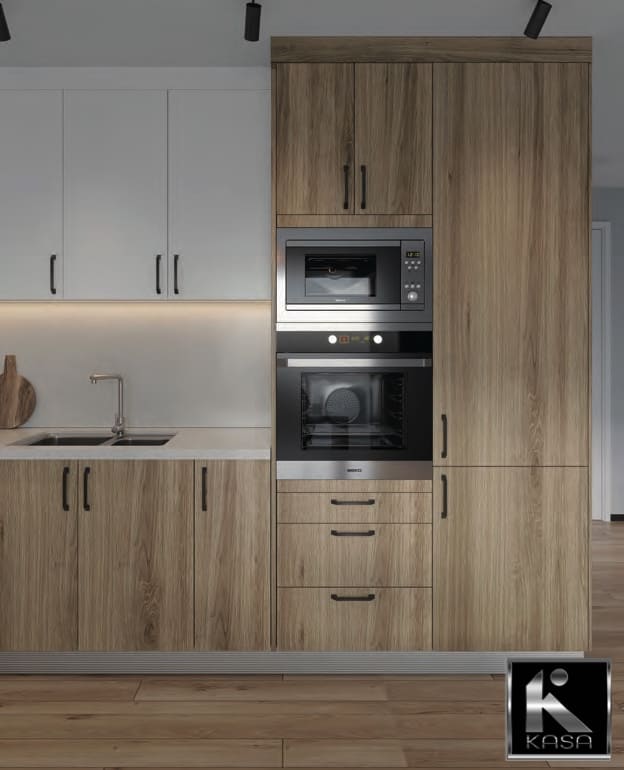
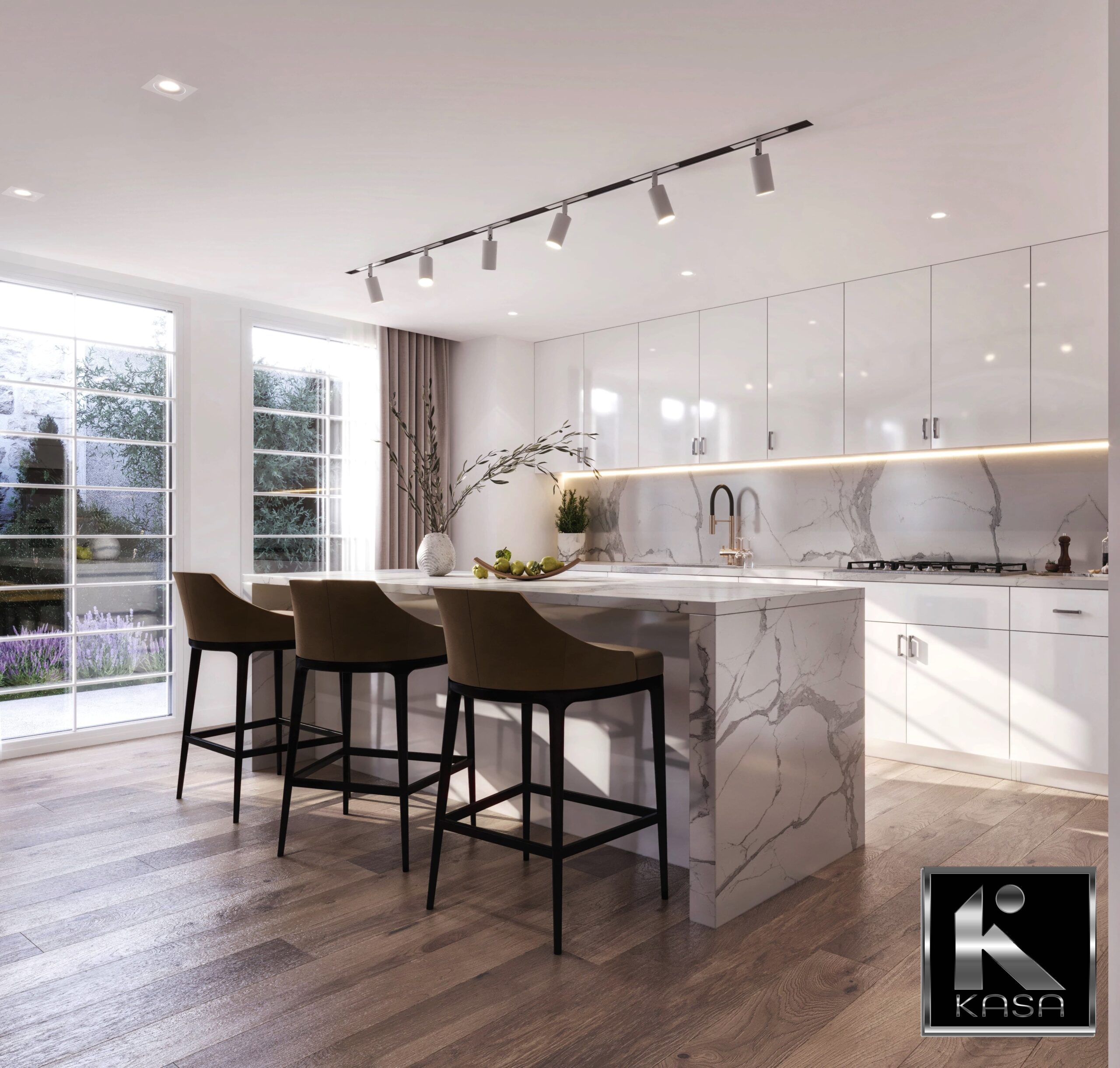
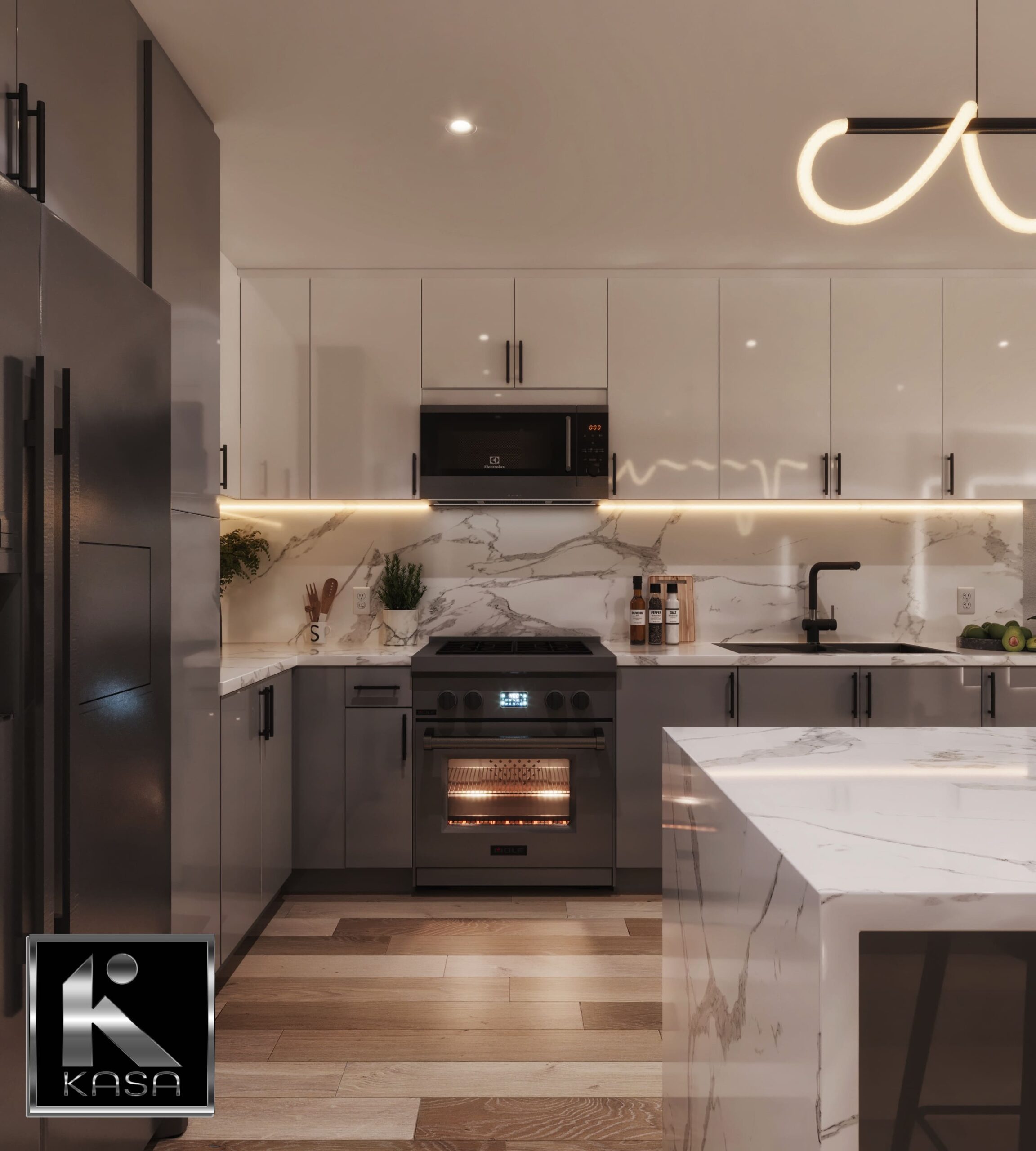
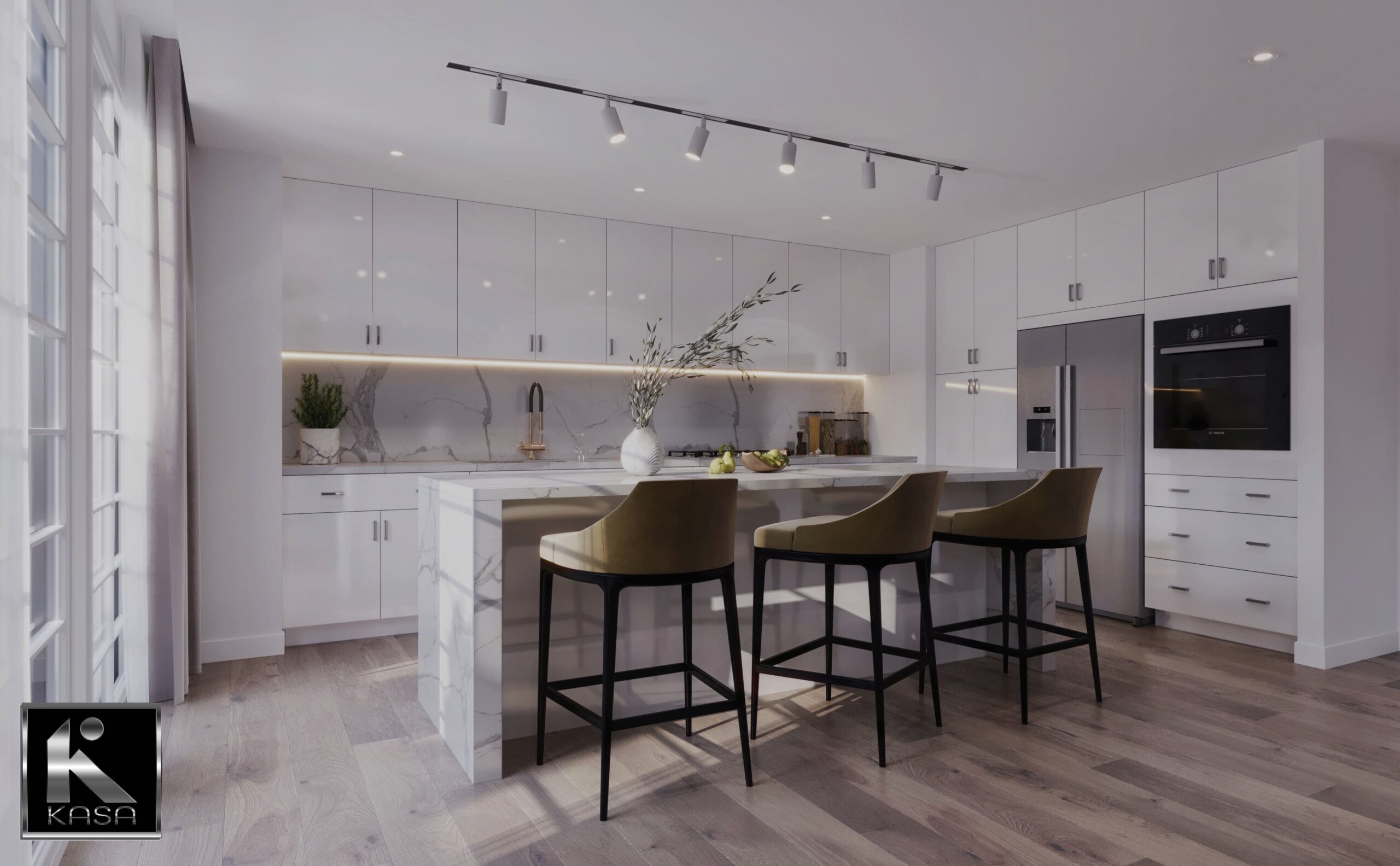
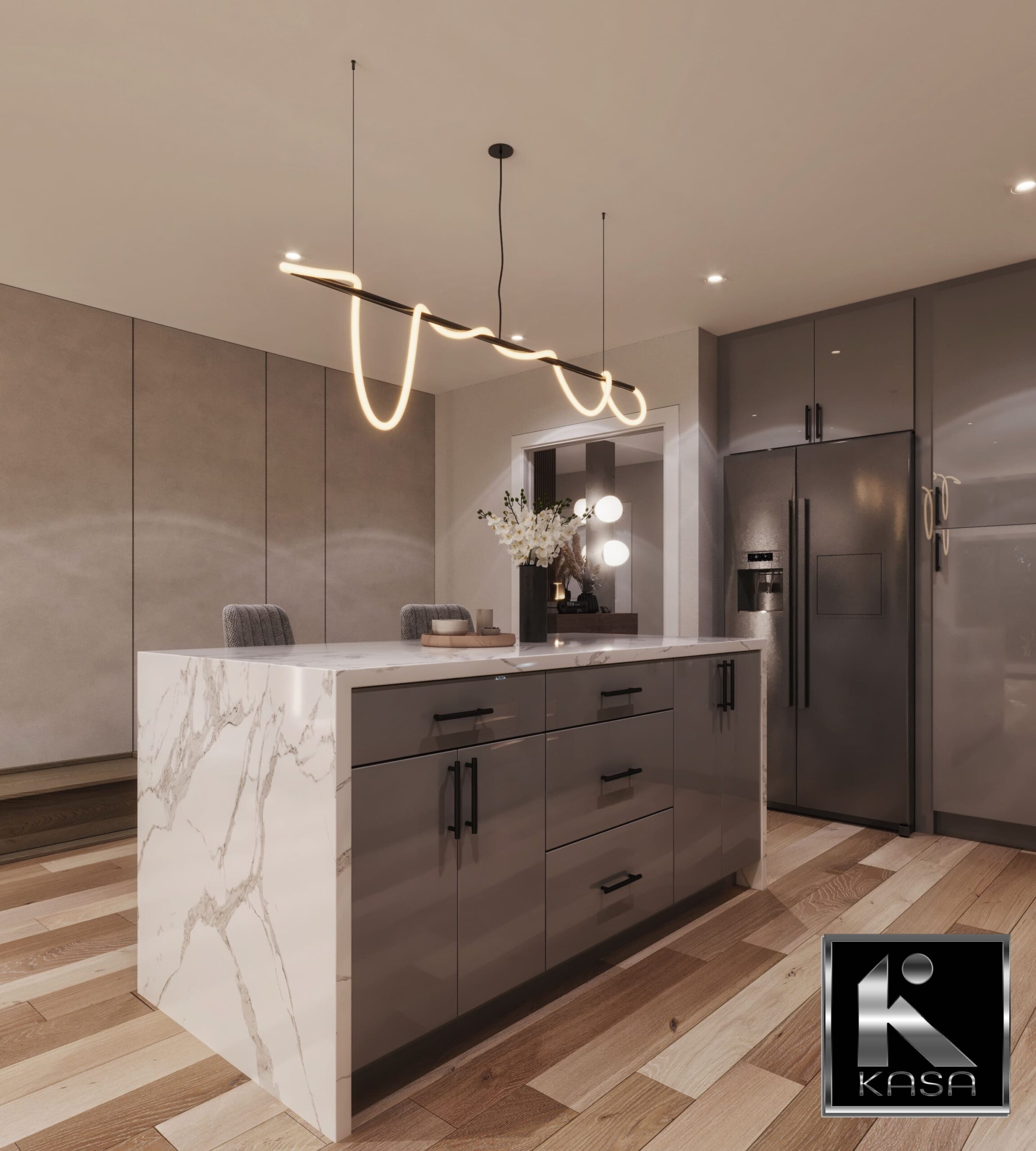
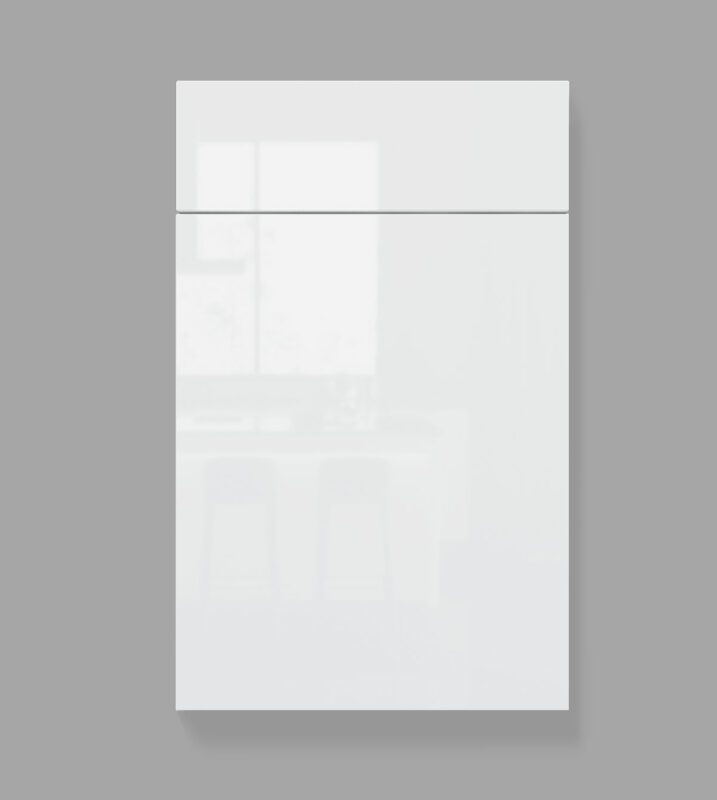
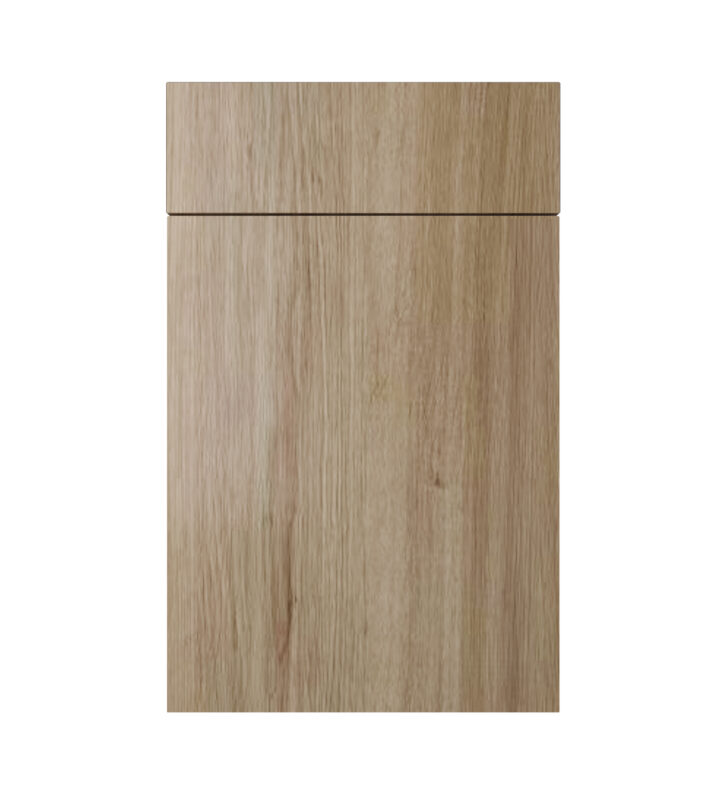
Slab door cabinets, with their smooth, handle free or minimal hardware look, continue to gain ground in condo renovations and new builds across the GTA. They suit smaller kitchens well because the flat surface visually simplifies the space, making rooms feel larger and less cluttered.
See more:
Shaker Cabinets vs. Slab Cabinets for Resale Value in Canada: Which Should You Choose?
3. Curved and Soft Edge Cabinetry
One of the more distinct shifts in 2026 is the move toward curved cabinet ends, rounded islands, and softened corners. This trend responds to a broader interior design movement away from strict rectilinear lines, and it also serves a practical purpose in smaller kitchens by softening tight walkways.
4. Two Tone and Mixed Material Kitchens

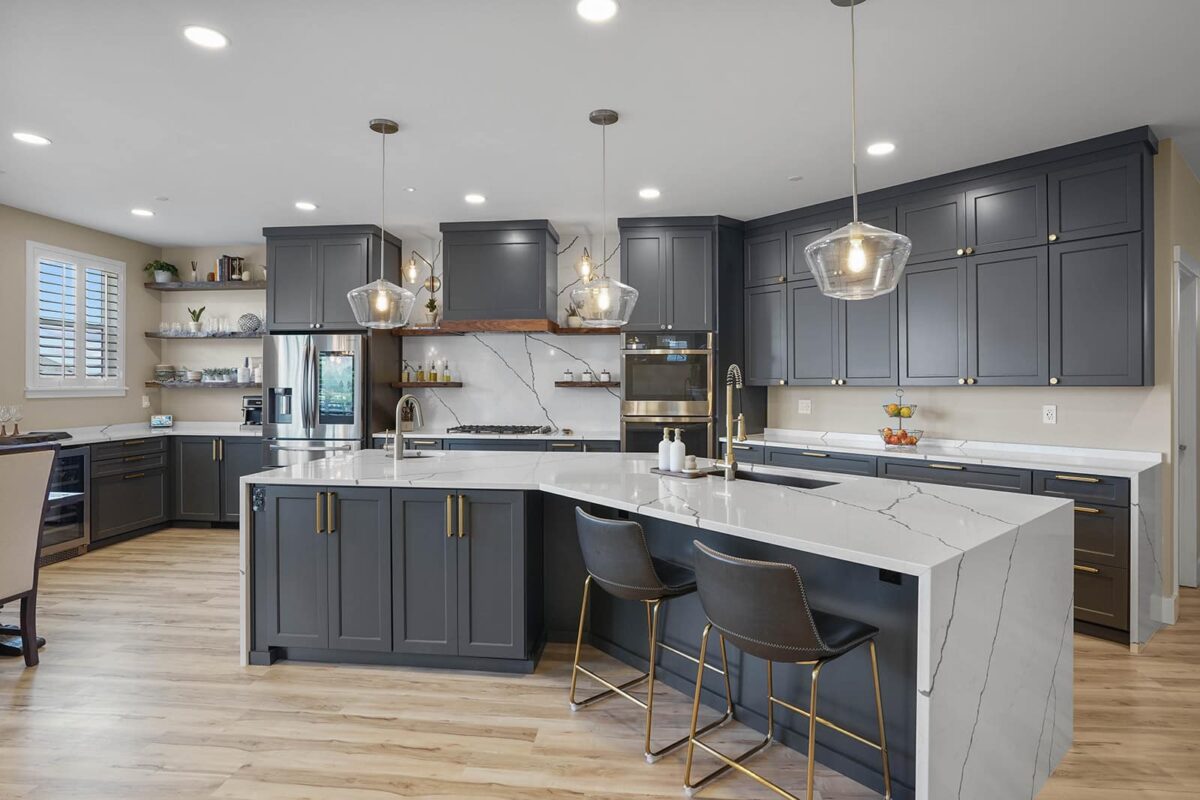
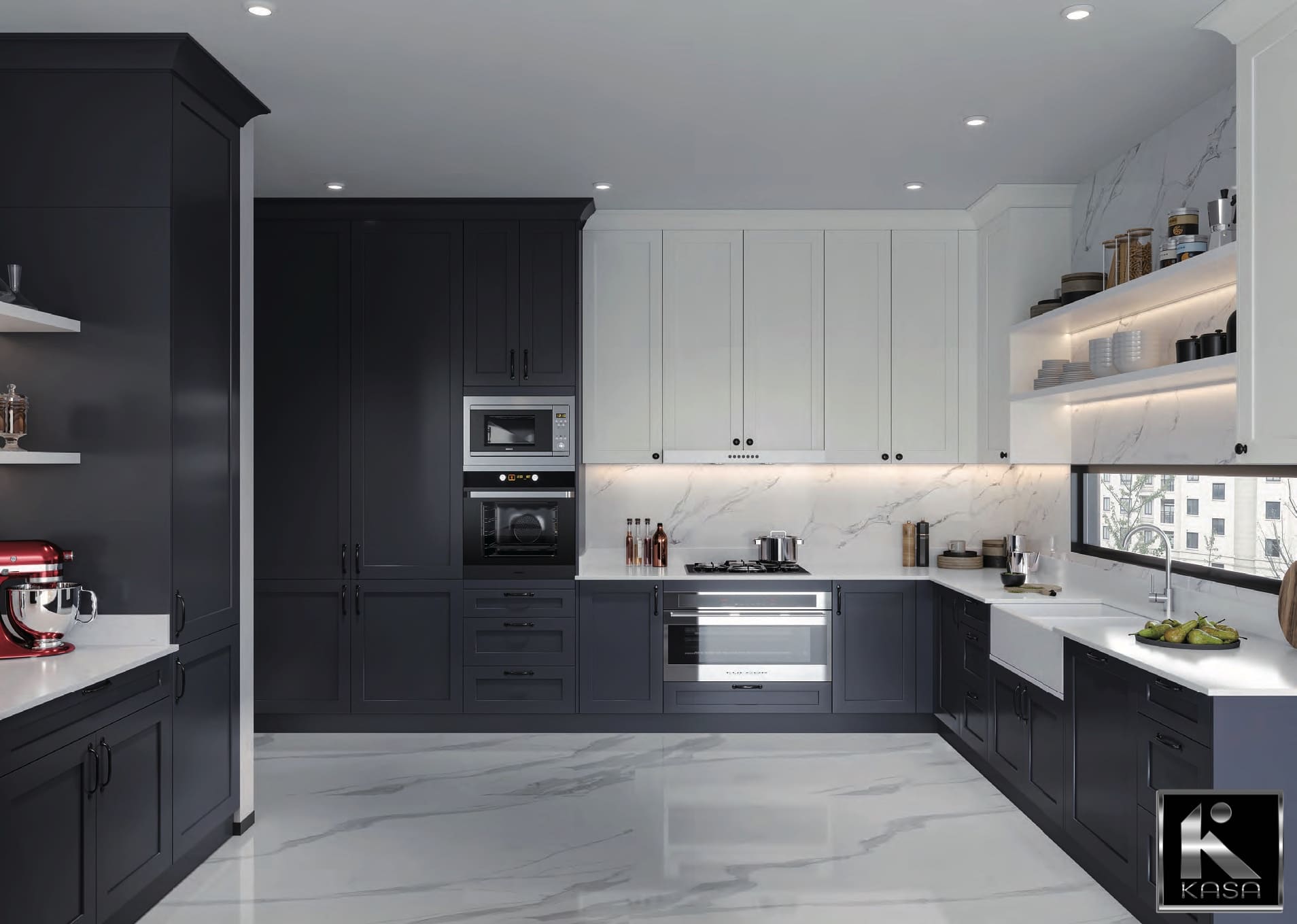
Rather than a single cabinet color throughout, many Canadian homeowners are now pairing a darker tone on the island with a lighter tone on the perimeter cabinets, or combining wood tone cabinets with painted uppers. This approach adds visual interest without overwhelming a room, and it allows homeowners to introduce a bold color in a smaller, more contained way.
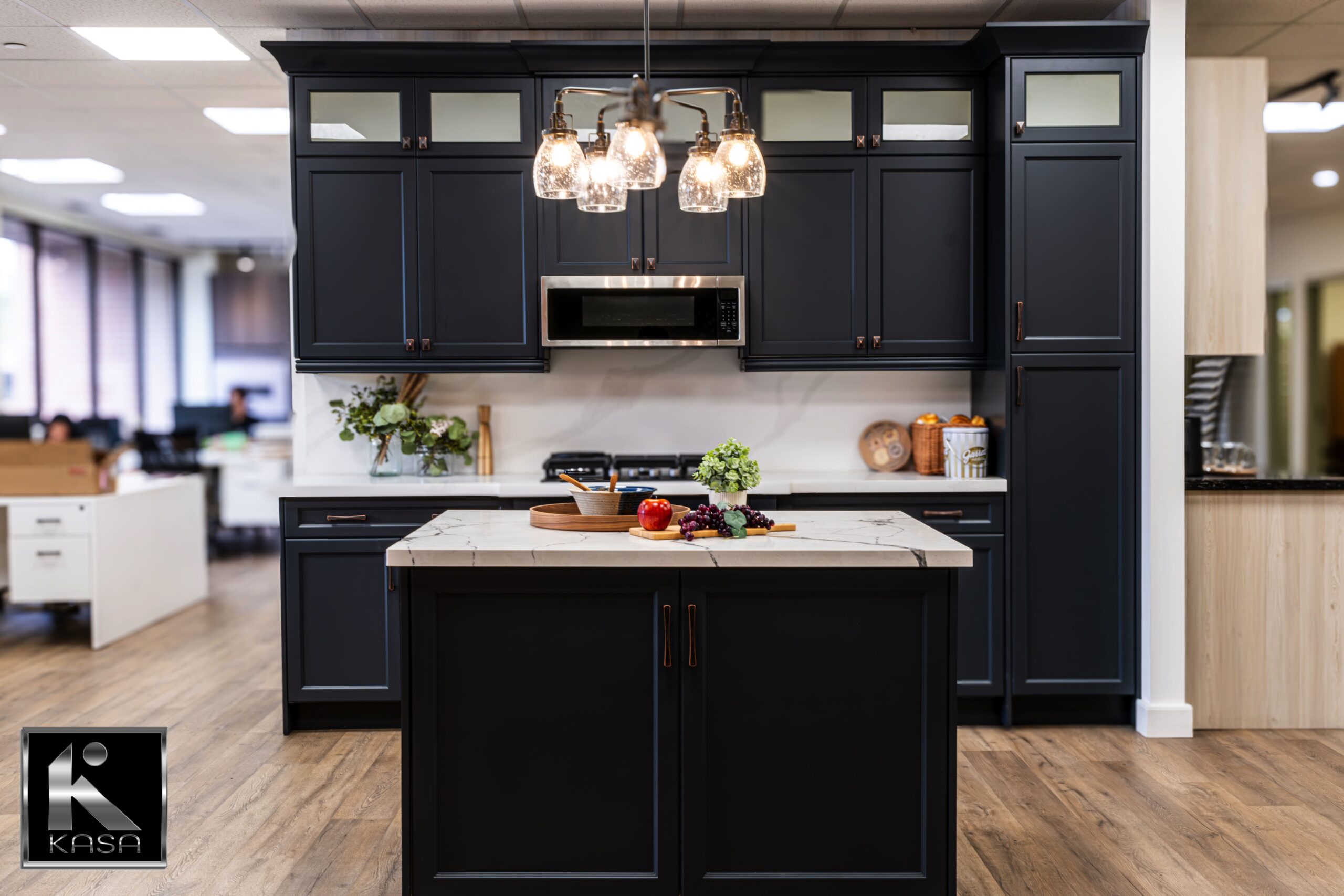
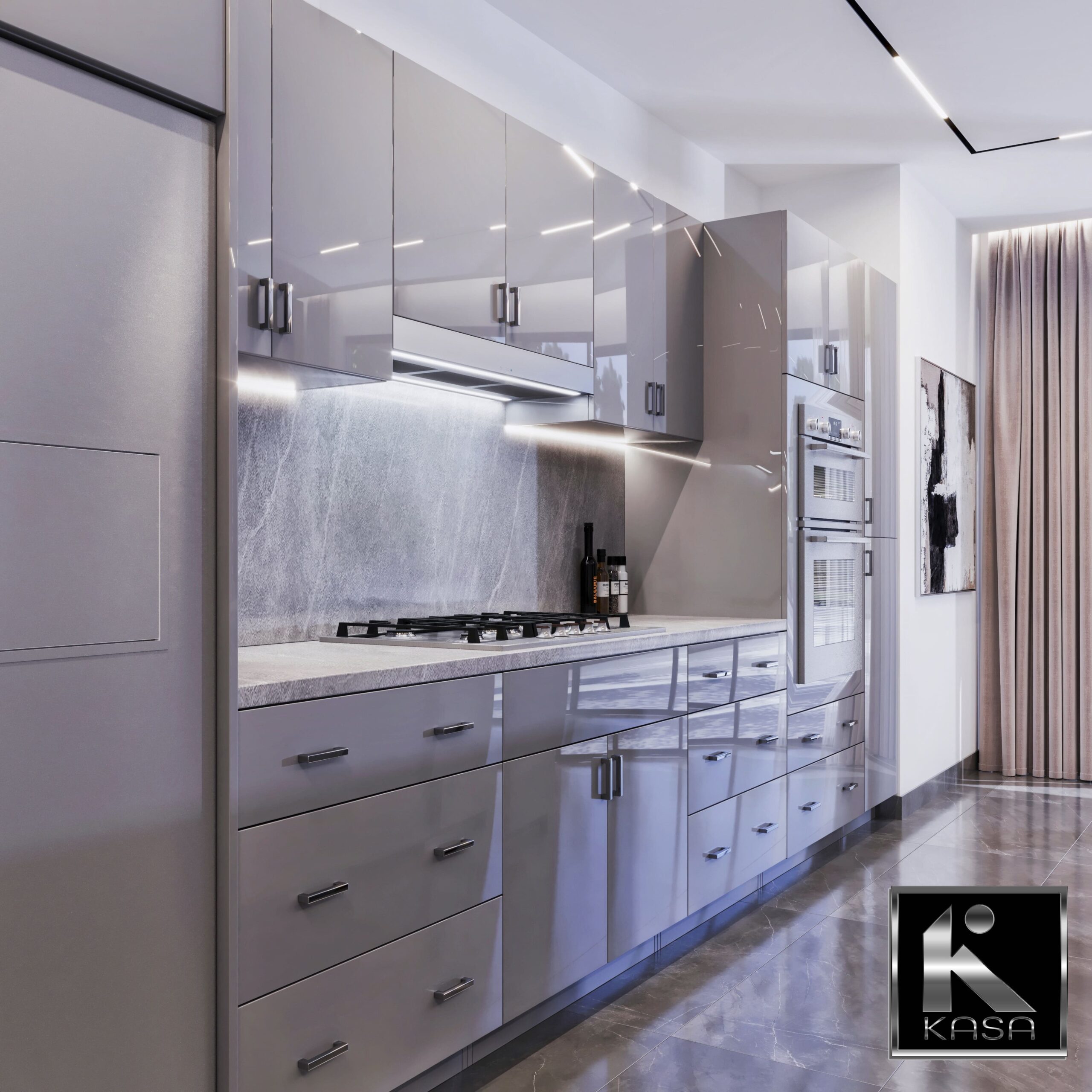
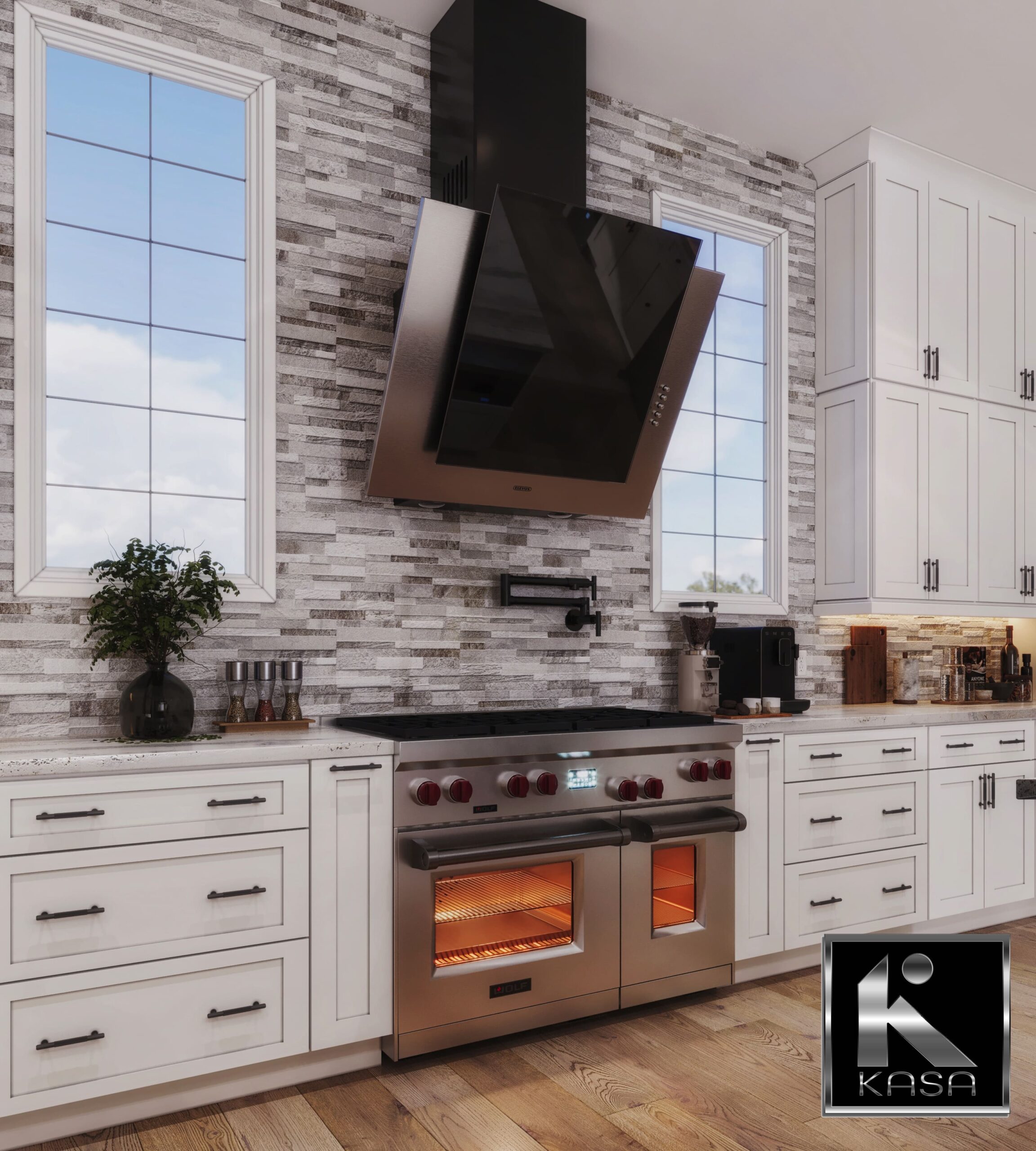
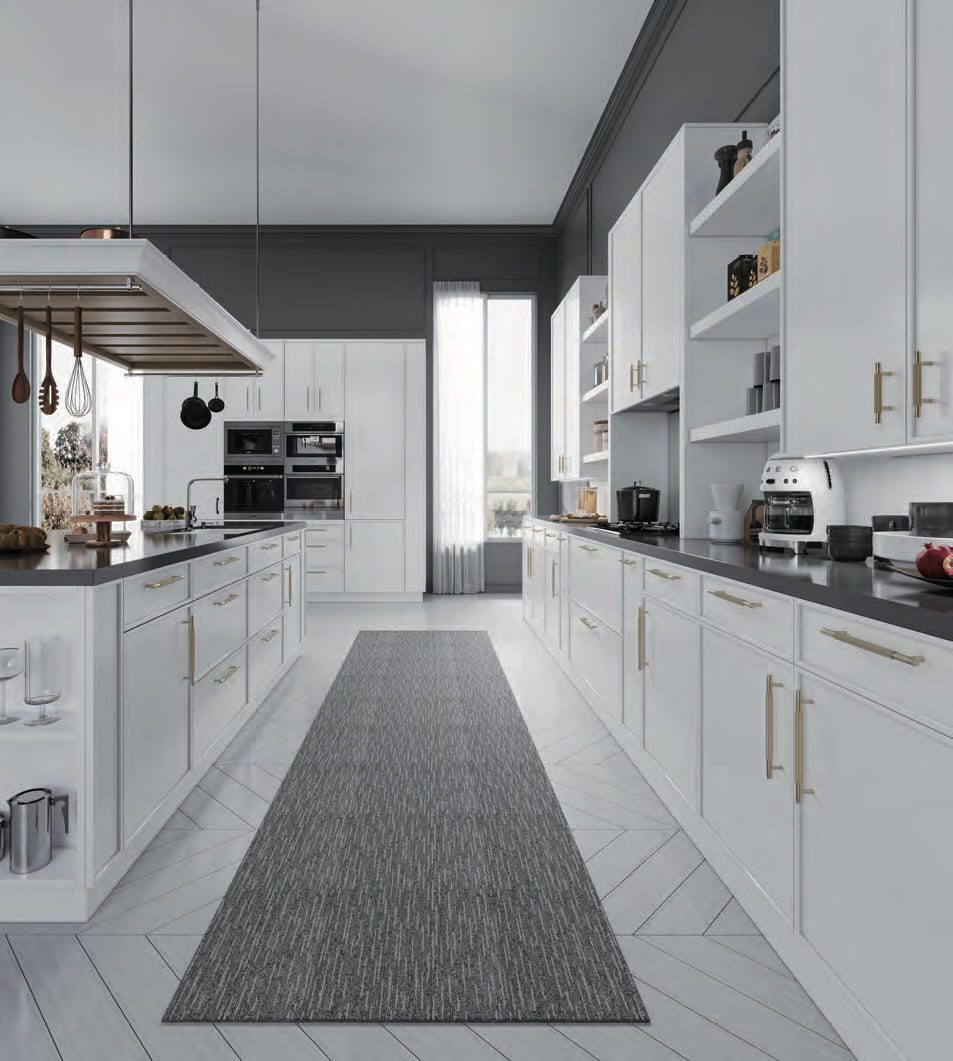
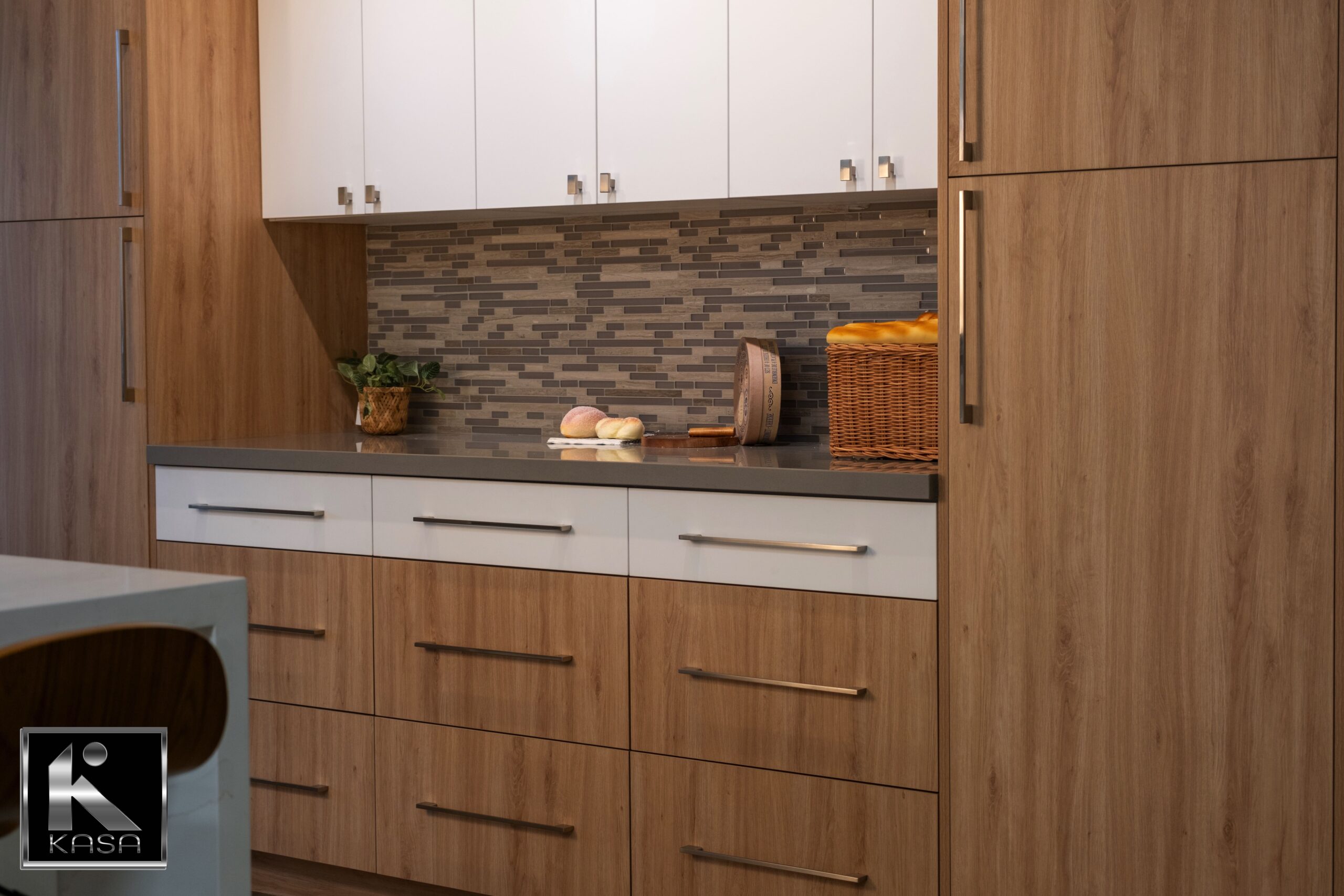
5. Kitchen cabinet designs

Top Kitchen Cabinet Colors in Canada This Year
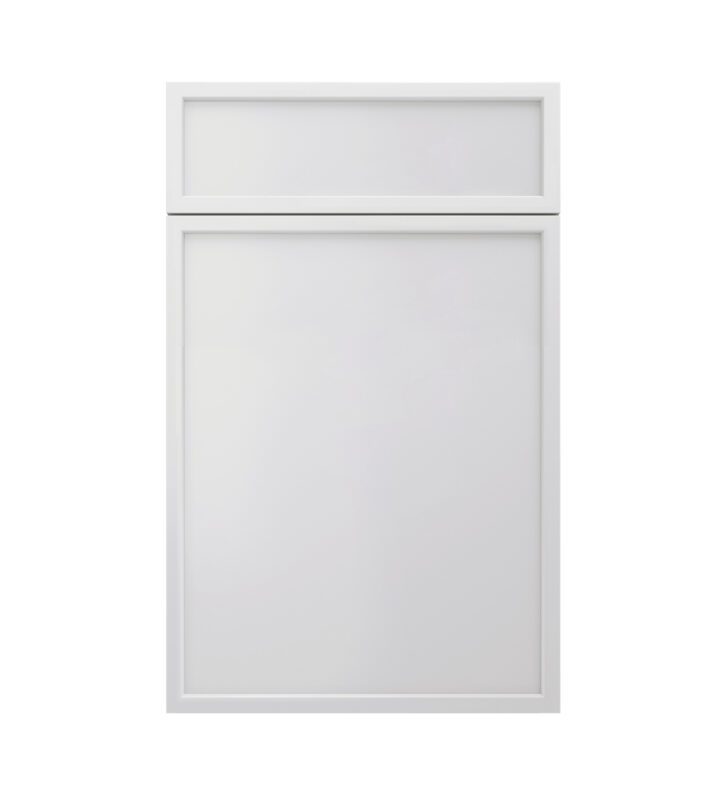
Color remains the single biggest driver of a kitchen’s overall look. Based on recent project data and design consultations, these are the leading color directions for Canadian kitchens in 2026.
- Warm greens: Warm, muted greens, olive and sage tones are replacing the cooler sage shades popular a few years ago, bringing a softer, more organic feel.
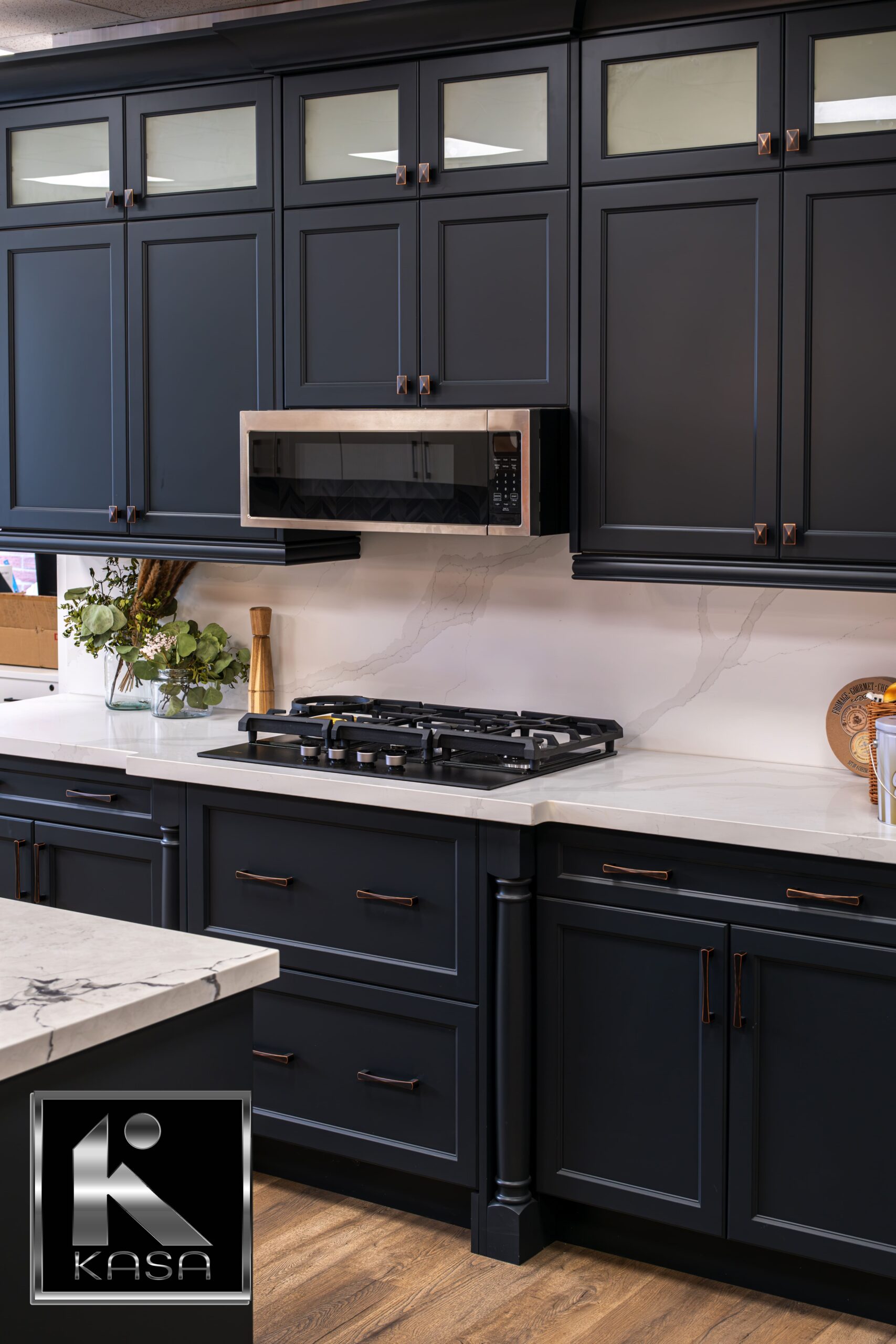
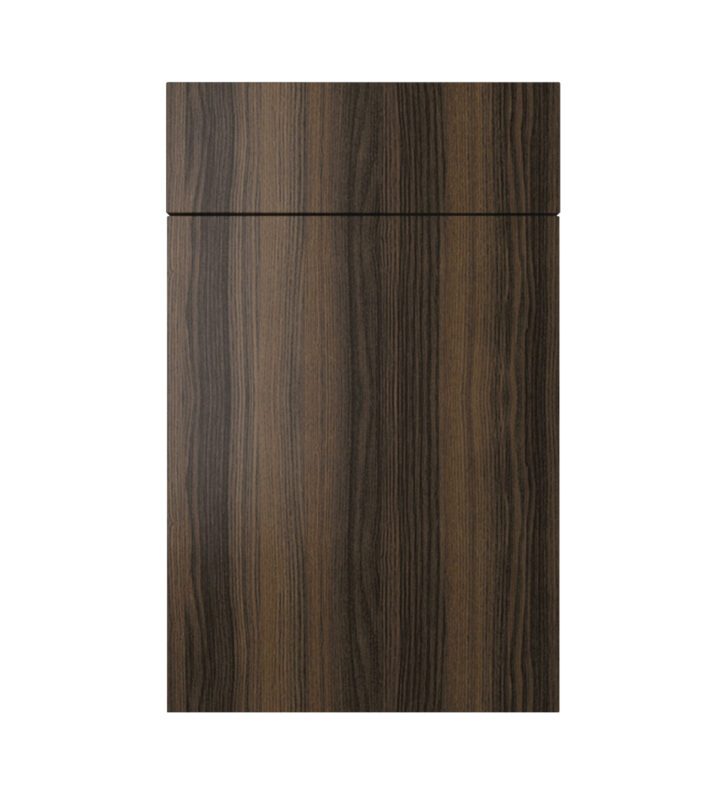
- Deep charcoal and espresso: A near black charcoal or deep espresso is a popular choice for islands and lower cabinets, often paired with a warm white or cream upper.
- Warm whites and creams: Off white and warm cream tones are replacing stark white, offering a softer backdrop that feels less clinical in Canadian light conditions, which can be quite grey for much of the year.
- Earthy terracotta tones: Terracotta, rust and warm clay shades are appearing as accent tones on islands, adding warmth without the commitment of a full dark kitchen.
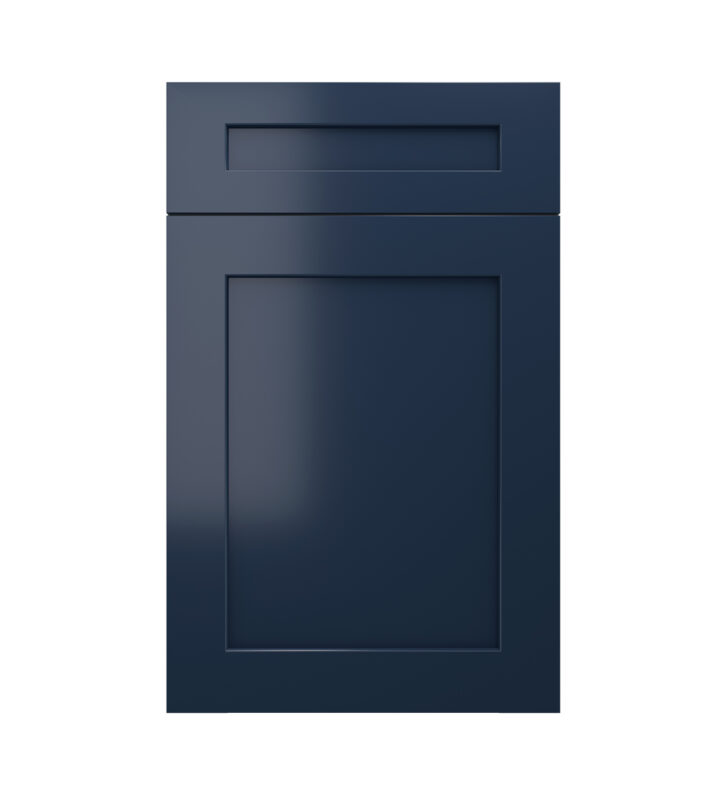
- Classic navy: Deep blue, particularly navy, continues to be a dependable, timeless choice for Canadian kitchens, offering the drama of a dark color with broad resale appeal.
A useful strategy for homeowners who want a trend forward look without the risk of it dating quickly is to apply the boldest color to a lower cost, easier to change element, such as an island or a pantry wall, while keeping the main perimeter cabinetry in a more neutral tone.
See more:
Materials and Finishes Worth Knowing About
Textured and Wood Grain Finishes
Beyond flat painted finishes, there is growing demand for cabinets that show visible wood grain or subtle texture, even in painted colors. This adds warmth and tactile interest, particularly in kitchens that otherwise lean minimalist.
Matte vs High Gloss
Matte finishes remain the dominant choice across Canada, largely because they hide fingerprints and daily wear more effectively than high gloss, an important factor for busy family kitchens. High gloss cabinets still appear in more design forward condo and downtown projects, where their reflective surface helps bounce light around smaller rooms.
RTA and Custom Hybrid Approaches
More Canadian homeowners are combining ready to assemble cabinet boxes for standard runs with custom built pieces for islands, pantry walls, or awkward layouts. This hybrid approach, which KASA Kitchens offers through its dual RTA and custom model, allows homeowners to manage cost on the bulk of the kitchen while investing in a custom detail where it has the most visual impact.
Hardware and Detailing Trends
Hardware choices have shifted noticeably. Warm brass and unlacquered brass finishes have overtaken brushed nickel as the most requested option, often mixed with matte black for contrast. Integrated or push to open cabinets, which eliminate visible pulls entirely, remain popular on slab style kitchens for a streamlined look.
Open shelving is being used more selectively than in previous years, typically as a single accent section rather than replacing upper cabinets entirely. This reflects feedback from homeowners who found fully open shelving impractical for daily use and difficult to keep tidy.
Layout and Storage Trends
Larger, Multi Function Islands
Islands continue to grow in scale and function, often incorporating seating, secondary sinks, and dedicated appliance garages. In many GTA renovations, the island has become the true centre of the kitchen, taking priority over perimeter counter space in the design process.
Furniture Style Cabinetry
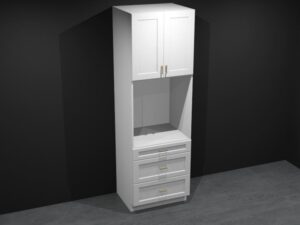
Cabinets designed to look like freestanding furniture pieces, such as a hutch style pantry or a plinth base island that appears to float, are appearing more frequently in higher end Canadian kitchens. This trend borrows from residential design more broadly, where kitchens are increasingly designed to feel like an extension of the living space rather than a purely utilitarian room.
Smart and Concealed Storage
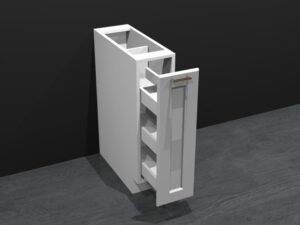
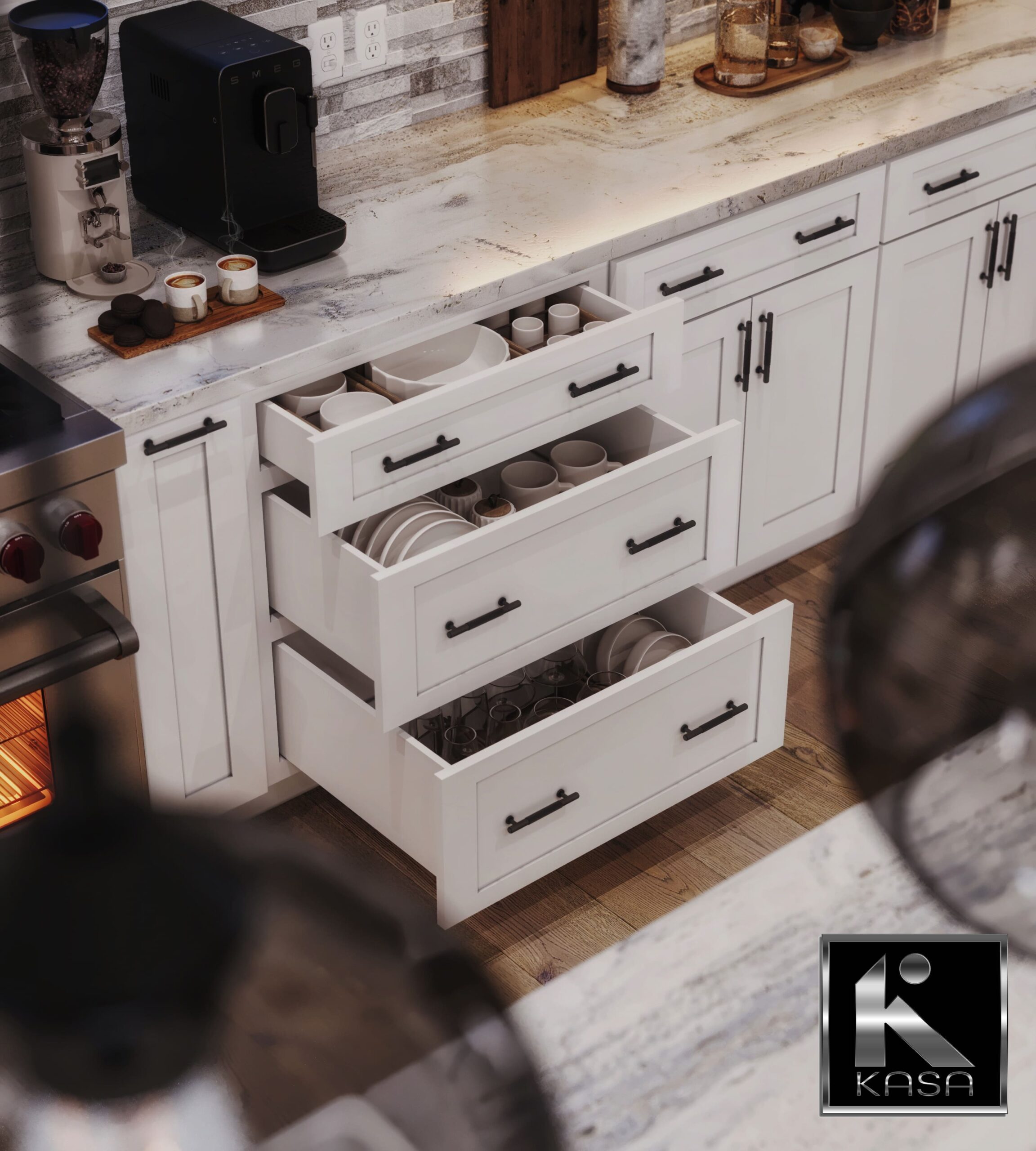
Appliance garages, pull out spice and pantry systems, and fully concealed small appliance storage continue to be requested in nearly every renovation. As kitchens open onto living and dining areas in many Canadian homes, homeowners want the option to fully close off visual clutter.
Budgeting for a Cabinet Update in Canada
Cabinet costs in Canada vary significantly based on material, construction method, and whether the project uses ready to assemble, semi custom, or fully custom cabinetry. As a general guide for the Canadian market in 2026:
- RTA cabinets: Entry level RTA cabinetry for a standard kitchen typically ranges from 8,000 to 15,000 CAD.
- Semi custom cabinets: Semi custom cabinetry generally runs from 15,000 to 30,000 CAD depending on kitchen size and finish level.
- Custom cabinetry: Fully custom cabinetry, including curved elements or furniture style detailing, typically starts around 30,000 CAD and can extend well beyond that for larger or more detailed kitchens.
These figures are general estimates for the Canadian market and will vary by region, kitchen size, and material selection. A detailed, project specific quote is always the most reliable way to plan a budget.
Choosing Trends That Will Last
Not every trend is worth chasing for a full kitchen renovation, since cabinets are a long term investment. A practical approach used by many designers is to separate trend elements into three categories: timeless choices suited to the full kitchen, such as Shaker profiles and neutral tones; medium term choices suited to a large but replaceable element, such as an island color; and short term choices best reserved for hardware, backsplash, or accessories, which are inexpensive to update later.
Working with a design and build team that understands both current trends and long term resale value in the Canadian market helps homeowners avoid overinvesting in choices that may feel dated within a few years.
Frequently Asked Questions
What kitchen cabinet color is most popular in Canada right now
Warm off white and cream tones remain the most broadly popular choice for main cabinetry, while deep charcoal, espresso, and navy are the leading choices for islands and accent cabinetry.
Are white kitchen cabinets going out of style
Stark, cool toned white is being replaced by warmer off white and cream shades, but white and near white cabinetry as a category remains a dependable, resale friendly choice across Canada.
What is the most durable cabinet material for Canadian homes
Moisture resistant engineered materials with a quality painted or laminate finish generally perform best against the humidity swings common in Canadian homes, particularly in kitchens without strong ventilation.
Should I choose custom or ready to assemble cabinets
This depends on budget, timeline, and the complexity of the kitchen layout. Many Canadian homeowners now choose a hybrid approach, using ready to assemble cabinets for standard runs and custom pieces for the island or other focal points.
Final Thoughts
Kitchen cabinet trends in Canada for 2026 point toward warmth, texture, and personalization, moving away from the stark, all white kitchens that dominated the past decade. Whether through a bold island color, a curved cabinet edge, or a mix of materials, the strongest kitchens balance current style with the practical demands of everyday Canadian life.
Choosing the right combination of style, color, and construction method is easier with an experienced design and build partner who understands both the aesthetics and the technical side of cabinetry in the Canadian market.
| Ready to Update Your Kitchen Cabinets
KASA Kitchens designs and builds custom and RTA kitchen cabinetry for homeowners across the Greater Toronto Area. From on trend colors to fully custom layouts, our team can help you plan a kitchen that fits your home and your budget. Visit kasakitchens.com to book a free design consultation. |