


Blog
Best Cabinet Styles for Condos vs. Houses: A Complete Design Guide
Apr
When it comes to kitchen design, one of the most critical decisions you’ll ever make is choosing the right cabinet style. Cabinets are not just storage solutions — they define the character of your entire kitchen, set the visual tone for your home, and dramatically affect how functional your cooking space feels day-to-day. Yet there’s a surprisingly important nuance that many homeowners overlook: the best cabinet styles for a condo are not necessarily the best cabinet styles for a house, and vice versa.
This comprehensive guide draws on real-world kitchen design experience to break down exactly which cabinet styles work best in each setting, why certain aesthetics perform better in compact urban spaces compared to sprawling suburban homes, and how you can make the smartest investment for your specific living situation. Whether you’re renovating a downtown condo or redesigning the kitchen in your family home, this article will help you navigate every decision with confidence.
1. Why Your Home Type Should Dictate Your Cabinet Style
Before diving into specific styles, it’s essential to understand why the type of dwelling you live in matters so much when it comes to cabinetry choices. The differences go beyond aesthetics — they touch on space planning, lighting, resale value, lifestyle, and budget.
Condos: Compact, Curated, and Context-Driven
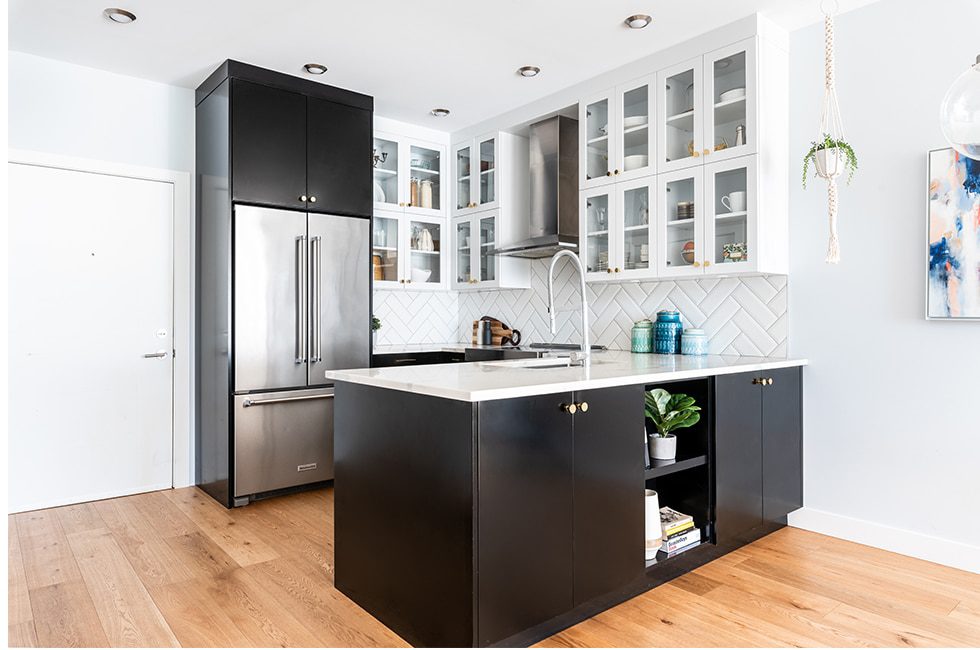
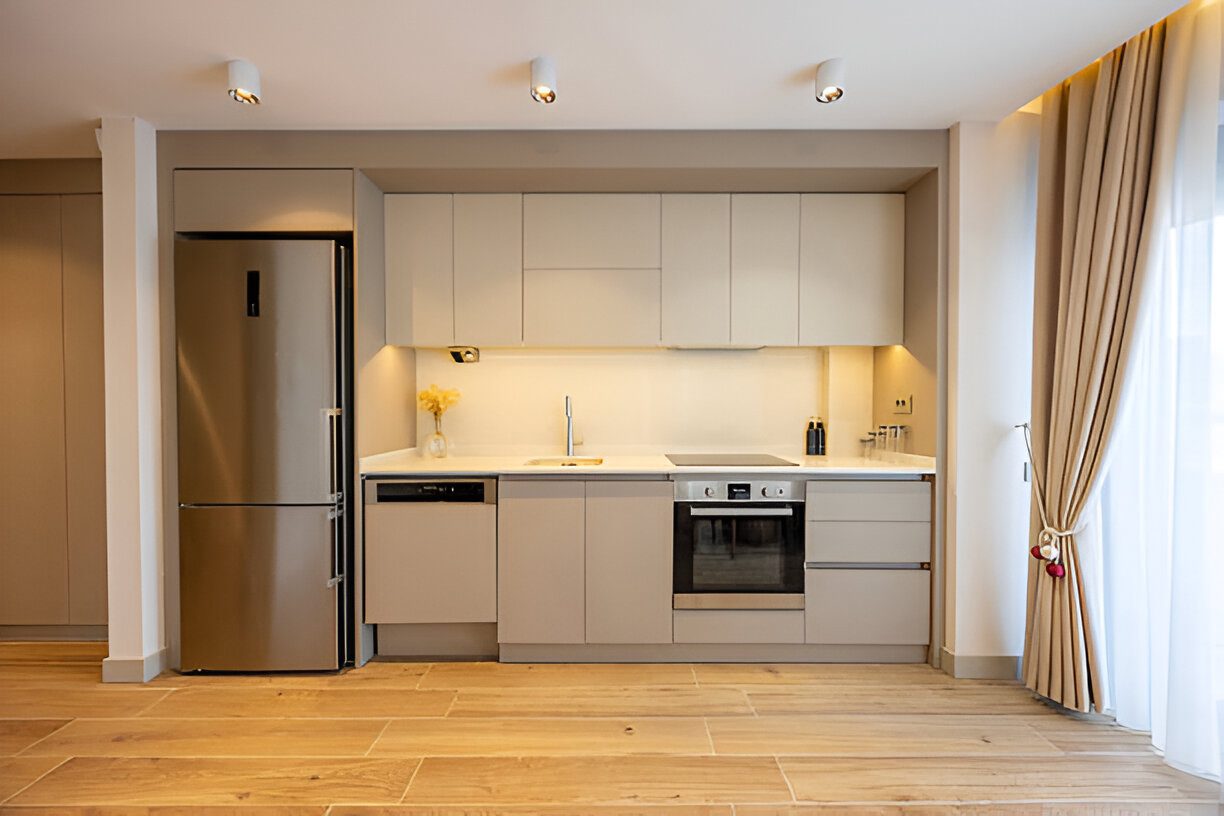
Condo kitchens are typically smaller than their house counterparts. They are often open-concept, meaning the kitchen flows directly into the living and dining areas with no walls or doors to separate them. This creates a unique challenge: every cabinet door, handle, and finish is visible from multiple vantage points in the home.
In a condo, visual continuity is paramount. Cabinets that look cluttered, dated, or overly ornate can make an open-plan space feel cramped and disjointed. Additionally, condo owners tend to be more conscious of maximizing every square inch of storage — vertical height, corner solutions, and drawer inserts become critical priorities.
Resale dynamics also differ. Condo buyers, particularly in urban markets, tend to favor sleek, contemporary finishes that look current and require minimal upkeep. A highly personalized, ornate kitchen can actually hurt resale value in a condo, whereas a clean, well-designed modern kitchen is almost universally appealing.
See More Natural Wood Kitchens
Houses: Spacious, Layered, and Lifestyle-Led
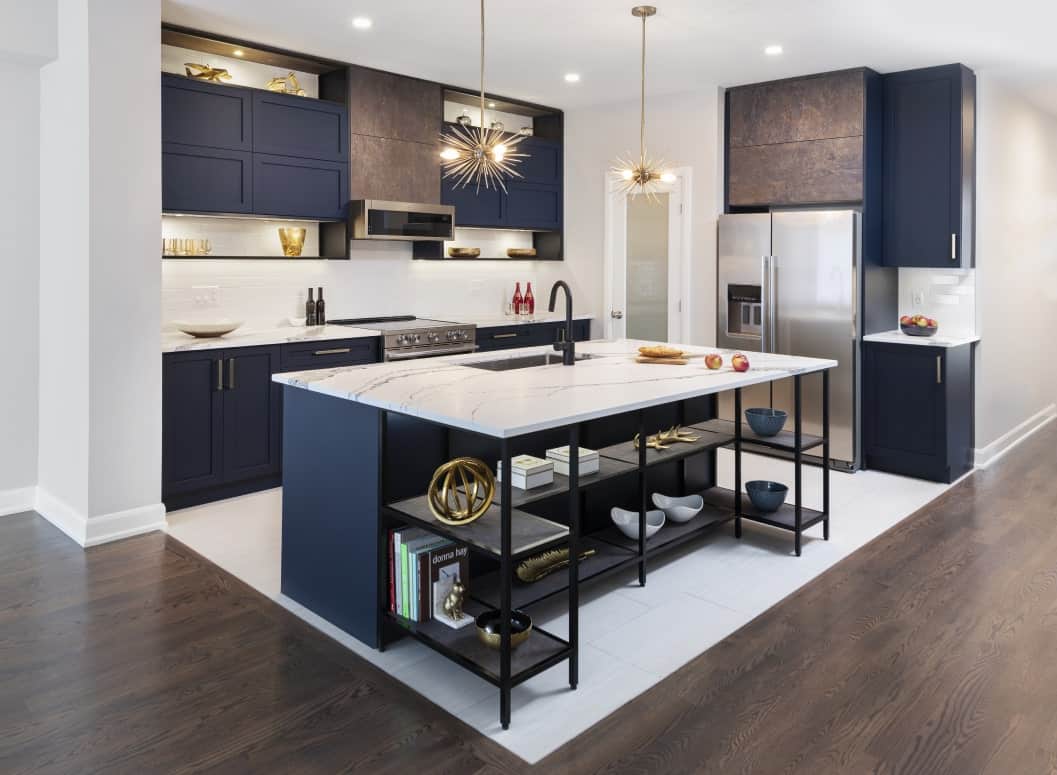
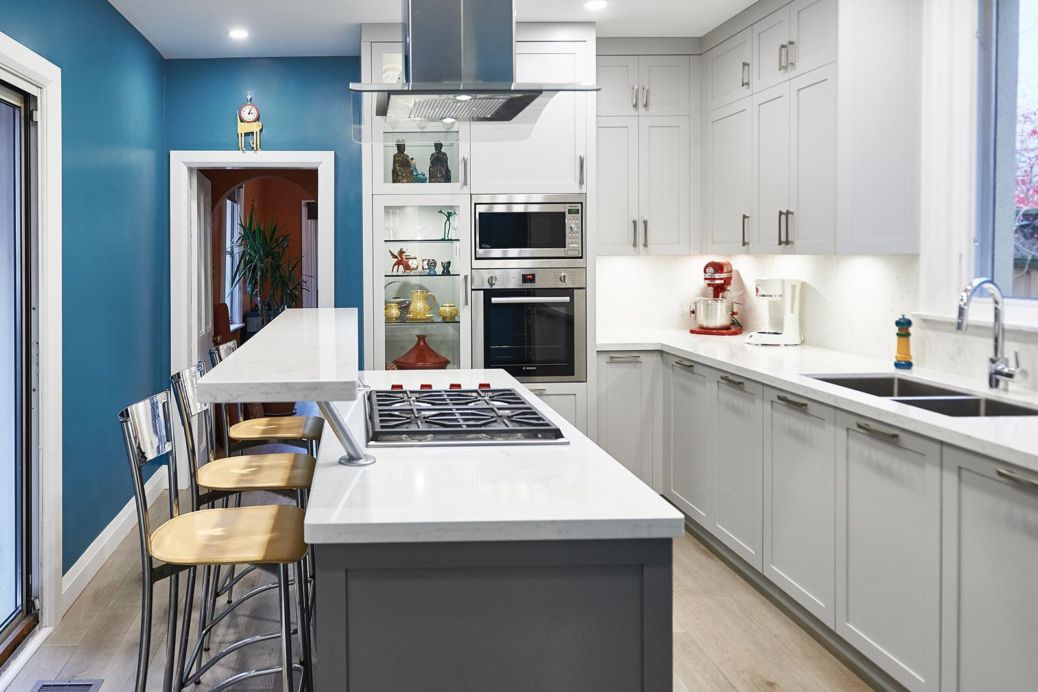
Houses — especially single-family detached homes — afford far more design freedom. Larger floor plans, dedicated kitchen spaces, higher ceilings, and separate dining rooms allow for more architectural drama and personality. In a house kitchen, cabinets can be bold, layered with details, or fitted with intricate profiles without overwhelming the room.
House kitchens are also where families tend to invest the most heavily in design quality because they spend more time there and the space typically represents a larger share of the home’s overall value. Consequently, cabinet choices in a house can be more individualized, more elaborate, and reflective of longer-term lifestyle preferences rather than purely market-driven aesthetics.
See More White Single Shaker (WSS)
2. Top Cabinet Styles for Condos
Condo kitchens call for cabinet designs that are clean, visually light, highly functional, and compatible with contemporary urban living. Here are the styles that consistently perform best in condo environments:
Flat-Front (Slab) Cabinets
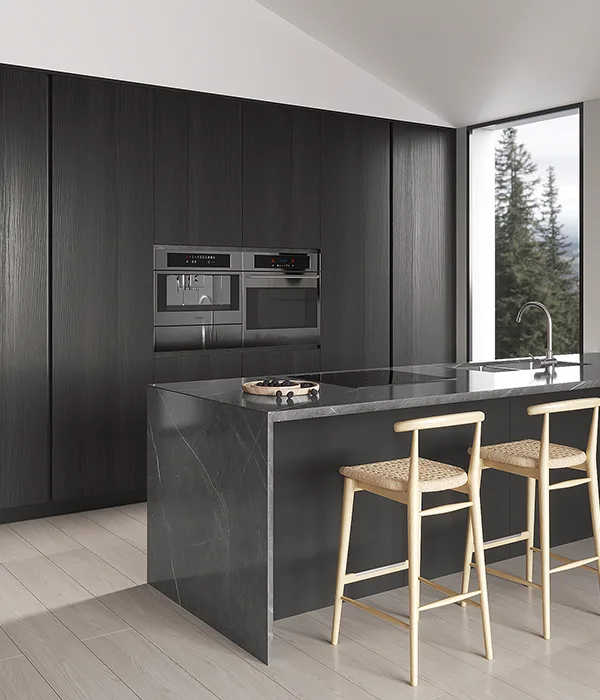
Flat-front cabinets — also known as slab-door cabinets — feature completely smooth, unadorned door faces with no insets, raised panels, or decorative molding. They are the dominant style in modern European kitchen design and have become the go-to choice for contemporary urban condos worldwide.
Why they work in condos: The absence of grooves and panels means fewer places for dust and grease to collect — a significant advantage in a compact kitchen where surfaces are used intensively. Flat fronts read as visually calm, which helps open-concept condo kitchens feel spacious and uncluttered. They also complement the sleek stainless steel appliances and polished stone countertops that are common in new condo builds.
- Best finishes: High-gloss lacquer, matte lacquer, textured melamine, real wood veneer
- Best hardware pairings: Integrated push-to-open mechanisms (no visible hardware) or thin bar pulls in brushed brass, chrome, or matte black
- Color palette: White, off-white, light grey, navy, forest green, or bold two-tone combinations
Handle-Free (Handleless) Cabinets
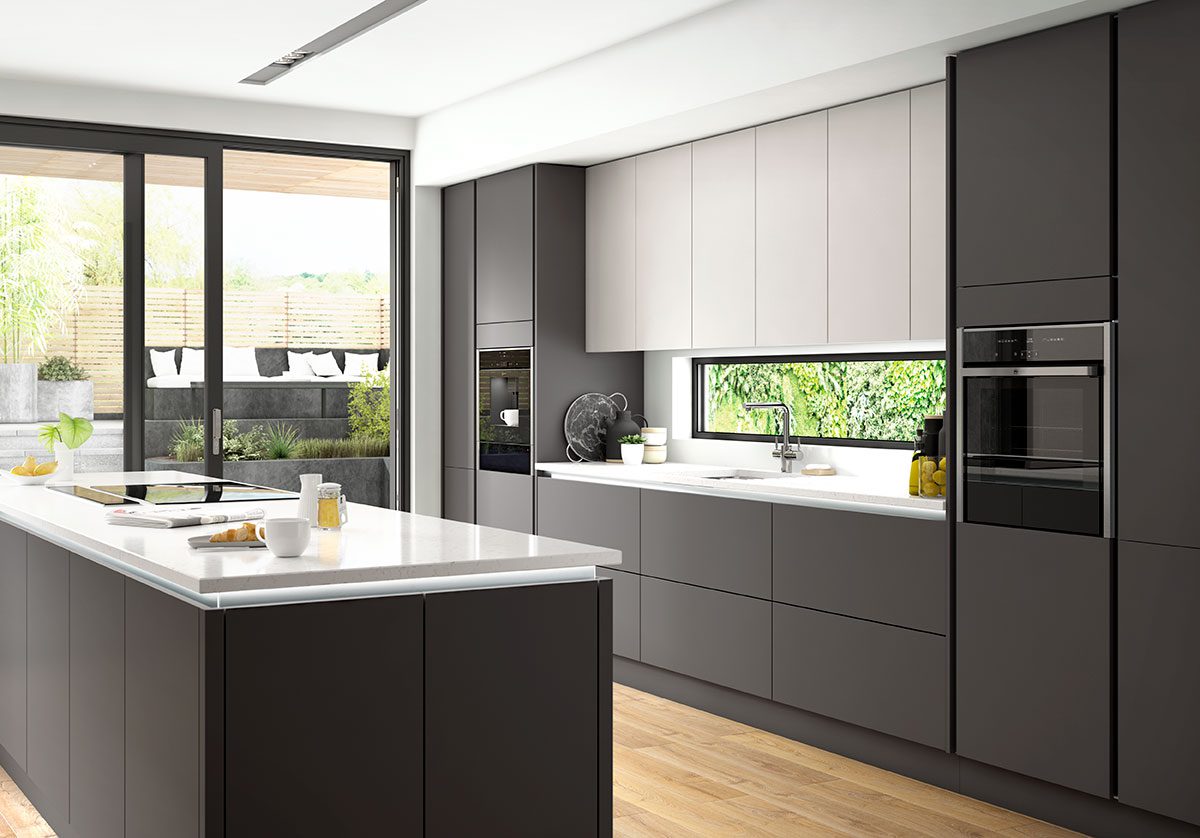
A natural evolution of the flat-front style, handleless cabinets use recessed grips or integrated rail profiles instead of protruding hardware. This streamlines the visual profile even further, creating a facade that is unbroken from end to end.
Why they work in condos: In narrow galley kitchens or compact L-shaped layouts common in condos, protruding handles can cause bruised hips and reduced walkway clearance. Handleless systems eliminate this problem while adding a high-end, architectural quality to the kitchen. They also photograph exceptionally well — an increasingly important consideration for condo owners who intend to list on short-term rental platforms.
High-Gloss Lacquer Cabinets
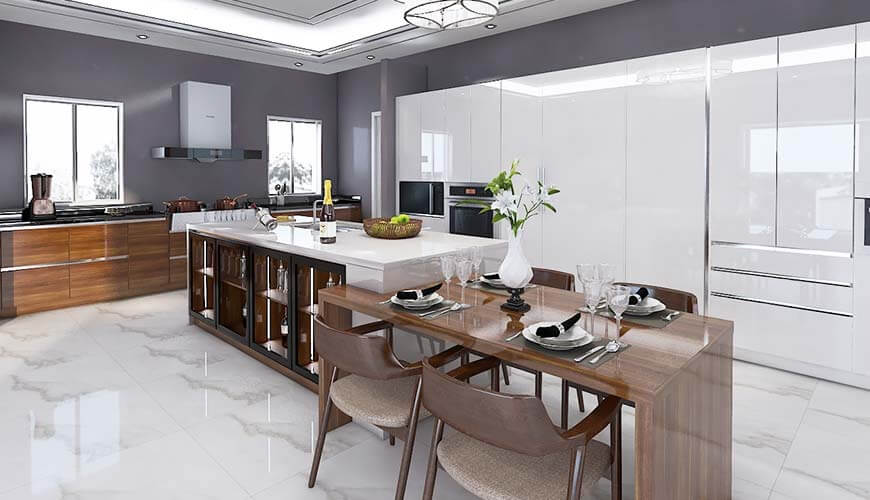
High-gloss cabinetry reflects light, which is a premium feature in condos where natural light is often limited. A glossy white or cream kitchen can make a small, dark condo kitchen feel dramatically brighter and larger.
Why they work in condos: Beyond light reflection, high-gloss surfaces wipe clean very easily — a practical advantage in an intensively used kitchen. The finish also signals quality and modernity, which supports condo resale values. However, high-gloss cabinets do show fingerprints more readily, so they pair best with integrated handles or handleless systems.
Two-Tone Cabinetry (Upper/Lower Contrast)
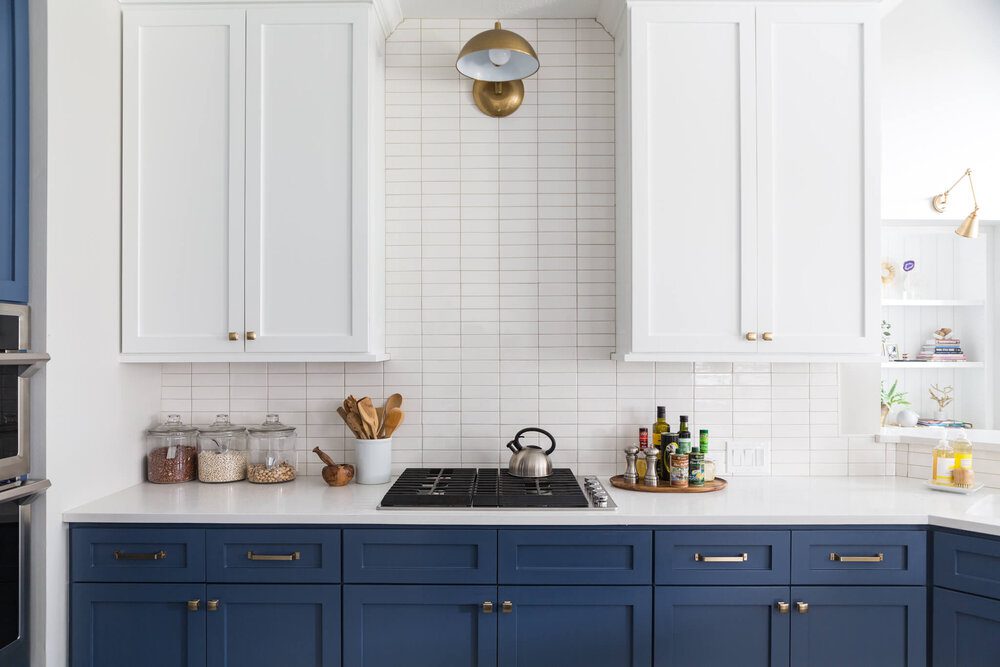
Two-tone kitchen designs use one color or finish for upper cabinets and a contrasting color or finish for lower cabinets. This is a sophisticated approach that adds visual interest without cluttering the space.
Why they work in condos: Using a lighter color on upper cabinets and a deeper tone on lower cabinets creates an illusion of visual spaciousness — the lighter top half pushes the eye upward and makes ceilings feel higher. Popular combinations include white uppers with charcoal or navy lowers, or natural wood lowers with painted white uppers.
| Style | Best For | Key Benefit | Watch Out For |
| Flat-Front Slab | Modern condos | Clean, uncluttered look | Can feel cold without texture |
| Handleless | Small or galley kitchens | Maximizes walkway space | Requires precise installation |
| High-Gloss Lacquer | Dark or low-light condos | Reflects light, easy to clean | Shows fingerprints |
| Two-Tone | Open-plan condos | Adds depth without clutter | Requires balanced color selection |
View Full Kitchen Cabinet Collection
3. Top Cabinet Styles for Houses
House kitchens offer more room to express personality, embrace tradition, or create a showpiece cooking environment. The following cabinet styles shine in house settings where there is space, height, and architectural context to support them:
Shaker Cabinets
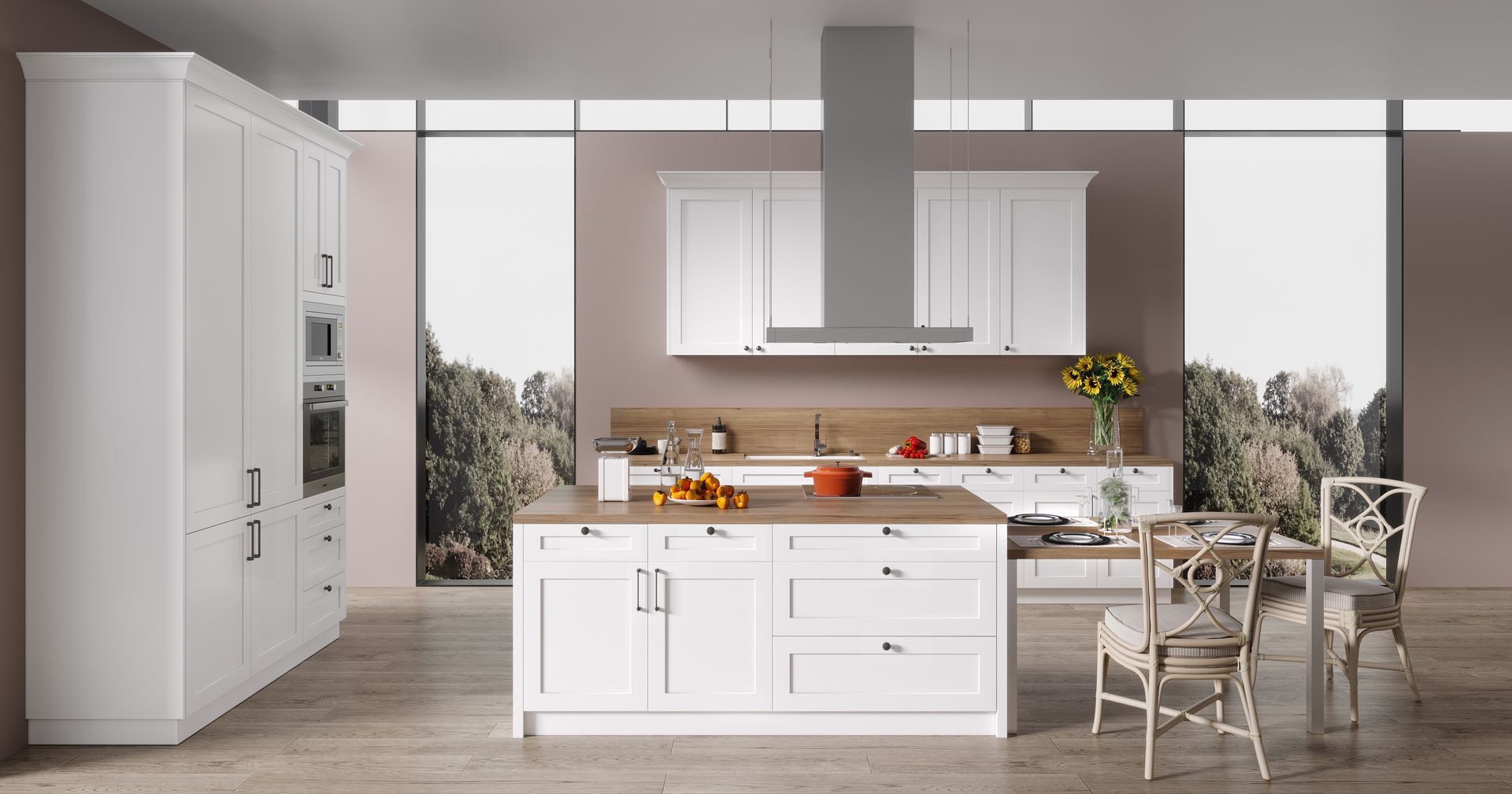
Shaker-style cabinets are arguably the most beloved and enduring cabinet design in North American kitchen history. Defined by their five-piece door construction — a flat center panel framed by four rails — Shaker cabinets strike an ideal balance between simplicity and craftsmanship.
Why they work in houses: Shaker cabinets are extraordinarily versatile. They work equally well in a farmhouse kitchen, a transitional suburban kitchen, and even a semi-modern family kitchen. Their clean lines prevent them from looking dated, while their slightly textured profiles add warmth and dimension that flat-front cabinets lack. In a house with crown molding, coffered ceilings, or architectural details, Shaker cabinets integrate naturally into the aesthetic language of the home.
- Best finishes: Painted white, painted grey, painted sage, natural maple, painted navy
- Best hardware pairings: Cup pulls, bin pulls, simple bar pulls, ceramic knobs
- Suits: Traditional, transitional, farmhouse, coastal, craftsman architectural styles
See More White Slim Shaker Kitchens
Raised Panel Cabinets
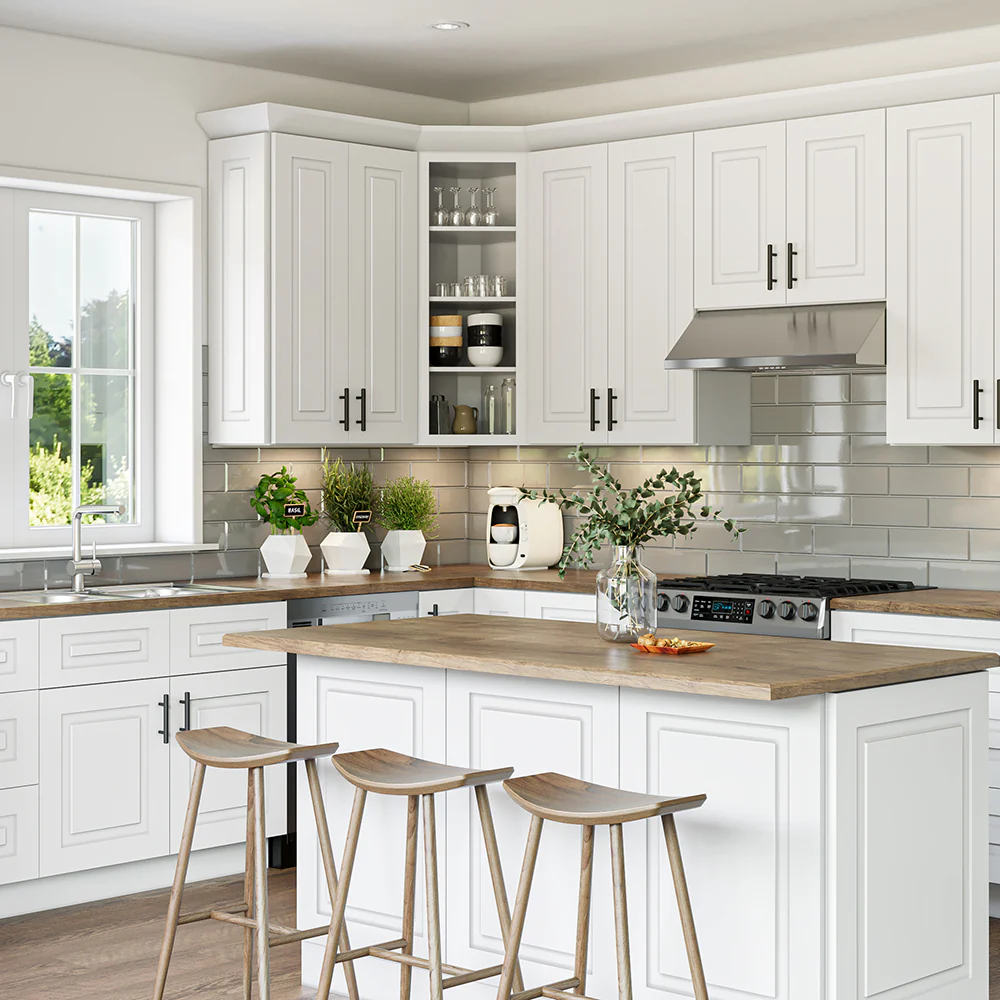
Raised panel cabinets feature a center panel that is elevated above the surrounding frame, creating a three-dimensional, sculptural quality. They are the hallmark of traditional kitchen design and are heavily associated with formal, high-end domestic architecture.
Why they work in houses: In large house kitchens with 9-foot or 10-foot ceilings, raised panel cabinets add the kind of architectural gravitas that rewards the scale of the space. They pair beautifully with crown molding, decorative valances, and traditional hardware in polished brass or oil-rubbed bronze. In a house designed in a colonial, Georgian, or traditional American style, raised panel cabinets are often the expected and correct choice.
Inset Cabinets
Inset cabinets are constructed so that the cabinet door sits flush inside the cabinet frame rather than overlapping it. This creates a furniture-like appearance with precise reveals between each door and drawer.
Why they work in houses: Inset cabinetry is a hallmark of the finest American kitchen design — associated with custom cabinet makers, high-end renovations, and homes of significant architectural character. Because inset doors require extremely precise construction tolerances, they are generally more expensive than overlay cabinets. However, in a house where the kitchen is meant to serve as a showpiece, inset cabinets deliver a level of craftsmanship and detail that is unmistakable.
Beadboard Cabinets
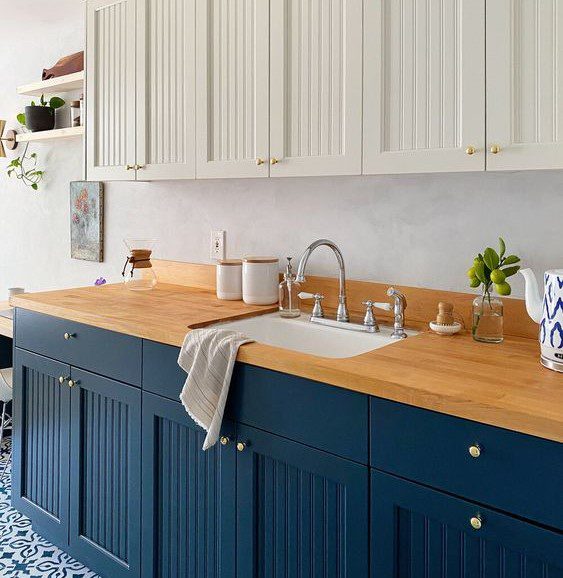
Beadboard cabinets feature vertical groove detailing on the door panel, reminiscent of traditional wainscoting used in farmhouse and cottage architecture. They add texture, nostalgia, and a relaxed, cozy quality to a kitchen.
Why they work in houses: Beadboard is particularly well-suited to country cottages, lake houses, beach homes, and any residential kitchen aiming for a warm, unpretentious aesthetic. In houses where the design brief calls for lived-in charm rather than sleek perfection, beadboard cabinets deliver character in abundance. They pair beautifully with open shelving, farmhouse sinks, and natural stone countertops.
Glass-Front Cabinets
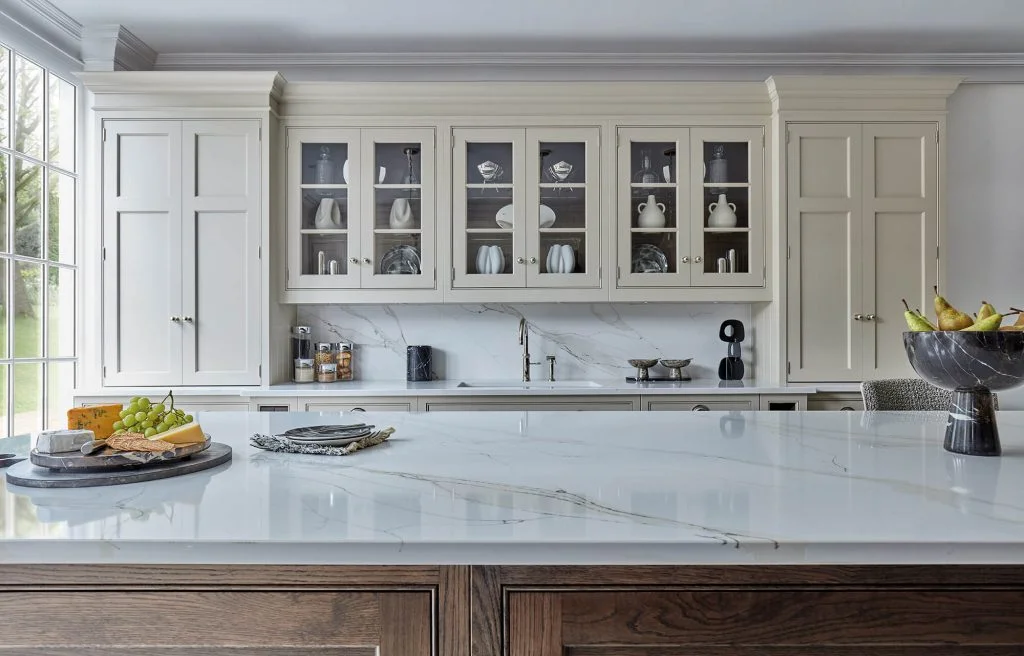
Glass-front cabinets incorporate transparent or textured glass panels in some or all upper cabinet doors, allowing the contents — curated dishware, glassware, or decorative objects — to become part of the kitchen’s visual composition.
Why they work in houses: In a house kitchen with generous square footage, glass-front cabinets add an elegant layer of visual depth. They break up the monotony of solid cabinet runs, create opportunities for ambient interior cabinet lighting, and invite the personality of the homeowner to shine through their curated collections. They are a staple in transitional, traditional, and high-end contemporary house kitchens alike.
| Style | Architectural Match | Key Benefit | Best Ceiling Height |
| Shaker | Transitional / Farmhouse / Coastal | Timeless versatility | 8 ft and above |
| Raised Panel | Traditional / Colonial / Formal | Architectural gravitas | 9 ft and above |
| Inset | Custom / High-end / Craftsman | Furniture-quality finish | 9 ft and above |
| Beadboard | Farmhouse / Cottage / Country | Warmth and texture | 8 ft and above |
| Glass-Front | Transitional / Traditional / Modern | Visual depth, display value | Any height |
See More: Top 99+ Most Beautiful and Modern Kitchen Cabinet Designs
4. Material Considerations: Condo vs. House
Beyond door style, the materials used to construct and finish your cabinets should be selected with your living context in mind.
For Condos: Prioritize Durability and Moisture Resistance
Condo kitchens often experience higher humidity from smaller spaces, intensive cooking in limited square footage, and proximity to plumbing stacks. Additionally, condo kitchens must often withstand more wear and tear relative to their size because storage space is precious and every cabinet gets used constantly.
- Thermofoil and melamine: Highly resistant to moisture, easy to clean, affordable, and available in a wide range of contemporary finishes. Ideal for high-use condo environments.
- MDF with painted finish: Provides an ultra-smooth surface for painted cabinets with no wood grain telegraphing through. Superior for flat-front styles where surface perfection is the goal.
- Plywood carcasses: Always choose plywood (not particleboard) for the cabinet boxes in a condo. Plywood holds screws better, resists moisture more effectively, and provides superior long-term structural integrity.
For Houses: Embrace Natural Materials and Longevity
House kitchens typically have more room to breathe and more design longevity built into the project timeline. Homeowners in houses often plan to stay for a decade or more, making it worthwhile to invest in materials that age gracefully.
- Solid wood: Cherry, maple, oak, walnut, and white oak are all superb choices for house cabinets. They can be refinished over time, develop a natural patina, and carry inherent warmth that no synthetic material can fully replicate.
- Wood veneer on plywood: Delivers the look and warmth of solid wood at a lower material cost and with greater dimensional stability (solid wood moves with humidity; veneer on plywood does not).
- Painted maple or poplar: The standard for high-quality painted cabinets in house kitchens. Provides a consistent, grain-free surface that accepts paint beautifully and holds up well over years of use.
5. Color Strategy: Getting It Right for Your Space
Color is one of the most powerful tools in kitchen design — and one of the most commonly misunderstood. The right color strategy for a condo kitchen differs meaningfully from what works in a house kitchen.
Condo Color Strategy
In a condo, the kitchen is almost always visible from the living area. This means color choices must harmonize with the full open-plan palette — not just look good in isolation. The most effective condo cabinet color strategies include:
- White or off-white: The safe, universally effective choice. Makes the space feel clean, bright, and spacious. Works with virtually every countertop and flooring combination.
- Light greige or warm grey: A more sophisticated alternative to pure white that adds warmth without visual weight.
- Deep accent lowers: Navy, forest green, or charcoal on lower cabinets, paired with white or light grey uppers, creates a high-design two-tone scheme that photographs beautifully and appeals to buyers.
- Avoid: Highly saturated colors (terracotta, deep red, mustard) that create visual tension with adjacent living spaces. These can work in houses with closed kitchens but typically feel overwhelming in open-plan condos.
House Color Strategy
House kitchens allow for bolder, more personal color choices. The closed or semi-closed nature of most house kitchen layouts means color decisions are evaluated on their own terms, not in constant competition with adjacent spaces.
- Classic white: Timeless and always appropriate, especially for Shaker and raised panel cabinets.
- Warm neutrals: Creamy whites, warm taupes, and greige tones suit transitional house kitchens beautifully and pair well with natural stone and wood accents.
- Statement colors: Deep blues, rich greens, and even black are increasingly popular for house island cabinets or lower perimeter cabinets. In a house with sufficient square footage, these bold choices add drama and personality.
- Natural wood: Unpainted wood — whether blonde maple, warm cherry, or deep walnut — is a timeless choice for house kitchens that want to feel warm, organic, and connected to nature.
6. Layout Optimization: Making the Most of Your Space
The best cabinet style in the world can be undermined by a poorly thought-out layout. Understanding the layout principles that apply to condos versus houses will help you make smarter decisions about how your cabinets are configured, not just how they look.
Condo Layout Strategies
- Go vertical: If your condo has 9-foot ceilings, run cabinets to the ceiling. This provides significantly more storage and eliminates the visual dead zone above standard-height upper cabinets.
- Integrated appliances: Concealing the refrigerator, dishwasher, and even microwave behind cabinet panel overlays creates a seamless, furniture-like kitchen facade that is highly desirable in condos.
- Deep upper cabinets: Standard upper cabinets are 12 inches deep, but specifying 15-inch-deep upper cabinets provides 25% more storage volume — a meaningful upgrade in a space-constrained condo kitchen.
- Pull-out pantry systems: Tall, pull-out pantry towers make use of the full height of the cabinet while keeping every shelf fully accessible — eliminating the frustration of reaching to the back of deep shelves.
- Under-cabinet space: Don’t waste the space under the kitchen peninsula or island. Deep drawers, pull-out bins, and open display cubbies all contribute to a condo kitchen that is beautifully organized.
House Layout Strategies
- Kitchen island: If space permits, a central island with its own distinct cabinet style (or finish) is one of the most impactful investments in a house kitchen. It adds prep surface, seating, storage, and visual interest.
- Mixed storage formats: Houses benefit from a mix of upper cabinets, open shelving, glass-front display cabinets, and deep pantry storage. Variety adds interest and accommodates different categories of items efficiently.
- Dedicated appliance zones: In a larger house kitchen, designating specific zones for coffee, baking, or small appliances — each with their own dedicated cabinetry — creates a highly organized, efficient cooking environment.
- Furniture-style accents: Incorporating furniture-style pieces — a hutch, a freestanding pantry, or an unfitted kitchen dresser — adds warmth and personality to a house kitchen that benefits from the extra visual layering.
See More: How to Choose the Right Kitchen Cabinets for Canadian Kitchens
7. Budgeting for Cabinet Upgrades: Condos vs. Houses
Budget allocation strategies should differ depending on whether you are upgrading a condo or house kitchen. Here is how to think about where your money will have the greatest impact:
Condo Budget Priorities
In a condo kitchen renovation, a larger proportion of your budget should go toward high-visibility surfaces and smart organizational features. Because condo kitchens are smaller, the per-unit cost of premium materials and finishes is generally lower than in a house — making it more feasible to invest in quality.
- Spend more on: Cabinet door material and finish quality (this is what everyone sees), integrated organizational inserts, soft-close hardware on all drawers and doors, and precise installation.
- Save on: Interior cabinet box material (plywood is sufficient; there’s no need for solid wood box construction in a condo), elaborate decorative moldings (they can overwhelm a small space), and custom-built free-standing furniture pieces.
House Budget Priorities
In a house kitchen, the budget should scale with the size and long-term use of the space. Investing in quality materials, custom sizing, and architectural details pays dividends in both daily enjoyment and long-term resale value.
- Spend more on: Custom sizing to maximize the layout’s specific dimensions, inset or semi-custom cabinet construction, hardware quality (real metal pulls and hinges outperform cheap alternatives over time), and finish quality on high-touch surfaces.
- Save on: The same cabinets can often be achieved for significantly less by choosing semi-custom over fully custom options, especially in areas of the kitchen that are less visible.
8. Quick Reference: At-a-Glance Comparison
| Factor | Best for Condos | Best for Houses |
| Door Style | Flat-front, handleless, two-tone | Shaker, raised panel, inset, beadboard |
| Material | MDF, thermofoil, veneer on plywood | Solid wood, painted maple, wood veneer |
| Color | White, light grey, deep accent lowers | Classic white, warm neutrals, bold accents |
| Hardware | Integrated/handleless, slim bar pulls | Cup pulls, bin pulls, ceramic knobs |
| Layout Focus | Vertical storage, integrated appliances | Island, mixed formats, appliance zones |
| Budget Focus | Door finish, organizational inserts | Custom sizing, construction quality |
| Resale Appeal | Contemporary, neutral finishes | Versatile quality finishes |
9. Conclusion: Matching Cabinet Style to Your Living Context
Choosing the best cabinet style is never just about aesthetics — it is about understanding your space, your lifestyle, and the unique constraints and opportunities that your specific home type presents. Condo kitchens demand clean, space-conscious designs that create visual harmony in open-plan environments and maximize function in compact layouts. House kitchens invite more personality, more architectural layering, and more commitment to materials and details that will be lived with for years to come.
The good news is that there has never been a better time to invest in quality cabinetry. The range of styles, materials, finishes, and organizational systems available to today’s homeowner is extraordinary — and the right design partner can help you navigate every decision with clarity and confidence, whether you are renovating a downtown studio or transforming the heart of your family home.
Whatever your setting, the most important principle is this: choose cabinets that are designed for your life, not just photographed for someone else’s.
| READY TO TRANSFORM YOUR KITCHEN?
Custom cabinet design for condos & homes — built around your space, style, and life. Contact KASA Kitchens today for a FREE Design Consultation |
