


Blog
Light vs Dark Cabinets – Which Makes Your Kitchen Look Bigger?
Mar
When designing a kitchen—especially in condos, apartments, or compact homes—one question comes up again and again: Should you choose light or dark cabinets to make the space feel larger?
The answer isn’t just about color preference. It’s about how light, perception, and layout work together to visually expand (or shrink) your kitchen.
Light Cabinets – The Go-To Choice for a Spacious Feel
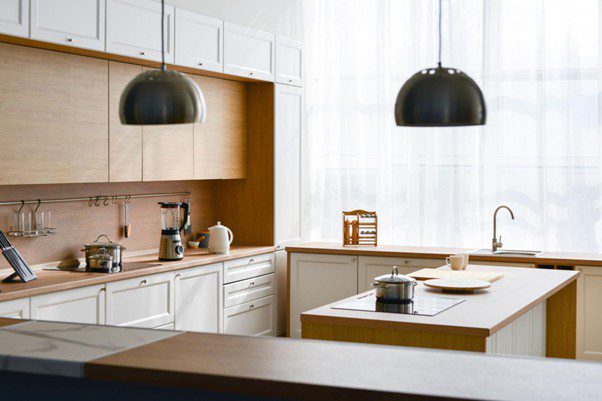
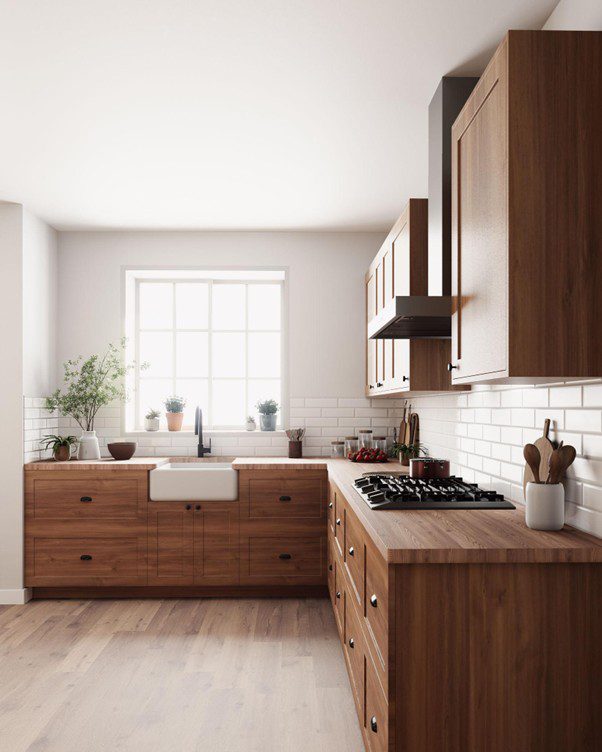
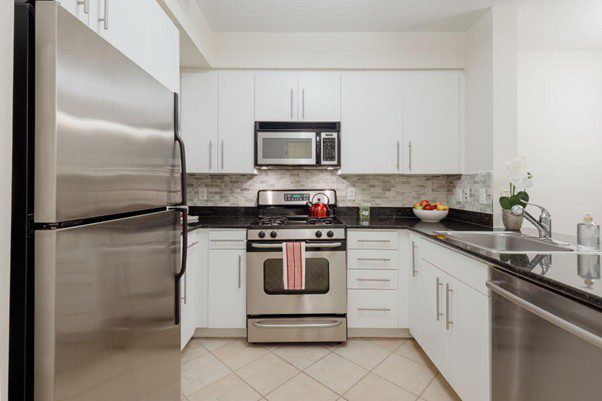
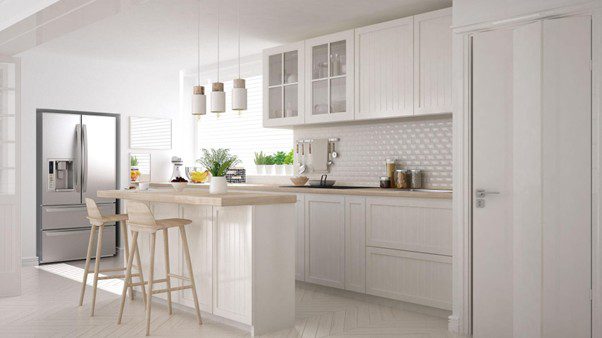
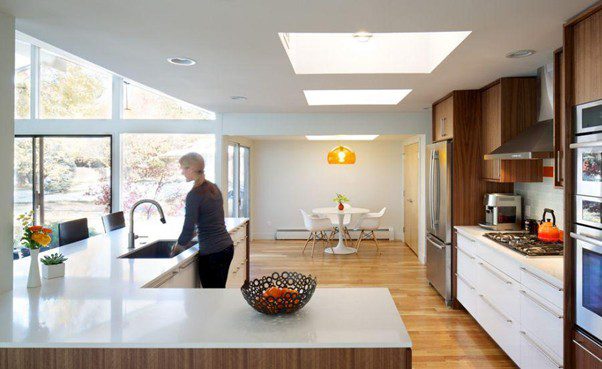
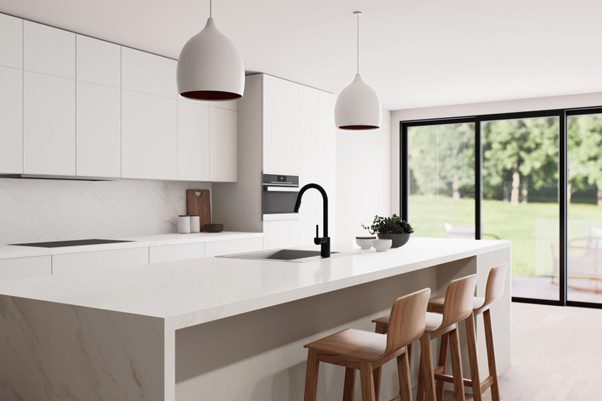
Light-colored cabinets—like white, cream, beige, or soft gray—are the most effective way to make a kitchen look bigger.
Why light cabinets work:
- Reflect natural and artificial light → makes the room brighter
- Reduce visual boundaries → walls and cabinets blend together
- Create an airy, open atmosphere → especially in small kitchens
- Make ceilings feel higher when paired with light walls
Best situations to use light cabinets:
- Small kitchens or studio apartments
- Kitchens with limited natural light
- Narrow or galley-style layouts
- Rental units where universal appeal matters
If your goal is purely “make my kitchen look bigger”, light cabinets are the safest and most effective choice.
See More: Top 99+ Most Beautiful and Modern Kitchen Cabinet Designs
Dark Cabinets – Stylish but Space-Heavy
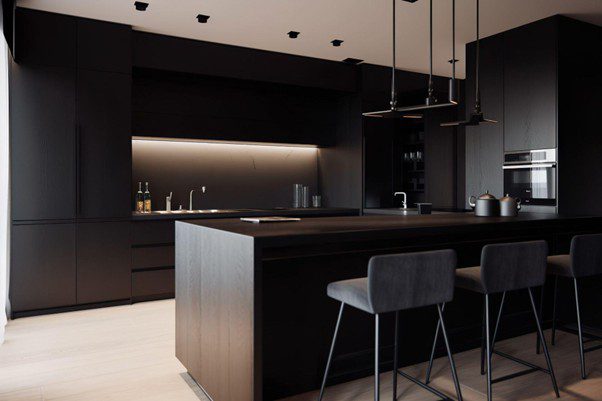
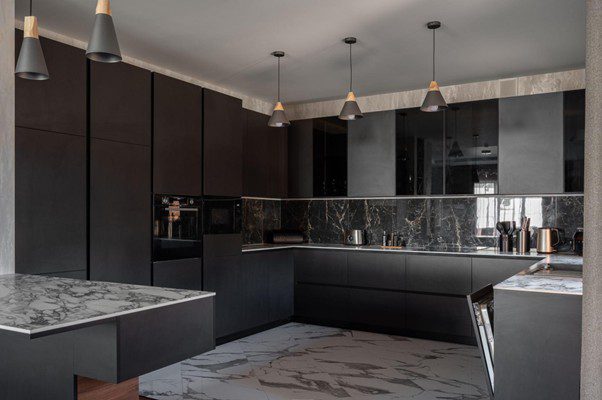
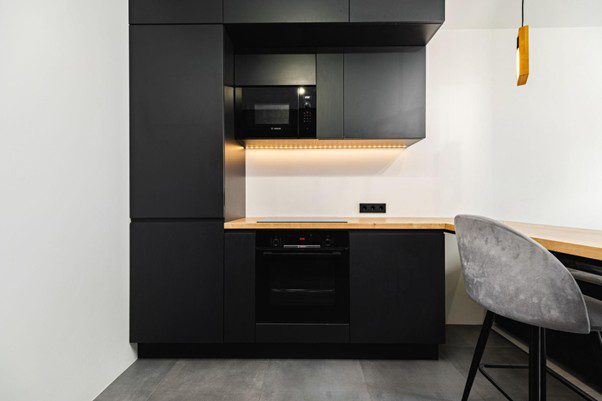
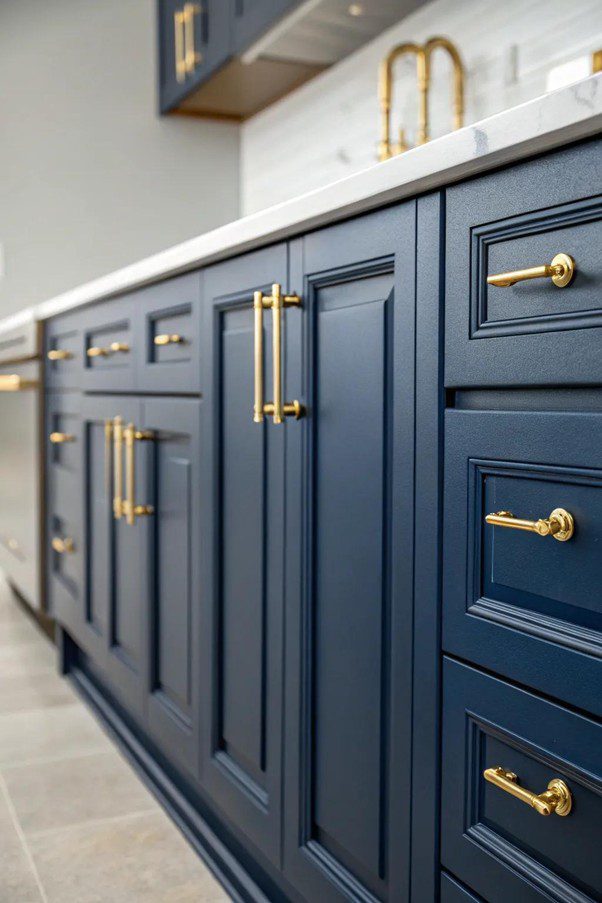
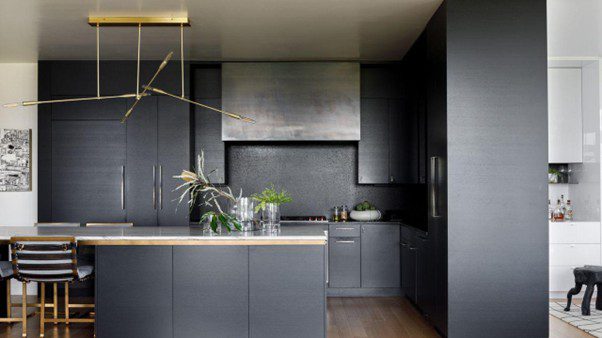
Dark cabinets—like black, navy, espresso, or deep gray—bring elegance and contrast, but they can visually shrink a space if not used carefully.
Why dark cabinets can make a kitchen feel smaller:
- Absorb light instead of reflecting it
- Create strong visual contrast → defines edges and reduces openness
- Feel heavier and more enclosed
When dark cabinets can still work:
- Large kitchens with plenty of natural light
- Open-concept layouts
- When balanced with light countertops, backsplash, or walls
- If you want a luxury, high-end aesthetic
Dark cabinets don’t automatically make a kitchen look small—but they require good lighting and smart design.
See More: How to Choose the Right Kitchen Cabinets for Canadian Kitchens
Light vs Dark Cabinets – Quick Comparison
| Factor | Light Cabinets | Dark Cabinets |
| Make space look bigger | Excellent | Limited |
| Brightness | High | Low |
| Maintenance (visible stains) | Medium | High (dust shows) |
| Style | Clean, modern, Scandinavian | Luxurious, bold, dramatic |
| Best for small kitchens | Yes | Only with good lighting |
Pro Design Tips to Maximize Kitchen Space
Beyond cabinet color, there are several design strategies that can significantly influence how spacious your kitchen feels. These are practical, widely used techniques in interior design that help “trick the eye” into perceiving more space without changing the actual layout.
1. Combine Light and Dark Cabinets (Two-Tone Design)
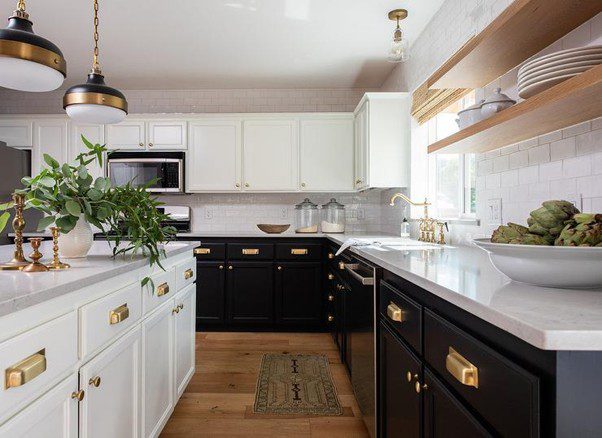
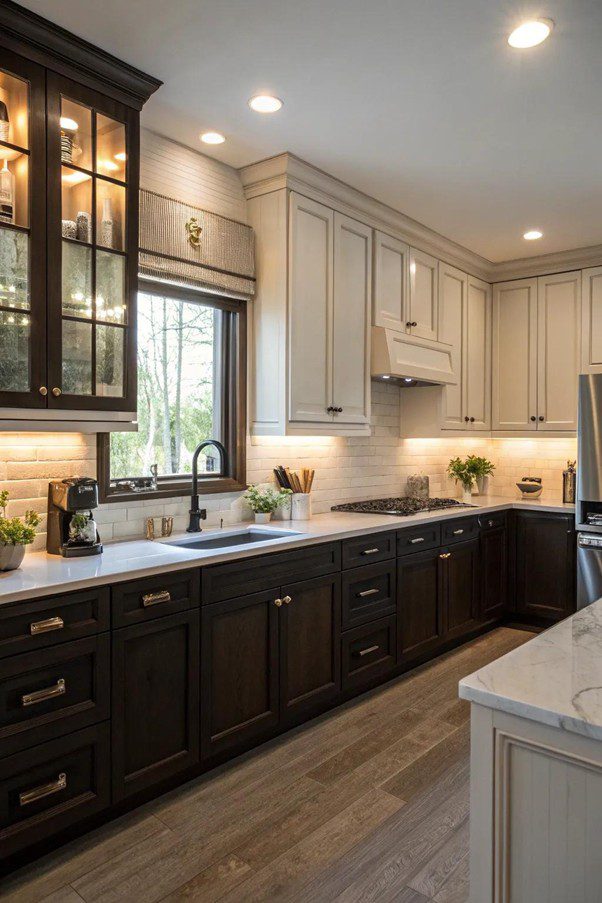
A two-tone cabinet approach is one of the most effective ways to balance spaciousness and visual depth.
- Use light colors for upper cabinets to keep the upper half of the kitchen airy and open
- Use darker tones for lower cabinets to ground the design and add contrast
This combination works because it keeps visual weight lower in the room, preventing the kitchen from feeling top-heavy or enclosed. At the same time, it introduces enough contrast to avoid a flat or overly plain appearance.
This is especially useful in modern kitchens where homeowners want both aesthetics and functionality.
2. Use Glossy or Semi-Gloss Finishes
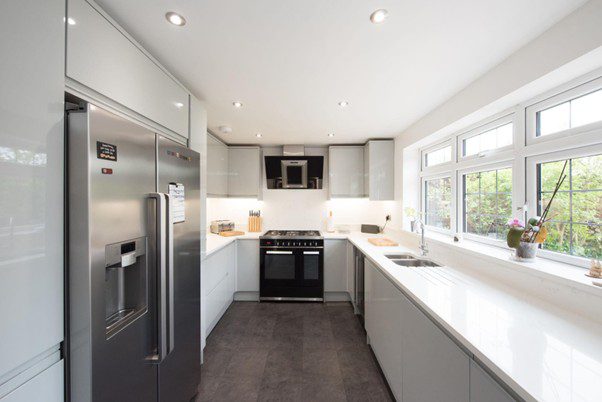
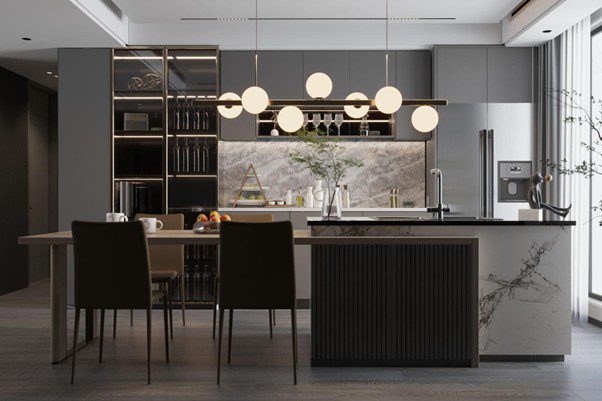
The finish of your cabinets can impact spatial perception just as much as the color.
- Glossy and semi-gloss finishes reflect light more effectively than matte surfaces
- Reflections create a subtle “mirror effect,” helping the kitchen feel brighter and more expansive
In smaller kitchens, this added reflectivity can make a noticeable difference, particularly when paired with good lighting. However, it’s important to balance this with practicality, as high-gloss surfaces may show fingerprints more easily.
3. Add Under-Cabinet Lighting
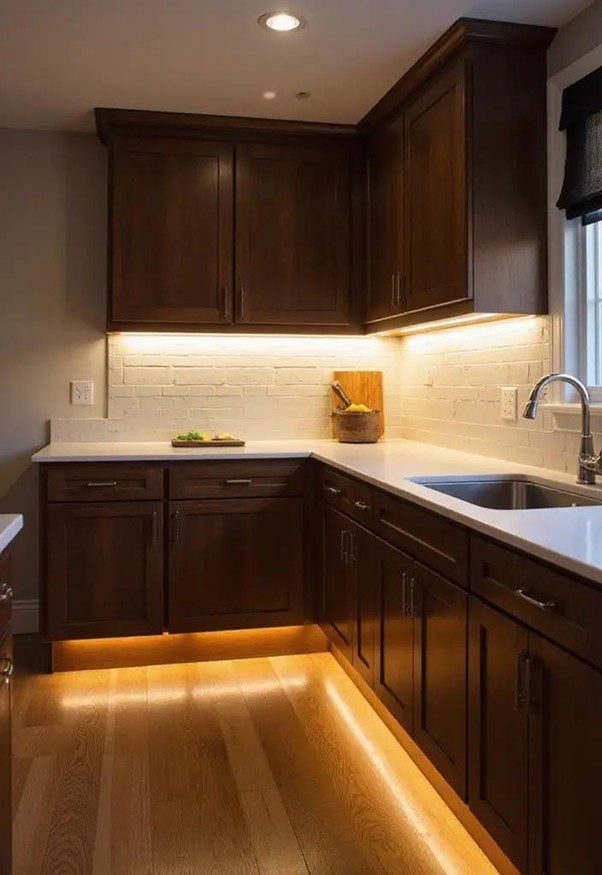
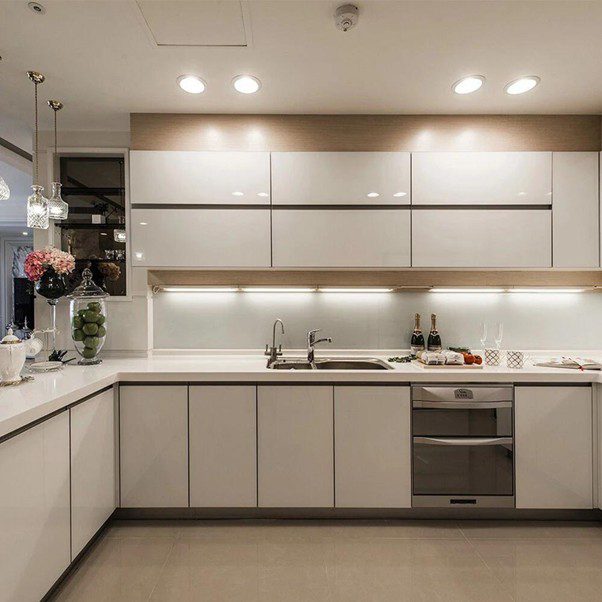
Lighting plays a crucial role in shaping how space is perceived.
- Under-cabinet lighting eliminates dark shadows along countertops
- It visually separates surfaces, making the kitchen feel more layered and open
- It enhances both functionality and aesthetics
Even a simple LED strip can dramatically improve the overall brightness and spatial clarity of your kitchen, especially in areas that don’t receive direct light.
See More: What Are the Best Kitchen Cabinet Materials for Basement Kitchens in Canada?
4. Choose Handle-less or Slim Hardware
Hardware may seem like a small detail, but it has a strong visual impact.
- Handle-less cabinets or push-to-open systems create a seamless surface
- Slim, minimal handles reduce visual clutter
- Clean lines make the kitchen appear more organized and less crowded
In compact kitchens, reducing unnecessary details helps maintain a streamlined and spacious look.
See More: Solid Wood vs. Plywood: Which Is Better for Your Kitchen Cabinets?
5. Match Cabinet Color with Wall Color
Color contrast defines boundaries, and too much contrast can make a space feel smaller.
- Matching cabinet and wall colors reduces visual breaks
- Creates a continuous, flowing appearance
- Helps the kitchen feel larger and more cohesive
This technique is often used in minimalist and contemporary designs where the goal is to create a calm, uninterrupted visual experience.
See More: How to Upgrade Your Kitchen Without Overspending
Final Verdict: Which Cabinet Color Makes Your Kitchen Look Bigger?
When it comes to maximizing the perception of space, light-colored cabinets remain the most effective solution.
If your priority is to create a kitchen that feels:
- More spacious
- Brighter and more inviting
- Open and uncluttered
Then light cabinets are the most reliable choice.
However, this doesn’t mean dark cabinets should be avoided entirely. They can still be a strong design element when used thoughtfully. By combining them with proper lighting, lighter surfaces, or a two-tone approach, you can achieve a space that feels both elegant and visually balanced.
In the end, the best kitchen design is not just about choosing light or dark—it’s about how well all elements work together to enhance space, light, and functionality.
Looking to Transform Your Kitchen?
If you’re planning to upgrade your kitchen and want expert guidance on choosing the right cabinet colors, layouts, and finishes, Kasa Kitchens can help you create a space that feels bigger, brighter, and perfectly tailored to your lifestyle.
Get in touch today to explore custom kitchen solutions designed for both style and functionality.
