


Blog
Top 99+ Most Beautiful and Modern Kitchen Cabinet Designs
Dec
Kitchen cabinets are no longer just storage units. They are the centerpiece of modern home design, combining aesthetics, functionality, durability, and smart technology. Whether you are renovating a home, building a new kitchen, or sourcing cabinets for clients, choosing the right kitchen cabinet design is one of the most important decisions you’ll make.
This comprehensive guide explores 99+ modern kitchen cabinet designs, the latest trends, materials, finishes, layouts, and expert insights to help you make informed choices that elevate both style and performance.
Why Kitchen Cabinet Design Matters
Modern homeowners demand more from their kitchens than ever before. A well-designed kitchen cabinet system can:
- Maximize storage efficiency
- Improve daily workflow
- Increase property value
- Reflect personal style
- Enhance long-term durability
Kitchen cabinets are designed to balance minimalism, sustainability, and intelligent design.
1. Modern Kitchen Cabinet Design Trends
1.2 Natural Wood & Organic Textures
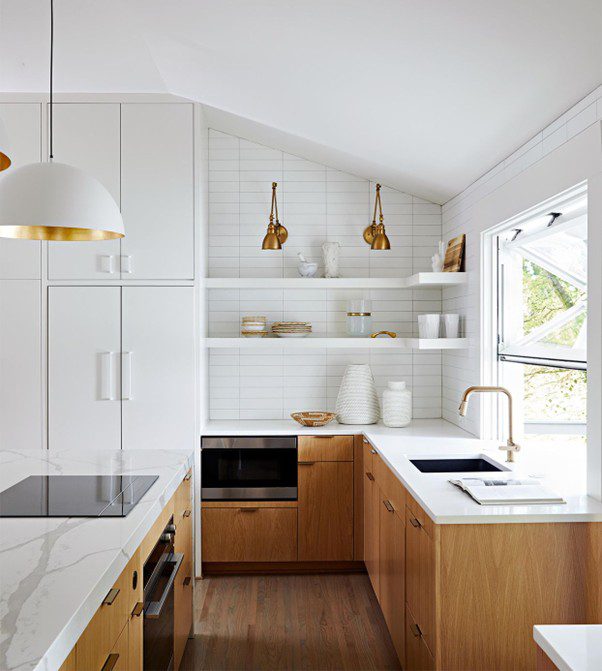

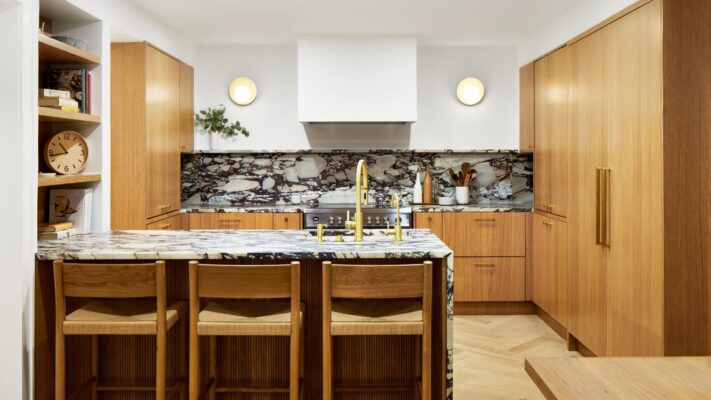
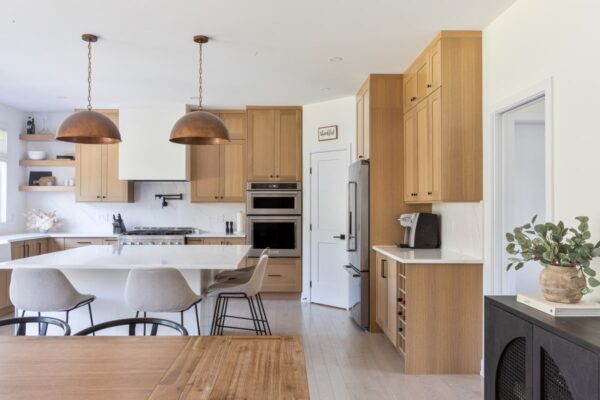
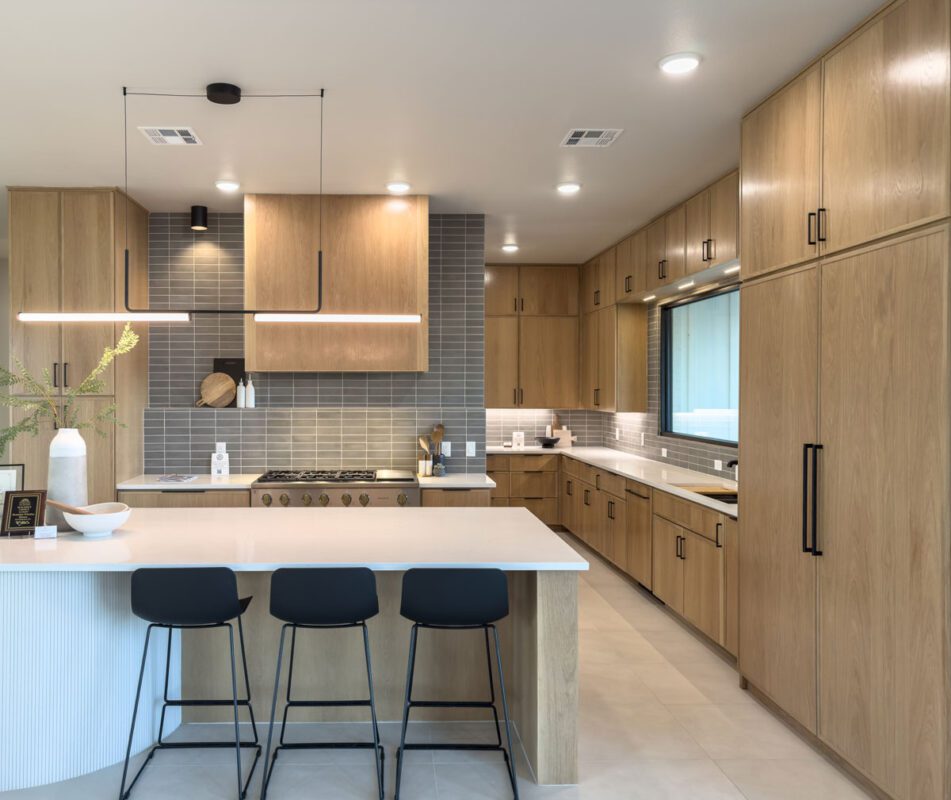
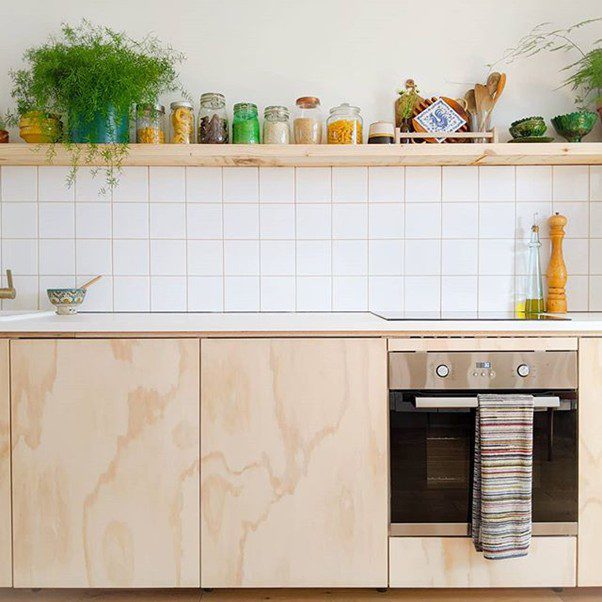
Natural wood kitchen cabinets are experiencing a strong revival as homeowners seek warmth, authenticity, and a connection to nature. Unlike traditional heavy wood kitchens, modern designs focus on clean lines, refined grains, and subtle textures.
Trending wood options include:
- Oak for its durability and visible grain pattern
- Walnut for its rich tone and luxurious appearance
- Ash for its lighter color and modern character
Modern finishing techniques such as matte lacquers, smoked stains, and UV-protected coatings enhance the natural beauty of wood while improving resistance to moisture, heat, and fading.
Benefits of organic textures in kitchen cabinetry:
- Creates a welcoming, timeless atmosphere
- Pairs well with stone, quartz, and concrete countertops
- Adds depth without relying on bold colors
Natural wood cabinets are ideal for Scandinavian, Japandi, and modern organic kitchen designs.
1.2 Minimalist & Handleless Kitchen Cabinets
 ‘
‘ 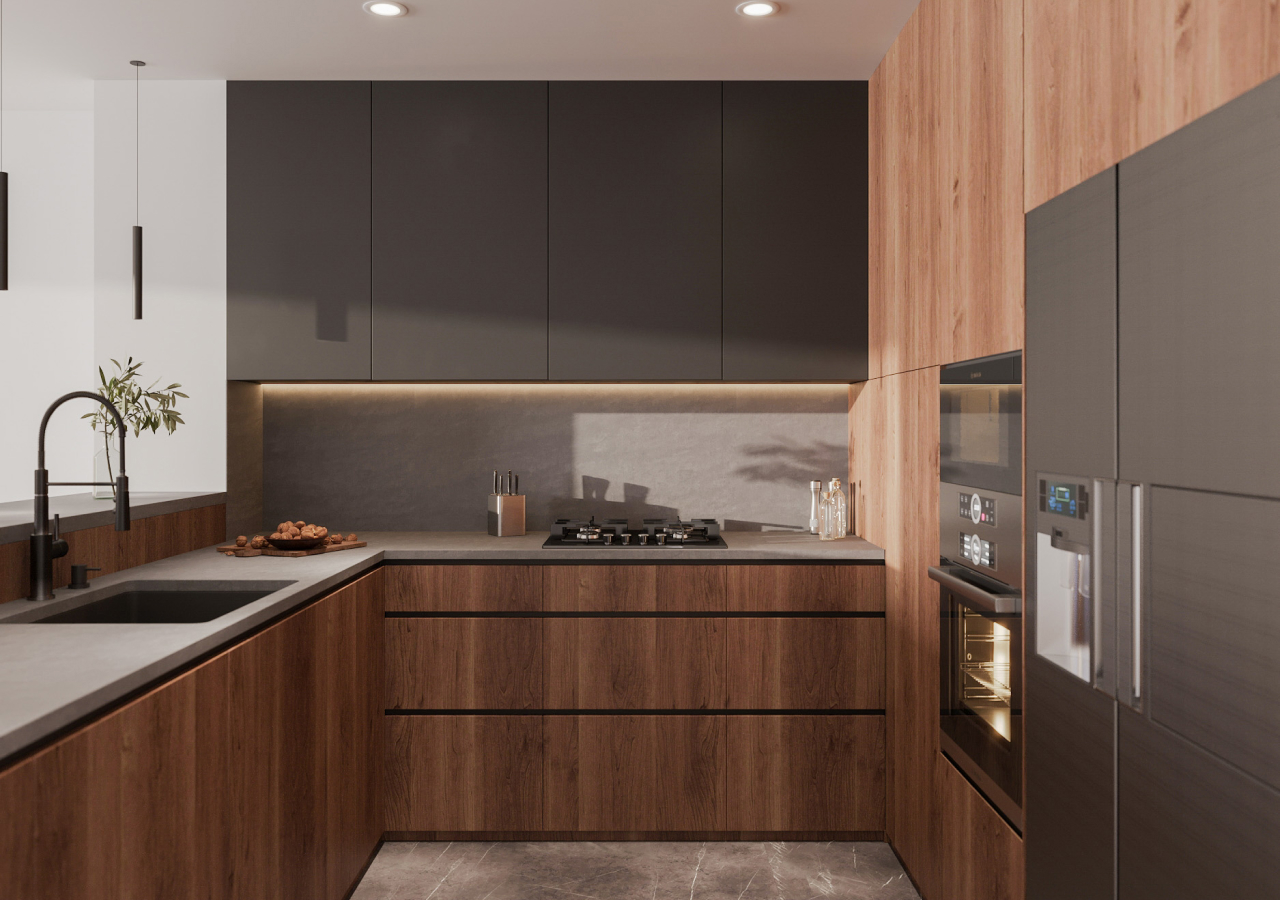
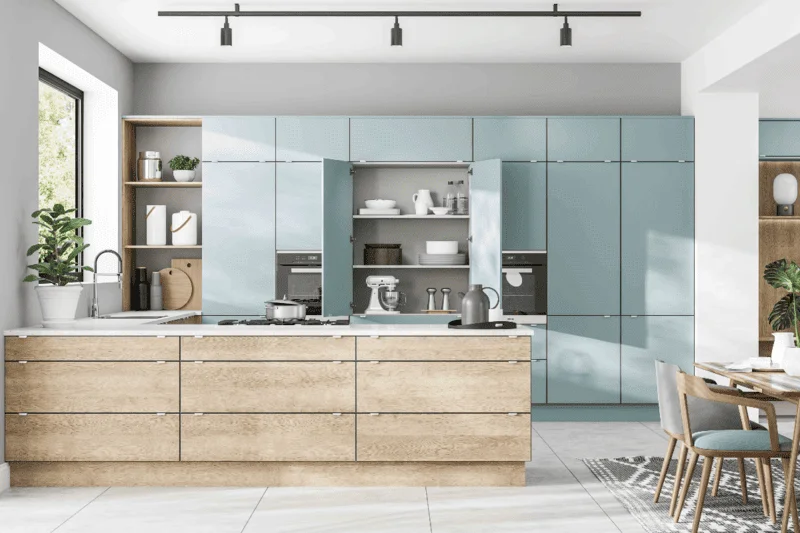
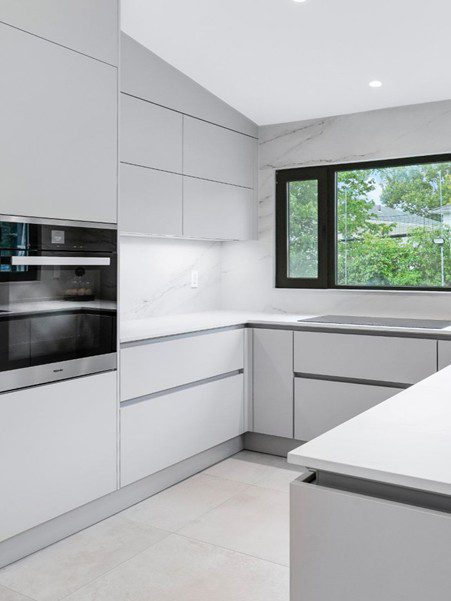
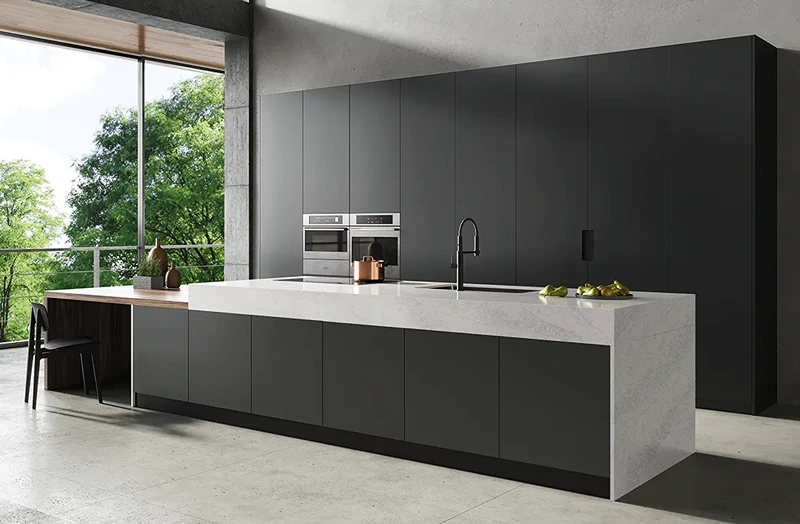
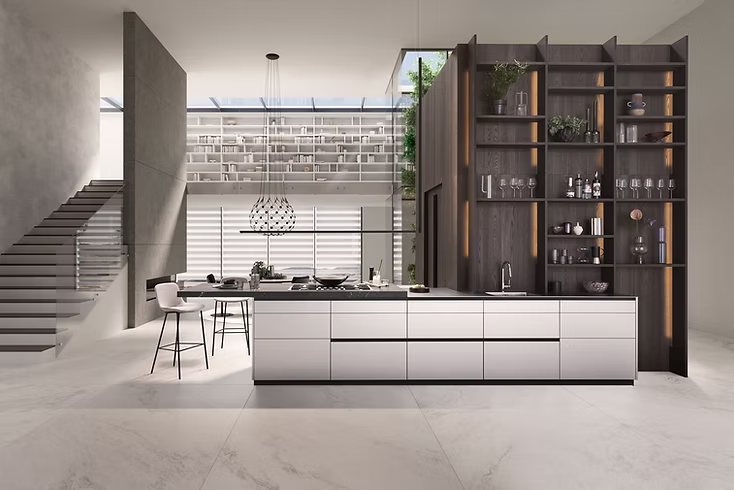 Minimalist kitchen cabinets continue to dominate modern kitchen design, driven by the demand for clean aesthetics, visual continuity, and ease of maintenance. Handleless cabinets eliminate visual clutter by removing traditional knobs and pulls, allowing the cabinetry to blend seamlessly into the overall kitchen architecture.
Modern handleless systems include:
- Integrated finger pull channels (J-pull or C-channel profiles)
- Push-to-open mechanisms using advanced soft-touch hardware
- Recessed aluminum profiles for durability and modern appeal
Beyond aesthetics, handleless cabinets offer practical benefits:
- Easier cleaning with fewer dust-collecting elements
- Improved safety in tight kitchen spaces
- Enhanced minimalist and contemporary design language
These cabinets are especially popular in European-style kitchens, open-concept homes, and luxury condos, where simplicity and elegance are key priorities.
1.3 Two-Tone Kitchen Cabinet Designs
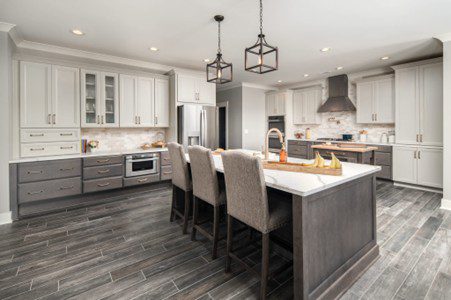

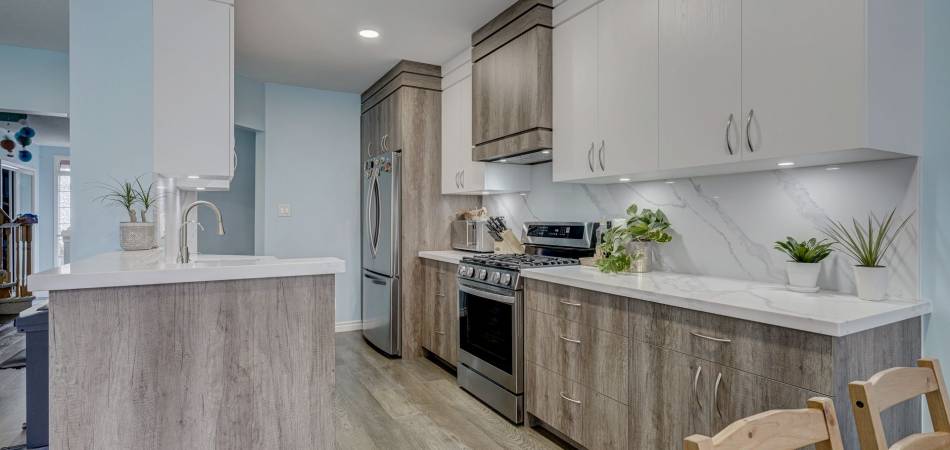

Two-tone kitchen cabinets are a strategic design choice that adds depth, contrast, and visual hierarchy to modern kitchens without overwhelming the space. This design approach allows homeowners to break away from monochromatic kitchens while maintaining balance and harmony.
Popular two-tone combinations include:
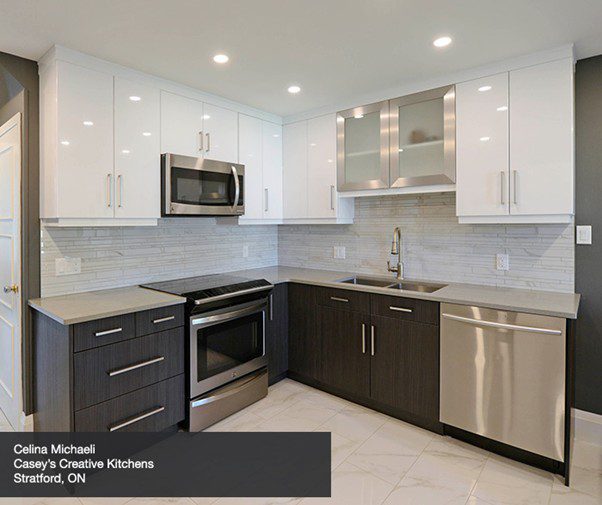
- White or light gray upper cabinets paired with natural wood or darker base cabinets
- Neutral perimeter cabinets with a bold-colored kitchen island
- Matte finishes combined with high-gloss accents for subtle contrast
Design advantages of two-tone cabinets:
- Makes small kitchens feel more open and airy
- Highlights focal points such as islands or feature walls
- Allows flexibility when updating styles in the future
This trend works exceptionally well in modern, transitional, and contemporary kitchens, offering both visual interest and timeless appeal.
View Full Kitchen Cabinet Collection
2. Popular Kitchen Cabinet Styles
2.1 Flat Panel (Slab) Kitchen Cabinets
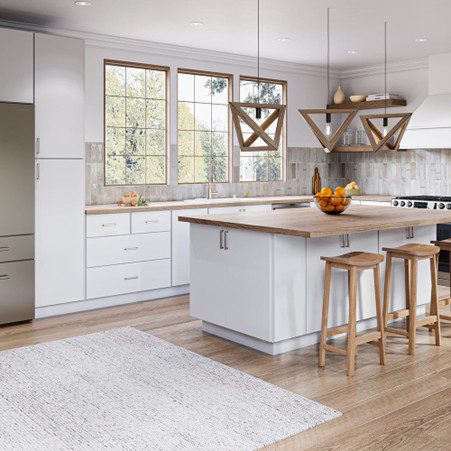
Flat panel kitchen cabinets, also known as slab cabinets, are the most popular cabinet style in modern kitchen design. Defined by their smooth, unadorned surfaces and straight edges, flat panel cabinets deliver a clean and contemporary appearance that aligns perfectly with today’s architectural trends.
Key characteristics of flat panel cabinets:
- Flat, solid doors with no raised or recessed panels
- Minimal seams and consistent surface finish
- Ideal compatibility with handleless or integrated pull systems
Advantages of flat panel kitchen cabinets:
- Visually enlarges small kitchens by reducing visual clutter
- Easy to clean and maintain due to smooth surfaces
- Works well with high-gloss, super-matte, and wood veneer finishes
Flat panel cabinets are especially popular in urban homes, condominiums, and open-concept kitchens, where modern simplicity and functionality are essential.
2.2 Contemporary Luxury Kitchen Cabinets
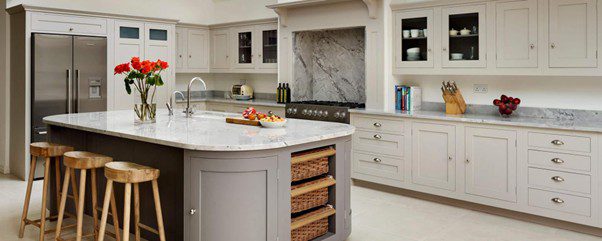 Contemporary luxury kitchen cabinets represent the highest level of customization, craftsmanship, and design sophistication. These cabinets combine premium materials, innovative finishes, and advanced functionality to create truly distinctive kitchens.
Common design elements include:
- Metal accents such as aluminum, brass, or stainless steel
- Glass-front cabinets with integrated LED lighting
- Custom color palettes and exclusive surface finishes
Luxury cabinet benefits:
- Fully tailored to the homeowner’s space and lifestyle
- Superior durability and high-end aesthetic appeal
- Strong impact on property value and visual identity
Contemporary luxury cabinets are often featured in custom homes, upscale condos, and premium residential projects, where design excellence and performance are equally important.
2.3 European-Style Kitchen Cabinets
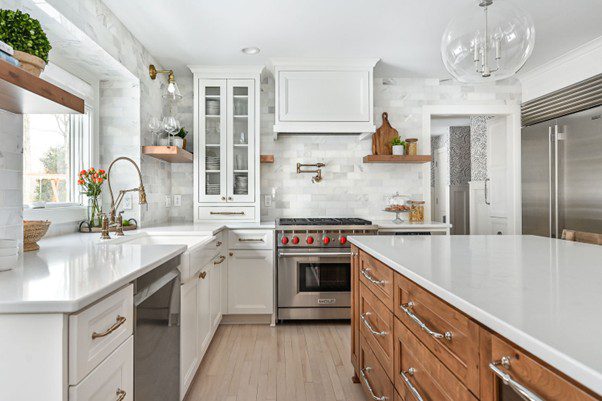
European-style kitchen cabinets are recognized for their frameless construction, precision manufacturing, and high storage efficiency. Originating from European design principles, these cabinets prioritize functionality, ergonomics, and sleek aesthetics.
Key features of European-style cabinets:
- Frameless (full-access) cabinet boxes
- Wider drawers and larger interior storage capacity
- Advanced hardware systems with soft-close technology
Performance advantages:
- Maximizes usable interior space
- Allows perfect alignment and clean horizontal lines
- Supports handleless and modular kitchen systems
European-style cabinets are a preferred choice for modern kitchens, luxury apartments, and high-end renovations, where precision and efficiency are critical.
2.4 Modern Shaker Kitchen Cabinets
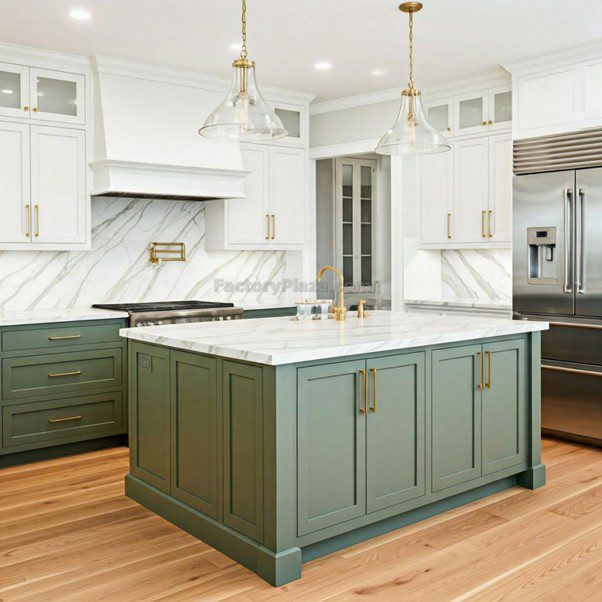
Modern shaker cabinets are a contemporary evolution of the classic shaker style, offering a balance between traditional structure and modern minimalism. Unlike traditional shaker cabinets, modern versions feature thinner frames, sharper edges, and refined proportions.
Design features include:
- Narrow stiles and rails for a streamlined look
- Flat or subtly recessed center panels
- Minimal ornamentation and clean detailing
Why homeowners choose modern shaker cabinets:
- Timeless design that doesn’t go out of style
- Suitable for both modern and transitional kitchens
- Pairs well with neutral colors, matte finishes, and subtle hardware
Modern shaker cabinets are ideal for homeowners who want a warm, approachable kitchen aesthetic without sacrificing modern elegance.
See More White Slim Shaker Kitchens
3. Best Kitchen Cabinet Materials
3.1 Kitchen Cabinet Box Materials
The cabinet box is the structural foundation of any kitchen cabinet system. urability, moisture resistance, and long-term stability are the top priorities when selecting cabinet box materials.
Plywood Cabinet Boxes
Plywood remains the preferred material for high-quality kitchen cabinets, especially in modern and semi-custom installations.
Key benefits of plywood cabinet boxes:
- Excellent strength-to-weight ratio
- High resistance to moisture and humidity
- Reduced warping compared to solid wood
- Long service life suitable for busy kitchens
Plywood cabinets are ideal for premium homes, long-term investments, and kitchens exposed to moisture, such as condos and open-concept spaces.
Engineered Board Cabinet Boxes
Engineered boards (such as particle board or composite board) are a cost-effective alternative when manufactured and sealed correctly.
Advantages include:
- Consistent material structure
- Lower cost for budget-conscious projects
- Reliable performance with proper edge banding and sealing
When combined with quality hardware and professional installation, engineered board cabinets can perform well in standard residential kitchens.
3.2 Kitchen Cabinet Door Materials
Cabinet doors define the visual identity and tactile experience of a kitchen. Modern manufacturing allows for high-performance materials that combine beauty with durability.
Painted MDF / HDF Cabinet Doors
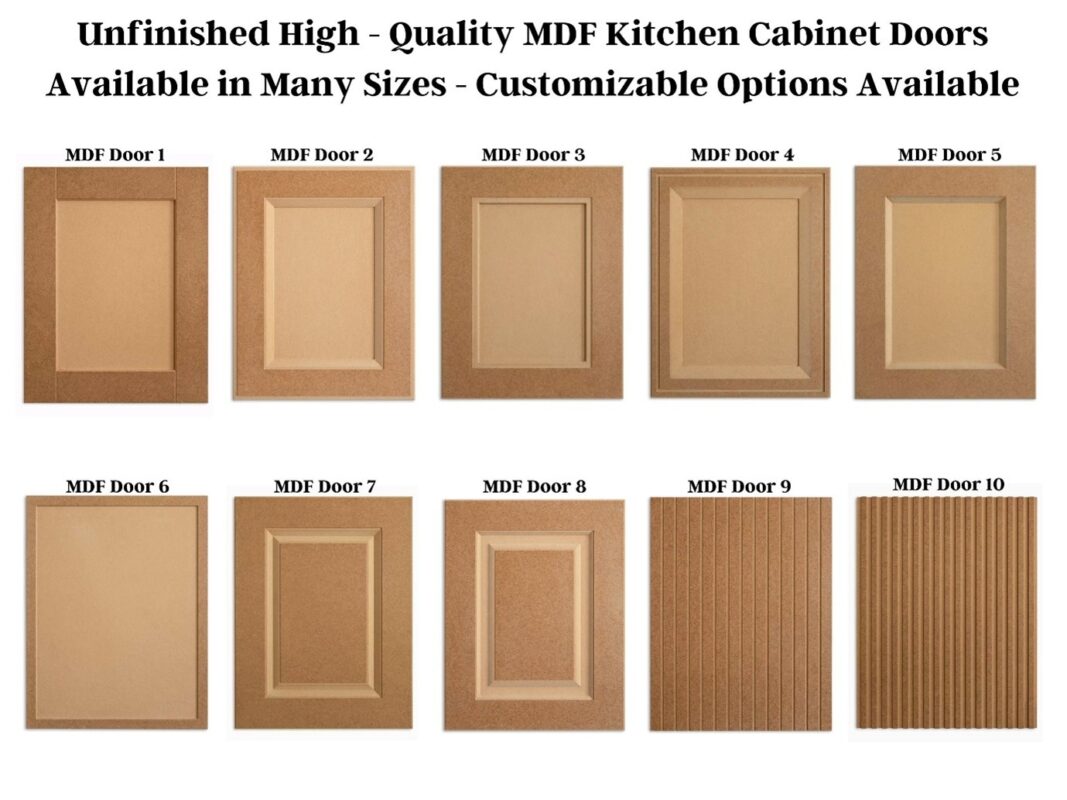
Painted MDF (Medium Density Fiberboard) and HDF (High Density Fiberboard) are widely used in modern kitchen cabinet doors.
Key advantages:
- Ultra-smooth surface for flawless paint finishes
- Excellent resistance to cracking and warping
- Ideal for high-gloss, matte, and custom color applications
Painted MDF/HDF doors are commonly chosen for modern, minimalist, and luxury kitchens.
Wood Veneer Cabinet Doors
Wood veneer doors offer the natural beauty of real wood with enhanced dimensional stability.
Why homeowners choose veneer:
- Authentic wood grain appearance
- Less movement compared to solid wood
- Works well with modern matte and smoked finishes
Wood veneer cabinets are perfect for modern organic, Scandinavian, and luxury interior designs.
Thermofoil Cabinet Doors
Thermofoil cabinets are produced by vacuum-forming a vinyl layer over engineered cores.
Key benefits:
- Consistent color and finish
- Easy cleaning and low maintenance
- Cost-efficient option for modern kitchens
Thermofoil doors are suitable for high-traffic households and rental properties where durability and easy upkeep matter most.
3.3 Advanced Cabinet Finish Technologies
Finish technology plays a critical role in both aesthetic longevity and surface performance. Modern coating systems are engineered to withstand daily kitchen use.
Key Performance Enhancements:
- UV resistance to prevent fading and color degradation
- Scratch-resistant coatings for improved durability
- Anti-yellowing technology to maintain long-term color accuracy
These advanced finishes help kitchen cabinets:
- Retain their original appearance for years
- Perform better under heat, light, and moisture exposure
- Reduce long-term maintenance and refinishing costs
High-performance finishes are now a standard expectation in premium and professional-grade kitchen cabinetry.
4. Kitchen Cabinet Color Trends
Color plays a decisive role in modern kitchen cabinet design, influencing not only aesthetics but also mood, perceived space, and long-term value. Kitchen cabinet color trends focus on timeless neutrals, natural tones, and strategic contrasts, allowing kitchens to remain stylish for years rather than seasons.
White High-Gloss Kitchen Cabinets

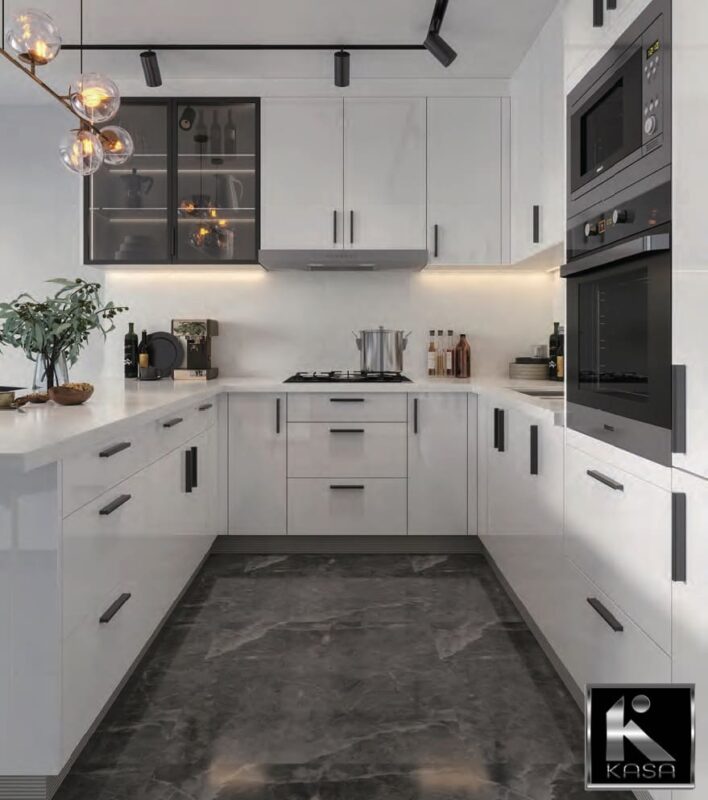
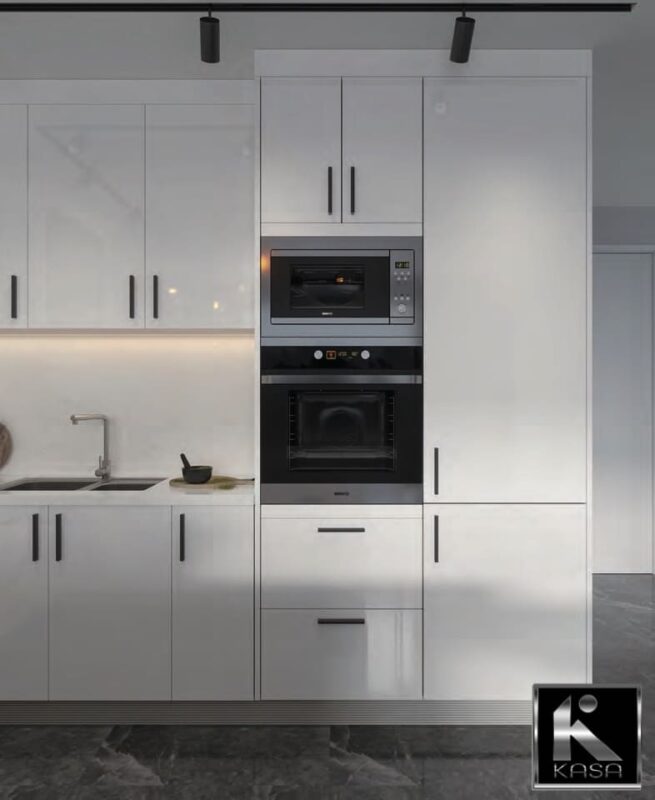
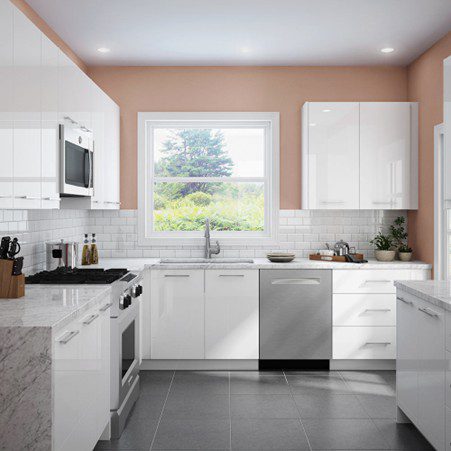
White high-gloss remains one of the most popular kitchen cabinet colors, especially in modern and contemporary interiors.
Why it continues to dominate:
- Reflects light, making kitchens appear brighter and more spacious
- Creates a clean, luxurious, and polished appearance
- Works exceptionally well in small kitchens and condos
High-gloss white cabinets pair beautifully with:
- Quartz or marble countertops
- Minimalist hardware
- Modern lighting systems
This color choice is ideal for homeowners seeking a sleek, high-end, and timeless kitchen aesthetic.
Soft Beige & Greige Kitchen Cabinets
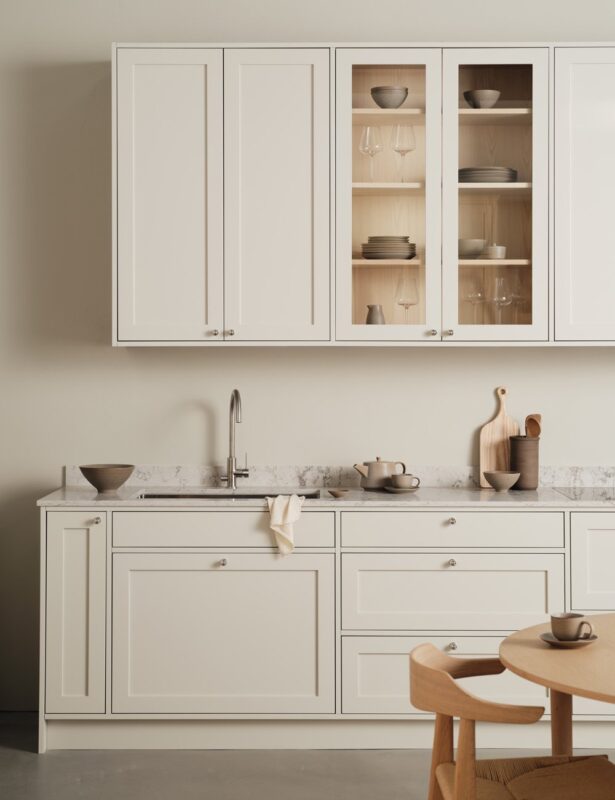
Soft beige and greige (a blend of gray and beige) are emerging as top neutral cabinet colors for homeowners who want warmth without sacrificing modern appeal.
Key benefits:
- Adds subtle warmth to modern kitchens
- Easier to maintain than pure white
- Complements a wide range of materials and finishes
These tones are particularly effective in open-concept homes, where the kitchen needs to flow naturally with living and dining spaces.
Charcoal Gray Kitchen Cabinets
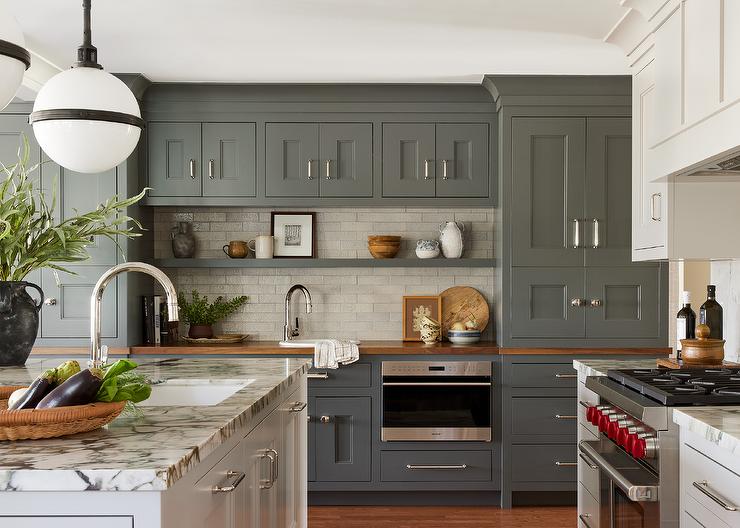
Charcoal gray offers a bold yet refined alternative to traditional neutrals. It provides depth and contrast while remaining versatile.
Why designers love charcoal gray:
- Strong visual presence without overpowering the space
- Works well with both matte and textured finishes
- Ideal for modern, industrial, and transitional kitchens
Charcoal gray cabinets are often used for base cabinets or islands, paired with lighter upper cabinets to maintain balance.
Matte Black Kitchen Cabinets
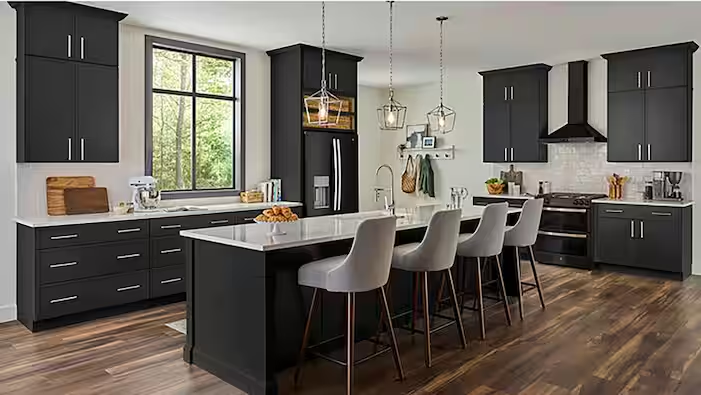
Matte black cabinets continue to grow in popularity Symbolizing modern luxury and architectural sophistication.
Advantages of matte black:
- Dramatic yet elegant appearance
- Minimal glare with fingerprint-resistant coatings
- Pairs well with wood, stone, and metal accents
Matte black is commonly applied to:
- Statement kitchen islands
- Feature walls
- Luxury contemporary kitchens
Proper lighting is essential to showcase this color effectively.
Smoked Oak Kitchen Cabinets
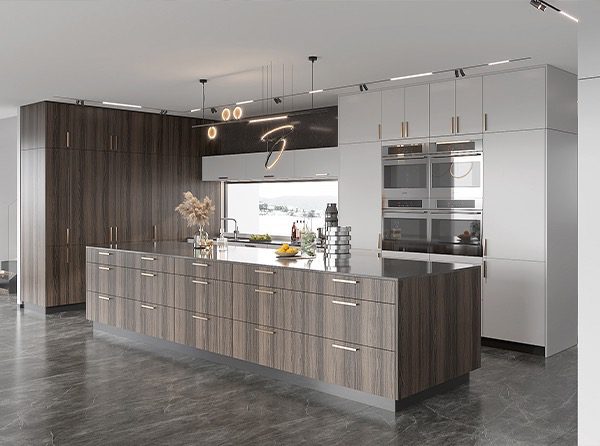
Smoked oak brings rich texture and organic depth to modern kitchens, combining natural warmth with contemporary refinement.
Why smoked oak stands out:
- Enhanced grain visibility with darker undertones
- Sophisticated alternative to traditional wood finishes
- Adds character without overwhelming the space
Smoked oak cabinets are frequently used in modern organic, Scandinavian, and Japandi-inspired kitchens.
Warm Walnut Kitchen Cabinets

Warm walnut continues to be a premium wood tone associated with timeless luxury and elegance.
Key attributes:
- Rich, warm color with natural variation
- Works well with matte, satin, or low-sheen finishes
- Elevates both modern and transitional kitchen designs
Walnut cabinets are often combined with:
- White or greige cabinetry
- Brass or black hardware
- Stone or quartz countertops
Neutral Palettes with Bold Accents
The most successful kitchen designs use neutral cabinet palettes as a foundation, enhanced by bold islands or accent cabinets.
Popular accent strategies include:
- Dark or colored kitchen islands
- Wood-tone feature cabinets
- Contrasting tall pantry units
This approach allows homeowners to experiment with color while maintaining long-term flexibility and resale value.
See More Natural Wood Kitchens
5. Smart Storage & Functional Cabinet Solutions
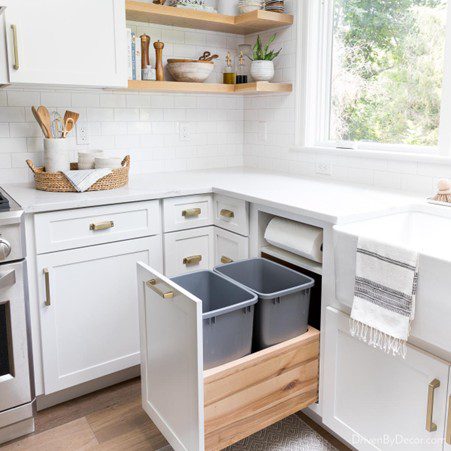
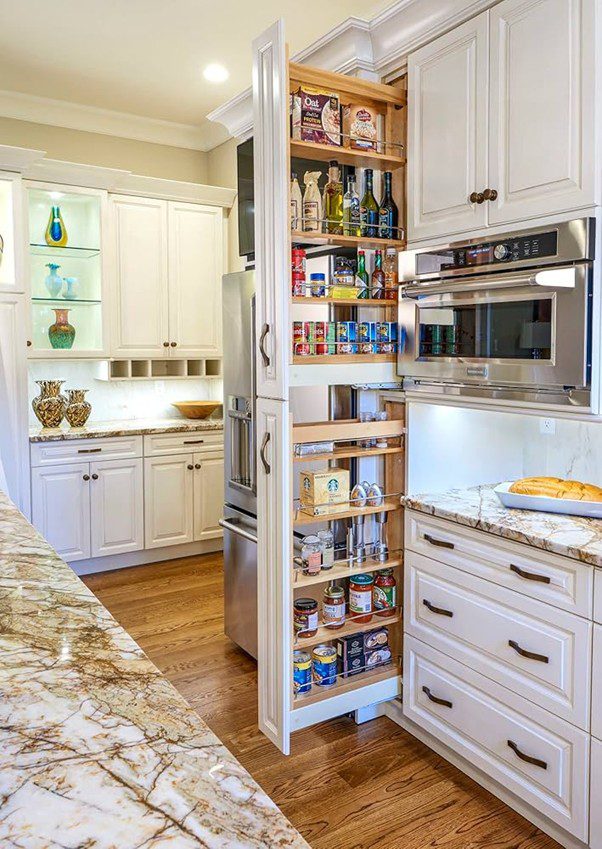
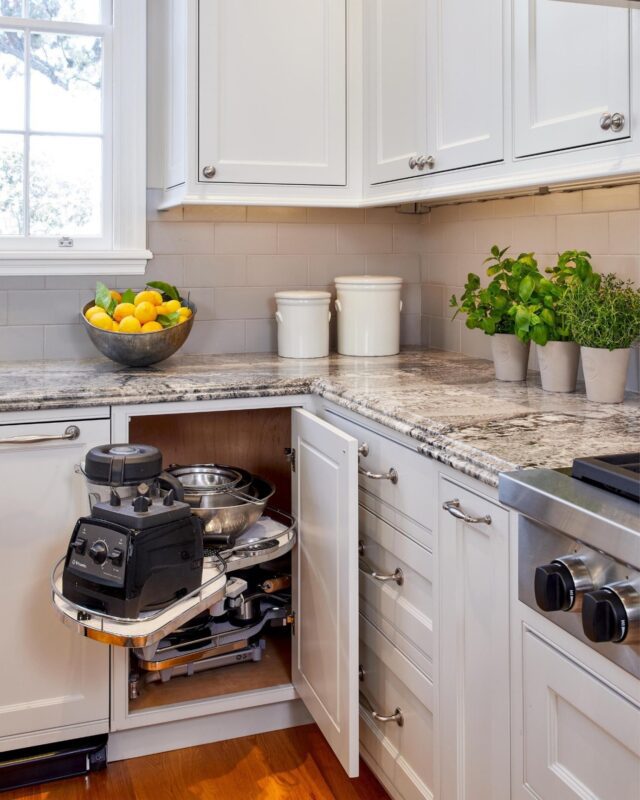
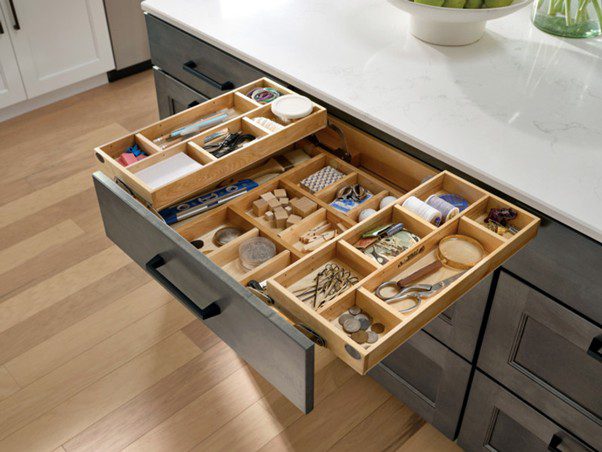
Modern kitchen cabinets are designed for efficiency:
- Full-extension drawers
- Pull-out pantry systems
- Corner carousel units
- Built-in waste sorting
- Soft-close hinges & slides
Every inch of cabinet space is optimized to support modern lifestyles.
6. Kitchen Cabinet Layouts That Define Modern Homes
Kitchen cabinet layout is the foundation of a functional and visually balanced kitchen. In modern homes, layout design goes beyond aesthetics—it directly impacts workflow, storage efficiency, and how the kitchen integrates with surrounding living spaces. The most successful kitchen designs prioritize ergonomics, flexibility, and open-concept living.
6.1 L-Shaped Kitchen Cabinet Layouts
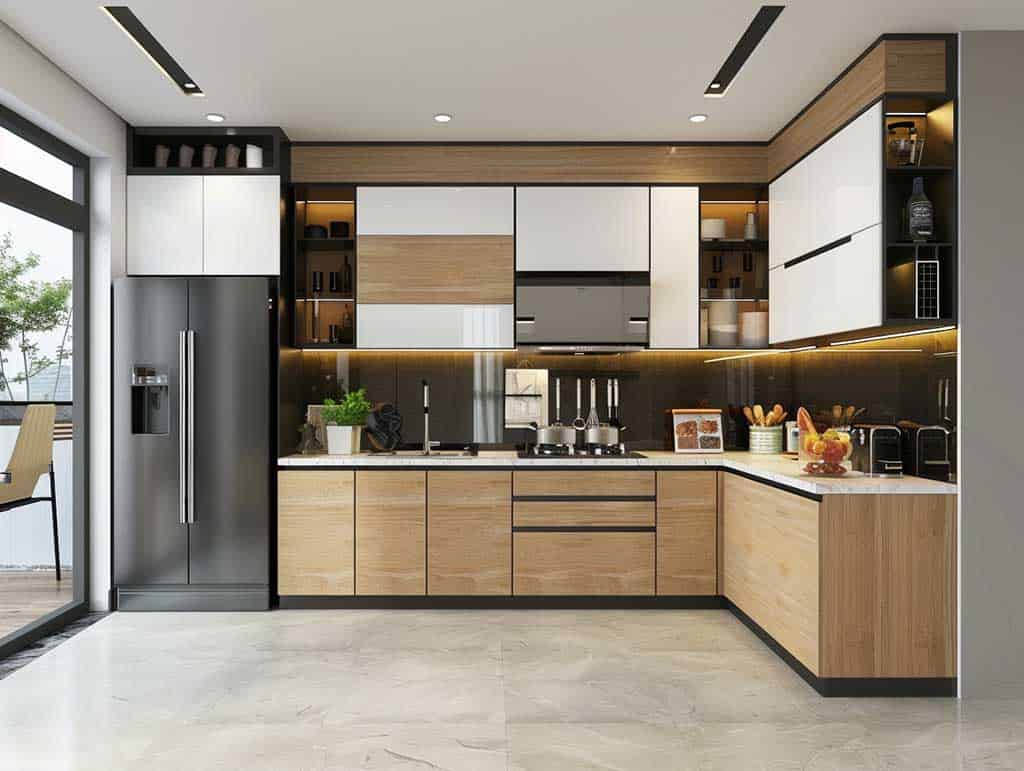
L-shaped kitchens are one of the most versatile and popular layouts in modern home design. By positioning cabinets along two adjacent walls, this layout creates an open and inviting kitchen environment.
Key advantages of L-shaped kitchens:
- Efficient work triangle between sink, stove, and refrigerator
- Maximizes corner space with smart cabinet solutions
- Ideal for open-concept layouts and medium-sized kitchens
This layout allows for easy integration of:
- Kitchen islands or peninsula seating
- Tall pantry cabinets
- Open shelving for decorative accents
L-shaped cabinet layouts are perfect for modern homes, townhouses, and open-plan condos where flexibility is essential.
6.2 U-Shaped Kitchen Cabinet Layouts
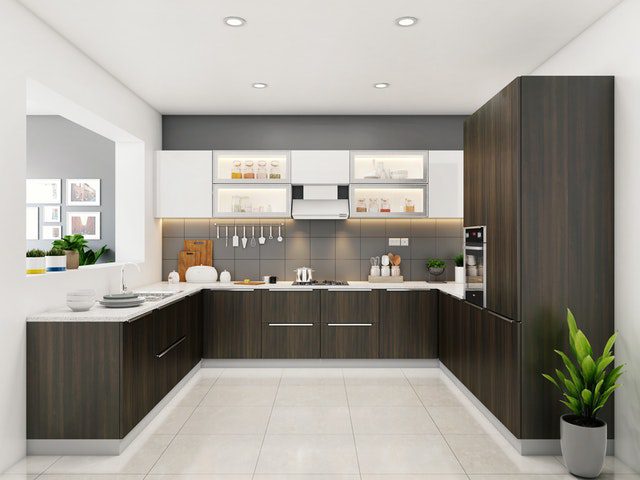
U-shaped kitchens are designed to offer maximum storage and countertop space, making them ideal for households that prioritize cooking and organization.
Key characteristics:
- Cabinets installed on three surrounding walls
- High storage capacity with upper, base, and tall cabinets
- Continuous countertop workspace
Benefits of U-shaped layouts:
- Excellent workflow and efficiency
- Easy separation of cooking, cleaning, and prep zones
- Ideal for families and frequent home cooks
This layout works best in larger kitchens or dedicated kitchen spaces, where ample room allows for comfortable movement.
6.3 Island Kitchen Cabinet Layouts
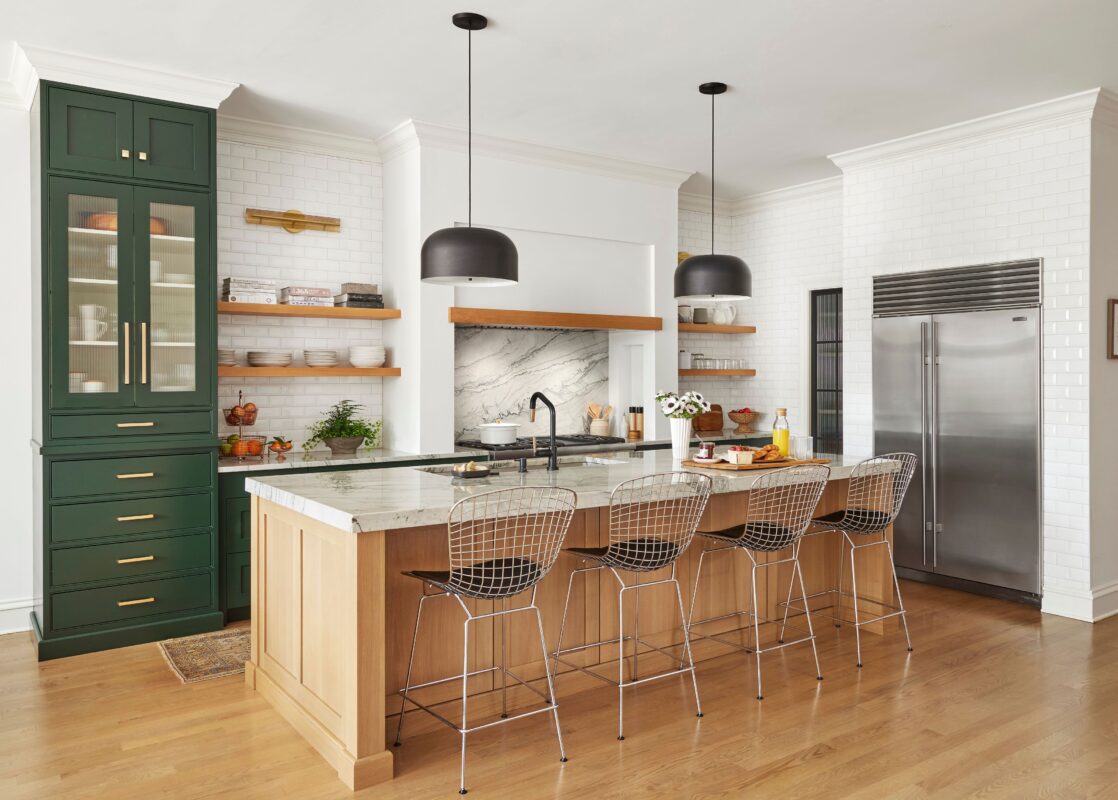
Island kitchens are a defining feature of modern homes, serving as both a functional workspace and social hub. A well-designed kitchen island enhances the overall cabinet system and improves daily usability.
Benefits of island kitchens:
- Additional base cabinet storage
- Extra countertop space for food preparation
- Seating area for dining or casual gatherings
Modern kitchen islands often include:
- Built-in sinks or cooktops
- Integrated appliances
- Accent colors or contrasting finishes
Island layouts are especially popular in open-concept homes, luxury residences, and family-oriented kitchens.
6.4 Galley Kitchen Cabinet Layouts
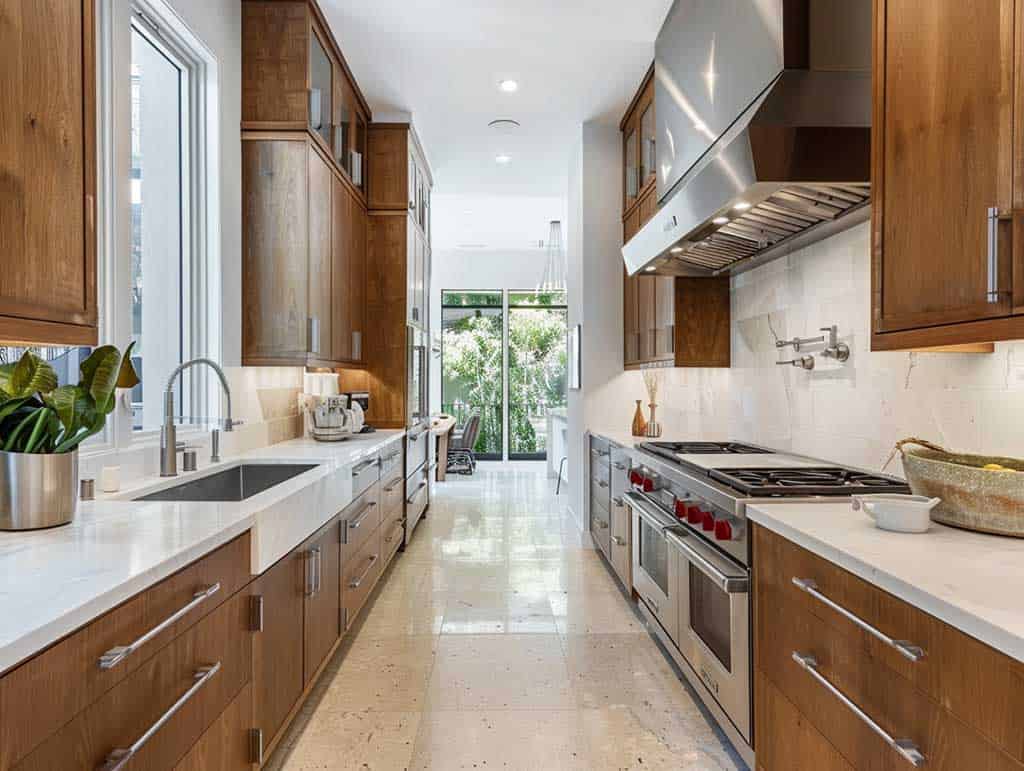
Galley kitchens are known for their high efficiency and space optimization, making them ideal for urban living environments.
Key features:
- Two parallel cabinet runs
- Compact and functional design
- Minimal wasted space
Advantages of galley kitchens:
- Streamlined workflow
- Lower renovation costs
- Excellent storage when designed with full-height cabinets
This layout is commonly found in condos, apartments, and compact homes, where smart cabinet planning is essential to maximize usability.
7. Custom vs. Modular Kitchen Cabinets
Choosing between custom and modular kitchen cabinets is a critical decision that affects budget, timeline, design flexibility, and long-term performance. dvancements in manufacturing have narrowed the gap between these two options, giving homeowners more balanced choices.
Custom Kitchen Cabinets
Custom kitchen cabinets are built specifically for a unique space, offering the highest level of personalization and craftsmanship.
Key characteristics of custom cabinets:
- Tailored dimensions to fit non-standard layouts
- Premium materials and exclusive finishes
- Complete design freedom for doors, colors, and storage solutions
Advantages:
- Ideal for luxury homes and architectural kitchens
- Seamless integration with custom appliances and millwork
- Strong visual identity and exclusivity
Considerations:
- Higher cost
- Longer production and installation timeline
Custom cabinets are best suited for high-end residences, unique floor plans, and clients seeking fully bespoke solutions.
Modular Kitchen Cabinets
Modular kitchen cabinets are factory-produced in standardized sizes, offering efficiency, consistency, and cost control.
Key benefits of modular cabinets:
- Faster manufacturing and installation
- Cost-effective for most residential projects
- Consistent quality through controlled production processes
Additional advantages:
- Easy replacement or upgrades
- Scalable solutions for large developments
- Ideal for contractors, builders, and developers
Modular cabinets are commonly used in modern homes, condos, and multi-unit projects, where efficiency and reliability are essential.
Semi-Custom Modular Systems: The Best of Both WorldsmMany homeowners choose semi-custom modular kitchen cabinets to balance affordability with personalization.
These systems offer:
- Modular cabinet boxes with customizable doors and finishes
- Flexible layouts with tailored storage accessories
- Shorter lead times compared to full custom cabinetry
Semi-custom modular cabinets deliver excellent value, modern aesthetics, and long-term performance.
8. Sustainability & Eco-Friendly Kitchen Cabinets
Sustainability is no longer optional in modern kitchen design. Eco-conscious kitchen cabinets are now a standard expectation, driven by environmental awareness and health considerations.
Sustainable Features in Modern Cabinets
Modern kitchen cabinets increasingly incorporate:
- Low-VOC and water-based paints to reduce indoor air pollution
- FSC-certified wood sourced from responsibly managed forests
- Long-lasting materials designed to minimize replacement cycles
- Reduced-waste manufacturing processes for environmental efficiency
Benefits of Eco-Friendly Kitchen Cabinets
Choosing sustainable cabinets offers long-term advantages:
- Improved indoor air quality for healthier living
- Reduced environmental impact
- Increased home value and buyer appeal
- Compliance with modern building standards and certifications
Eco-friendly cabinets are especially valuable for families, environmentally conscious homeowners, and green-certified projects.
See More White High Gloss (PGW)
9. Kitchen Cabinet Hardware & Accessories
Cabinet hardware plays a vital role in both functionality and user experience, transforming well-designed cabinets into high-performance kitchen systems.
Essential Hardware Components
Modern kitchen cabinets typically include:
- Soft-close hinges for quiet, controlled door movement
- Undermount drawer slides with full-extension access
- Integrated LED lighting for enhanced visibility and ambiance
- Aluminum profiles for durability and modern detailing
- Minimalist pulls that complement clean cabinet lines
Hidden Hardware Systems: A Growing Trend
Hidden and integrated hardware systems are increasingly popular, especially in modern and minimalist kitchens.
Advantages include:
- Cleaner visual appearance
- Reduced wear and tear
- Enhanced safety and ease of cleaning
Hidden hardware supports the growing demand for handleless, seamless kitchen cabinet designs.
See More Gray Single Shaker (GSS)
10. How to Choose the Right Kitchen Cabinets
Choosing the right kitchen cabinets is a strategic decision that impacts daily comfort, aesthetics, durability, and long-term property value.omeowners are encouraged to look beyond appearance and focus on performance, usability, and future adaptability.
Key Factors to Consider When Selecting Kitchen Cabinets
- Kitchen Size & Layout
Cabinet design must align with the available space. Compact kitchens benefit from full-height cabinets and smart storage, while larger kitchens allow for islands and specialty cabinets. - Lifestyle & Cooking Habits
Frequent cooking, large families, or entertaining guests require durable materials, easy-clean finishes, and efficient storage systems. - Material Durability
Choose cabinet boxes and doors that can withstand moisture, heat, and daily wear—especially in high-traffic kitchens. - Finish Maintenance
High-gloss, matte, or wood finishes each require different care levels. Selecting the right finish reduces long-term maintenance effort. - Budget vs. Long-Term Value
Lower upfront cost may lead to higher replacement expenses. Investing in quality cabinets ensures longevity and better resale value. - Installation Timeline
Modular and semi-custom systems offer faster installation, while fully custom cabinets require longer lead times.
A professional kitchen cabinet consultation ensures optimal layout planning, material selection, and cost efficiency.
11. Cost of Modern Kitchen Cabinets
The cost of modern kitchen cabinets varies widely depending on design complexity, material selection, and customization level, pricing reflects a balance between manufacturing efficiency and premium performance.
Key Pricing Factors
- Cabinet box material (plywood vs. engineered board)
- Door material and finish technology
- Level of customization
- Hardware quality and accessories
Estimated Price Categories
Entry-Level Kitchen Cabinets
- Modular systems with standard finishes
- Cost-effective and fast to install
- Suitable for apartments and rental properties
Mid-Range Kitchen Cabinets
- Plywood cabinet boxes with painted MDF/HDF doors
- Soft-close hardware and modern finishes
- Ideal for most family homes
High-End Kitchen Cabinets
- Fully custom luxury cabinetry
- Premium materials, finishes, and hardware
- Designed for upscale homes and bespoke interiors
While high-quality cabinets require a higher initial investment, they deliver greater durability, reduced maintenance, and higher resale value.
See More Blue Single Shaker (BSS)
12. Kitchen Cabinet Installation & Maintenance Tips
Even the best kitchen cabinets require proper installation and care to perform optimally over time.
Installation Best Practices
- Ensure precise measurements before production
- Use experienced, professional installers
- Confirm proper leveling and alignment
- Verify hardware adjustment and soft-close performance
Maintenance Tips for Long-Lasting Cabinets
- Clean surfaces with non-abrasive, mild cleaners
- Avoid prolonged exposure to moisture and steam
- Wipe spills immediately
- Regularly inspect and adjust hinges and drawer slides
With correct installation and routine maintenance, modern kitchen cabinets can maintain their appearance and functionality for decades.
13. Future of Kitchen Cabinet Design
The future of kitchen cabinet design reflects the evolving role of the kitchen as a multi-functional living space. Innovation in technology and materials continues to reshape how cabinets are designed and used.
Emerging Trends in Kitchen Cabinets
- Smart integrations with lighting, appliances, and storage systems
- Touchless operation for enhanced hygiene and convenience
- AI-assisted storage planning to optimize space usage
- Modular adaptability for easy upgrades and reconfiguration
As homes become smarter and lifestyles more dynamic, kitchen cabinets will continue to evolve—remaining the heart of the modern home, both functionally and emotionally.
See More White Single Shaker (WSS)
Frequently Asked Questions (FAQ)– Kitchen Cabinet
What is the most popular kitchen cabinet style?
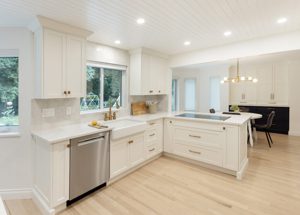
The most popular kitchen cabinet style is still Shaker cabinets, thanks to their clean lines and ability to work in modern, transitional, and classic kitchens alike. At the same time, there is strong growth in very simple slab/flat-panel doors, especially in more minimalist and European-inspired designs.
Leading door styles
- Shaker doors remain the top choice and are explicitly noted as “still #1” for their recessed center panel and simple frame that fits many design directions. They are widely used with both painted and wood finishes, from crisp whites to darker tones.
- Slab (flat-panel) doors are surging in popularity, especially in modern and handleless kitchens where homeowners want very clean, uninterrupted surfaces. These are often paired with minimalist hardware or push-to-open systems for a sleek look.
Current finish and color trends
- Warm, natural wood and textured finishes are a major trend, reflecting a move away from cold all-white cabinetry toward more warmth and visible grain. Designers highlight creams, mushroom tones, and other soft earthy neutrals as go‑to choices.
- Color is more prominent, with greens (especially sage and deeper forest tones) and rich, earthy palettes like terracotta being used either across all cabinets or in two-tone combinations. Two-tone layouts—such as darker lowers with lighter uppers—are also widely described as continuing strongly into.
2. Are plywood kitchen cabinets better than MDF?
Plywood kitchen cabinets outperform MDF in most key areas, particularly for durability and moisture resistance in high-use kitchens. While MDF offers advantages in smooth finishes and lower cost, plywood provides better long-term value.
Key Comparison
| Aspect | Plywood Advantages | MDF Advantages | Notes [Sources] |
| Strength/Durability | Superior load-bearing; resists sagging under heavy items like dishes or countertops. | Less rigid; prone to deformation over time without reinforcement. | Plywood ideal for heavy-duty use. |
| Moisture Resistance | Handles humidity/spills better; less warping or swelling. | Absorbs water easily, leading to damage unless heavily sealed. | Critical for kitchens. |
| Screw-Holding | Excellent grip for hardware; easier repairs. | Weaker hold; may loosen. | Affects longevity. |
| Finish/Workability | Natural grain suits staining; needs edge banding. | Ultra-smooth for painting; precise cuts. | MDF better for painted styles. |
| Cost | Higher upfront but lasts 15-20+ years. | More affordable initially. | Plywood wins on ROI. |
When to Choose Each
- Opt for plywood in busy kitchens with moisture exposure or heavy loads for unmatched reliability.
- MDF suits budget painted cabinets in dry, low-use areas, but seal thoroughly.
- Premium installs often use plywood for boxes with MDF doors.
3, What cabinet colors are trending?
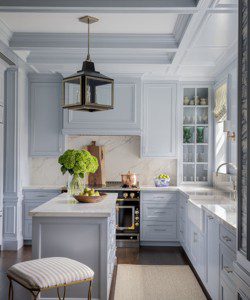
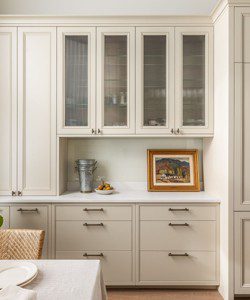
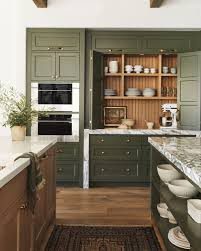
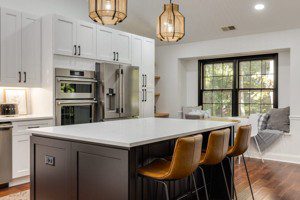

Trending kitchen cabinet colors shift toward warm, nature-inspired hues like greens and earthy neutrals, moving away from stark whites toward richer, moodier tones.
Top Colors
-
- Greens: Sage, olive, forest, and mossy greens lead as the most popular, favored by 76% of designers for their calming, organic feel; pair with brass hardware.
- Blues: Deep navy (e.g., Hale Navy HC-154), sapphire, cobalt, and stormy blues rank second, adding timeless drama without overwhelming spaces.
- Earthy Neutrals: Warm tones like Cinnamon Slate, rose pine, creams, and mushroom provide subtle depth and versatility across styles.
Other Strong Trends
-
- Natural wood tones and warm charcoals create inviting contrast, often in two-tone setups with lighter uppers.
4. How long do modern kitchen cabinets last?
Modern kitchen cabinets typically last 20 to 30 years with proper care, though high-end models can endure 50 years or more.
Lifespan by Material
| Material | Expected Lifespan | Key Factors [Sources] |
| Solid Wood/Hardwood | 30–50+ years | Resists wear; needs sealing. |
| Plywood | 20–30 years | Strong, warp-resistant. |
| MDF/Particleboard | 10–20 years | Moisture-sensitive; budget option. |
| Laminate/Melamine | 10–20 years | Prone to chipping if abused. |
Factors Affecting Longevity
High-quality construction and materials extend life in busy kitchens exposed to moisture and heat.
Regular maintenance like wiping spills, avoiding heavy overloads, and proper installation adds years.
Usage intensity matters—residential cabinets outlast commercial ones by 5–10 years.
5. Are handleless kitchen cabinets practical?
Handleless kitchen cabinets offer a sleek, modern aesthetic but come with practical trade-offs in usability and maintenance. They work well in low-traffic or minimalist spaces but may frustrate busy households.
Key Pros
- Safer design eliminates protruding handles, reducing bumps and injuries, especially for kids or in tight spaces.
- Easier to clean with smooth surfaces free of hardware crevices that trap grease and dirt.
- Space-efficient and versatile, enhancing open, contemporary looks across various finishes like matte or gloss.
Key Cons
- Fingerprints and smudges show prominently on touched surfaces, demanding frequent wiping, particularly on dark or glossy cabinets.
- Harder to open with wet, greasy, or full hands; push-to-open systems can stick or wear out over time.
- Less accessible for children, elderly, or those with mobility issues; higher upfront costs and potential mechanism repairs add to long-term expenses.
Best Fit
Handleless suits child-free, modern kitchens with light use and matte finishes for practicality. Pair with soft-close mechanisms and consider recessed grips as hybrids for better ergonomics.
6. What is the best finish for kitchen cabinets?
Matte finishes stand out as the best for kitchen cabinets due to their low-maintenance appeal and ability to hide fingerprints and wear in busy spaces.
Top Finishes Compared
| Finish Type | Strengths | Drawbacks | Best For [Sources] |
| Matte/Satin | Hides smudges, reduces glare, durable sheen | Less reflective, can show dust | Family kitchens |
| Gloss/High-Gloss | Brightens rooms, easy to wipe clean | Shows fingerprints, scratches easily | Show homes, low-use |
| Natural Wood (Stained) | Warm texture, timeless, highlights grain | Needs sealing against moisture | Organic/modern styles |
| Textured/Woodgrain | Adds depth, organic feel, forgiving surface | Higher cost, specific cleaning needs | Trendy, high-end looks |
Practical Tips
Satin or matte works across painted or stained cabinets, pairing well trends like sage green or earthy neutrals for practicality.
Avoid high-gloss in high-traffic areas; opt for sealed matte on plywood for longevity up to 30 years.
7. Can modern cabinets fit small kitchens?
Modern kitchen cabinets fit small kitchens exceptionally well due to their modular sizing and space-saving designs. Standard dimensions start as narrow as 9-12 inches wide, allowing efficient use of tight spaces without custom fabrication.
Standard Sizes for Small Spaces
| Cabinet Type | Minimum Widths | Depth Options | Notes [Sources] |
| Base | 9-12 inches | 24 inches | Fits narrow runs |
| Wall | 12 inches | 12 inches | Shallow for overhead |
| Tall/Pantry | 18 inches | 12-24 inches | Vertical storage |
Design Tips
Handleless or slab-front styles enhance sleekness in compact areas, while fillers (3-6 inches) customize fits.
Opt for plywood construction and matte finishes for durability in humid, high-use small kitchens up to 20-30 years.
8. Are custom kitchen cabinets worth the cost?
Custom kitchen cabinets are worth the cost for homeowners prioritizing perfect fit, premium materials, and longevity in unique spaces, but stock or semi-custom options often provide better value for standard layouts.
Cost Comparison
| Type | Cost per Linear Foot | Total for Avg. Kitchen (20-30 ft) | Key Traits [Sources] |
| Stock | $100–$400 | $5,000–$12,000 | Fast, affordable, limited sizes |
| Semi-Custom | $350–$650 | $10,000–$20,000 | Some tweaks, good balance |
| Full Custom | $500–$1,500+ | $15,000–$45,000+ | Exact fit, high-end materials |
When Worth It
Custom excels in awkward small kitchens or for trends like handleless Shaker styles with plywood and matte finishes, lasting 30+ years with superior durability.
Stock suffices for most, saving 50-70% upfront while fitting modern needs up to 20-30 years.
Opt for custom if staying long-term; otherwise, semi-custom maximizes ROI.
