


Blog
Solid Wood Doors vs Painted HDF Doors: Which Should You Choose?
May
Whether you are renovating your kitchen or building from scratch, choosing the right cabinet door material is one of the most important decisions you will make. Solid wood and painted HDF (High Density Fibreboard) doors are the two most popular choices on the market — but they serve very different needs, budgets, and lifestyles. This comprehensive guide breaks down everything you need to know.
1. What Are Solid Wood Cabinet Doors?
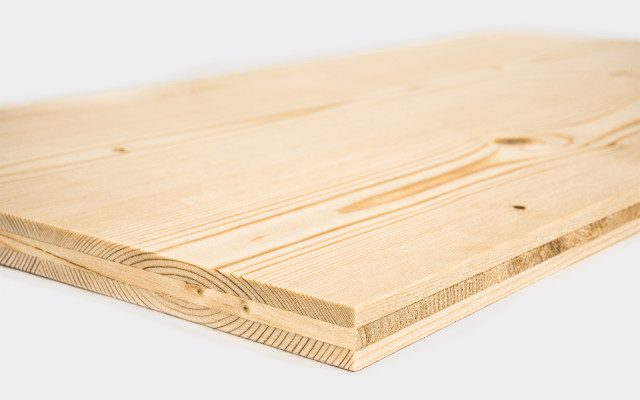
Solid wood cabinet doors are crafted entirely from natural hardwood timber — species such as oak, walnut, maple, cherry, or teak. Unlike engineered wood products, solid wood doors contain no composite layers, particle board, or adhesive fillers. The grain, warmth, and character of the wood are entirely natural.
In traditional cabinetry, solid wood has been the benchmark of quality for centuries. A well-crafted solid wood kitchen can last decades — even generations — if properly maintained. It is the material of choice for high-end residential kitchens, bespoke furniture makers, and heritage-style renovations.
Common Solid Wood Species Used in Kitchens
- Oak — durable, prominent grain, takes stain beautifully
- Walnut — rich dark tones, premium appearance, high density
- Maple — fine grain, pale color, excellent for painted finishes
- Cherry — warm reddish hues that deepen with age
- Teak — exceptional moisture resistance, popular in tropical climates
- Pine — affordable, soft, rustic aesthetic
The natural characteristics of solid wood — including its grain patterns, knots, and slight color variations — are considered features, not flaws. They give each kitchen a unique, one-of-a-kind identity that engineered materials simply cannot replicate.
See More: Solid Wood vs. Plywood: Which Is Better for Your Kitchen Cabinets?
2. What Are Painted HDF Cabinet Doors?
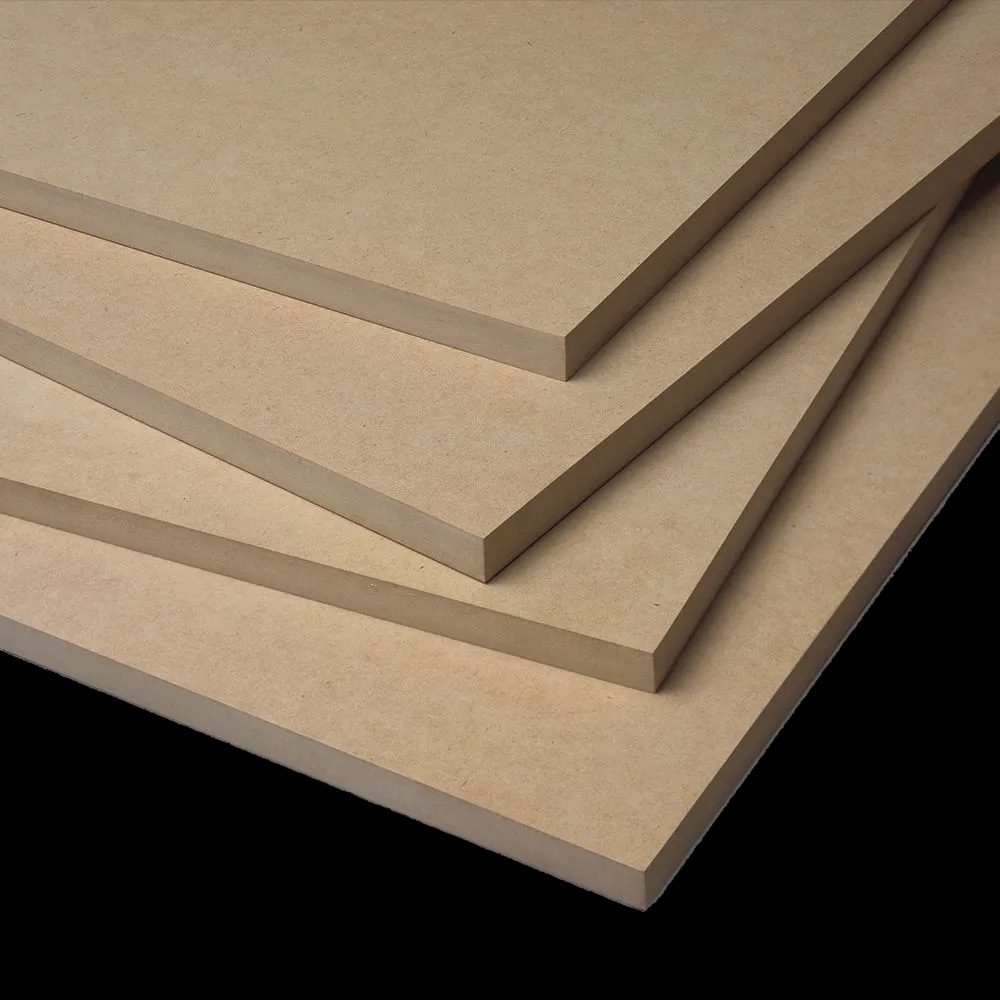
HDF (High Density Fibreboard) is an engineered wood product manufactured by compressing fine wood fibers under extreme heat and pressure with resin binders. The result is a dense, dimensionally stable panel with a smooth, consistent surface — ideal for painted finishes.
Painted HDF doors are typically made from an HDF core with a surface layer of MDF (Medium Density Fibreboard) or a primer coat, then finished with polyurethane, acrylic, or lacquer paint. This creates a flawless, factory-smooth surface that is extremely difficult to achieve with natural wood.
Key Manufacturing Characteristics
- Uniform density throughout — no grain variation or knots
- Excellent dimensional stability — resists warping and expansion
- Smooth surface accepts paint evenly and cleanly
- Produced from recycled or reclaimed wood fiber — environmentally efficient
- Can be manufactured in any color or finish using modern spray-painting technology
Modern painted HDF doors have come a long way from the cheap laminated panels of the 1990s. Today, premium HDF doors from reputable manufacturers rival solid wood in terms of visual appeal — and in many practical categories, they outperform their natural counterparts.
Expert Insight: At KASA Kitchens, we source painted HDF doors that meet European E0 and E1 formaldehyde emission standards — ensuring your kitchen is as safe for your family as it is beautiful.
See More: HDF vs MDF vs Solid Wood for Kitchen Doors: Which Material Is Best for Your Kitchen?
3. Head-to-Head Comparison: Solid Wood vs Painted HDF
Let us compare these two popular materials across the most important criteria for homeowners:
| Criteria | Solid Wood | Painted HDF |
| Material | 100% natural hardwood | HDF core, MDF overlay, painted finish |
| Durability | Highly durable (decades) | Good durability (10-15 years+) |
| Moisture Resistance | Susceptible — needs sealing | Excellent — highly resistant |
| Customization | Limited colors; wood grain only | Unlimited colors & finishes |
| Cost | Premium ($$$) | Budget-friendly ($) |
| Maintenance | Requires periodic refinishing | Easy wipe-clean surface |
| Eco-Friendliness | Sustainable if certified | Uses recycled wood fibers |
| Best For | Luxury, classic kitchens | Modern, high-humidity spaces |
| Resale Value | Higher perceived value | Moderate |
4. Durability & Longevity: Which Lasts Longer?
Both materials are durable when properly manufactured and maintained — but they age differently and have distinct vulnerabilities.
Solid Wood Durability
Solid hardwood is genuinely tough. A solid oak or walnut door can withstand heavy daily use for 30 to 50 years or more. It can be sanded, stripped, and refinished multiple times — effectively giving you a ‘new’ door without replacing the cabinet. This refurbishability is a significant long-term value.
However, solid wood is susceptible to the natural movement caused by changes in humidity and temperature. Wood expands when it absorbs moisture and contracts as it dries. In tropical climates like Vietnam — particularly in Ho Chi Minh City and the Mekong Delta region — this seasonal movement can cause doors to warp, crack, or develop gaps over time if the wood is not properly sealed and the kitchen is not climate-controlled.
Painted HDF Durability
HDF is dimensionally stable. Because it is engineered rather than grown, it does not have the natural grain structure that causes solid wood to expand and contract with humidity. This makes it a highly practical choice for kitchens — especially in humid tropical environments.
However, HDF has one notable vulnerability: it does not respond well to water penetration at exposed edges or damaged surfaces. If the paint coating is chipped and water gets into the fibreboard core, swelling and delamination can occur. Quality sealing of all edges and a durable topcoat are critical in preventing this.
Premium painted HDF doors with proper edge sealing and moisture-resistant paint finishes can comfortably last 15 to 25 years — making them a practical, cost-effective long-term choice.
Verdict on Durability: For dry, climate-controlled kitchens, solid wood wins on longevity. For humid tropical climates or kitchens near sinks and dishwashers, high-quality painted HDF is often the smarter, more resilient choice.
5. Moisture & Heat Resistance
The kitchen is one of the most demanding environments in the home. Steam from boiling water, splashes from the sink, heat from cooking — all of these put constant stress on cabinet doors. Understanding how each material handles these conditions is essential.
How Solid Wood Handles Moisture
Solid wood is hygroscopic — it absorbs and releases moisture from the surrounding air. In high-humidity environments, untreated or improperly sealed solid wood can warp, swell, or develop mold. Even with a quality lacquer or oil finish, the end grain of solid wood doors can absorb moisture over time.
For kitchens in tropical climates, this is a real concern. Many homeowners in Southeast Asia have experienced solid wood cabinet doors that develop a slight bow or twist during the wet season. Proper ventilation, climate control, and regular maintenance can mitigate — but not entirely eliminate — this risk.
How Painted HDF Handles Moisture
HDF is significantly more moisture-resistant than solid wood, particularly when the surface is factory-painted with a high-quality lacquer or UV-cured polyurethane finish. The dense fiber structure limits moisture absorption, and the paint coating creates an additional barrier against splashes and steam.
For areas near the sink, dishwasher, or cooktop, painted HDF is widely recommended by kitchen designers as the more practical material. Many premium painted HDF products are now available with moisture-resistant core formulations that further enhance their suitability for demanding kitchen environments.
6. Aesthetics & Design Flexibility
Both materials offer beautiful aesthetics — but they excel in different design directions.
The Timeless Appeal of Solid Wood
There is something about natural wood that no engineered material can fully replicate. The warmth of the grain, the slight variations in color and texture, the way light plays across the surface — these qualities create kitchens with genuine character and soul. Solid wood is the ideal choice for:
- Traditional, Shaker, or classic kitchen designs
- Farmhouse and rustic aesthetics
- Warm, natural, or earthy interior styles
- Open kitchens where the cabinetry is a design focal point
The Design Versatility of Painted HDF
Painted HDF offers unparalleled design flexibility. Because the surface is factory-sprayed, it can be produced in virtually any color — from classic off-white and navy blue to bold coral, forest green, or matte black. The smooth, consistent surface also enables:
- High-gloss finishes that are impossible to achieve with natural wood grain
- Matte and satin finishes with perfectly uniform appearance
- Contemporary, minimalist, and Scandinavian kitchen aesthetics
- Color-matched kitchens that integrate seamlessly with interior design schemes
- Easy color updates — the entire kitchen feel can be changed with new doors
Design Tip from KASA Kitchens: Many of our clients combine both materials — using solid wood for a kitchen island or specific accent cabinets, and painted HDF for the main run of cabinetry. This hybrid approach delivers the warmth of natural wood alongside the practicality and color versatility of HDF.
See More: How Much Should You Budget for Kitchen Cabinets in Canada?
7. Cost Comparison: Budget Considerations
Cost is one of the most decisive factors in kitchen design. Here is an honest breakdown of what to expect:
Solid Wood Door Costs
Solid wood cabinet doors are significantly more expensive than HDF alternatives. The cost varies depending on the wood species, door profile complexity, and finish. Hardwoods such as walnut and teak command premium prices due to limited supply and high material density. Even more affordable solid wood species like pine or rubber wood cost considerably more per door than a comparable HDF door.
Beyond material cost, solid wood kitchens often require higher installation and finishing costs, plus periodic maintenance expenditure over the life of the kitchen.
Painted HDF Door Costs
Painted HDF doors offer excellent value for money. Factory manufacturing efficiencies, consistent raw material supply, and straightforward finishing processes make them considerably more affordable than solid wood. A full kitchen in painted HDF can cost 30 to 60 percent less than an equivalent solid wood kitchen — freeing up budget for premium appliances, countertops, or other upgrades.
It is worth noting that high-end painted HDF doors from premium manufacturers can still carry a significant price tag — reflecting superior paint quality, edge treatment, and manufacturing precision. As with any material, you get what you pay for.
Budget Tip: At KASA Kitchens, we offer painted HDF doors across a wide price range — from practical, everyday kitchens to designer-grade finishes that rival solid wood in visual impact. Ask our consultants for a comparison quote tailored to your space.
8. Maintenance & Care
Understanding the ongoing care requirements of each material helps you make a decision that fits your lifestyle.
Maintaining Solid Wood Doors
Solid wood requires more attention than engineered alternatives. To keep solid wood cabinet doors looking their best:
- Clean with a soft, slightly damp cloth — avoid harsh chemicals or abrasives
- Apply furniture oil or wax annually to nourish the wood and maintain the finish
- Refinish or reseal the surface every 5 to 10 years depending on wear
- Monitor for early signs of warping, especially in humid seasons
- Keep doors away from direct steam or prolonged moisture exposure
Maintaining Painted HDF Doors
Painted HDF doors are far easier to maintain:
- Wipe clean with a damp cloth and mild household cleaner
- The non-porous surface resists grease, stains, and odors
- No periodic refinishing or oiling required
- Touch up small chips with matching paint if necessary
- Avoid prolonged water pooling at the base of doors
For busy families, households with young children, or anyone who wants a low-maintenance kitchen, painted HDF is the practical choice.
See More: Modern Slab Doors vs Shaker Cabinets: Which Fits Your Home?
9. Environmental & Sustainability Considerations
As awareness of environmental impact grows, many homeowners are considering the ecological footprint of their kitchen materials.
Solid Wood Sustainability
Solid wood is a natural, renewable resource — but its environmental credentials depend entirely on responsible sourcing. Wood sourced from certified sustainable forests (FSC or PEFC certified) is a genuinely eco-friendly choice. However, illegally logged or unsustainably sourced timber is an environmental concern. When choosing solid wood, always ask your supplier for sustainability certification.
HDF Sustainability
HDF is manufactured largely from recycled wood fiber — offcuts, sawdust, and reclaimed material that would otherwise be waste. This makes it an inherently efficient use of wood resources. Many HDF manufacturers now also use low-formaldehyde resins, reducing indoor air quality concerns. Look for E0 or E1 emission standards when selecting HDF products.
10. Which Material Is Right for You? A Decision Framework
The best material depends on your specific circumstances. Use this framework to guide your decision:
Choose Solid Wood If…
- You want a premium, luxury kitchen with natural character and warmth
- Your kitchen is in a dry, climate-controlled environment
- You are investing for long-term ownership and plan to refinish over decades
- Your design aesthetic is traditional, rustic, or classic
- Budget is not the primary constraint
- You appreciate the unique, living quality of natural materials
Choose Painted HDF If…
- You live in a humid tropical climate (e.g., Ho Chi Minh City, Hanoi, Da Nang)
- Your kitchen sees heavy daily use with steam, splashes, and moisture
- You want a contemporary, minimalist, or bold color scheme
- You prefer a low-maintenance, easy-clean surface
- You are working with a moderate budget and want maximum design value
- You want design flexibility to update the look in the future
- Your kitchen has areas near the sink, dishwasher, or stove
For most Vietnamese homeowners, painted HDF represents the optimal balance of quality, practicality, and design freedom. Our tropical climate, combined with the increasing sophistication of modern HDF manufacturing, makes it the right choice for the majority of kitchen projects. That said, solid wood remains the aspirational premium choice for those who value natural materials above all else.
See More: Which Cabinet Material Lasts Longer for Canadian Condos, Basements & Rentals?
11. Frequently Asked Questions (FAQs)
Can painted HDF doors look as good as solid wood?
Yes — especially in contemporary kitchen styles. Modern factory painting techniques produce a flawlessly smooth, uniform finish that many homeowners actually prefer to the grain variation of natural wood. In a modern minimalist kitchen, painted HDF can look stunning.
How long do painted HDF cabinet doors last?
With proper manufacturing quality and care, painted HDF cabinet doors can last 15 to 25 years. Key factors include edge sealing quality, paint durability, and avoiding prolonged moisture exposure at exposed joints.
Can solid wood doors warp in Vietnamese climate?
Yes, this is a genuine risk. Vietnam’s high humidity — particularly during the wet season — can cause poorly sealed or unprotected solid wood to expand and warp. Proper sealing, regular maintenance, and good kitchen ventilation significantly reduce (but do not eliminate) this risk. Teak is the most humidity-resistant solid wood species for tropical environments.
Is HDF safe for indoor use?
Yes, provided it meets recognized emission standards. Look for E0 or E1 formaldehyde emission ratings. At KASA Kitchens, all our HDF products meet European indoor air quality standards.
Can I repaint painted HDF doors if I change my design?
In theory, yes — but repainting site-applied paint over factory-lacquered HDF requires proper preparation and the right primer. Many homeowners find it easier to simply replace the doors, which is cost-effective given the relatively low cost of HDF door panels.
Which is more environmentally friendly?
HDF made from recycled wood fiber with low-formaldehyde resins has a lower ecological footprint than many solid wood options. However, FSC-certified solid wood from sustainably managed forests is also an eco-responsible choice.
12. KASA Kitchens: Your Trusted Kitchen Design Partner in Vietnam
At KASA Kitchens, we have been helping Vietnamese homeowners design and build their dream kitchens for years. Our team of experienced designers and material specialists has deep knowledge of which materials perform best in Vietnam’s unique climate and lifestyle context.
We stock an extensive range of both solid wood and painted HDF cabinet doors — from practical, budget-friendly options to premium, bespoke designs. Our showroom allows you to see, touch, and compare materials side by side, so you can make a confident, informed decision.
Why Choose KASA Kitchens?
- Expert local knowledge of Vietnamese climate conditions and lifestyle needs
- Wide selection of solid wood and painted HDF door options across all price points
- Free in-home consultation and 3D kitchen design service
- All products meet international quality and safety standards
- Professional installation team with guarantee on workmanship
- After-sales support and maintenance advice
- Trusted by thousands of homeowners across Ho Chi Minh City and Vietnam
| Ready to Transform Your Kitchen?
At KASA Kitchens, we help homeowners across Vietnam choose the perfect cabinet doors — tailored to their style, budget, and lifestyle. Visit KASA Kitchens Showroom Today | Free Design Consultation Available |
Conclusion: Making the Right Choice for Your Kitchen
Choosing between solid wood doors and painted HDF doors is not about finding a universal winner — it is about finding the right material for your specific kitchen, climate, lifestyle, and budget.
Solid wood offers timeless beauty, natural character, and exceptional longevity for those willing to invest in it and maintain it properly. Painted HDF offers outstanding design flexibility, superior moisture resistance, easy maintenance, and excellent value — making it the practical choice for most modern kitchens in Vietnam’s tropical climate.
The good news? You do not have to choose alone. At KASA Kitchens, our design consultants will assess your kitchen space, understand your lifestyle needs, and recommend the best material solution — ensuring that your kitchen not only looks beautiful on day one, but continues to perform beautifully for years to come.
Visit KASA Kitchens today — and let us help you build the kitchen you have always imagined.
