


Blog
Matte vs Gloss Kitchen Finishes: Which Is Easier to Maintain?
Apr
When it comes to designing your dream kitchen, one of the most hotly debated decisions is the choice between matte and gloss finishes. Both looks are undeniably beautiful — but which one actually holds up to the daily demands of a busy household? If you have children, you love to cook, or you simply want a kitchen that stays looking pristine with minimal effort, this guide is for you.
At KASA Kitchens, we have spent years helping Australian homeowners transform their kitchens into functional, stunning spaces. Our designers work with both finishes every single day, and we have gathered deep, hands-on knowledge about what really separates matte from gloss when it comes to long-term maintenance.
In this comprehensive guide, we will walk you through the key differences, the pros and cons of each finish, expert cleaning tips, and help you decide which option suits your lifestyle best.
Understanding Kitchen Cabinet Finishes: A Quick Overview
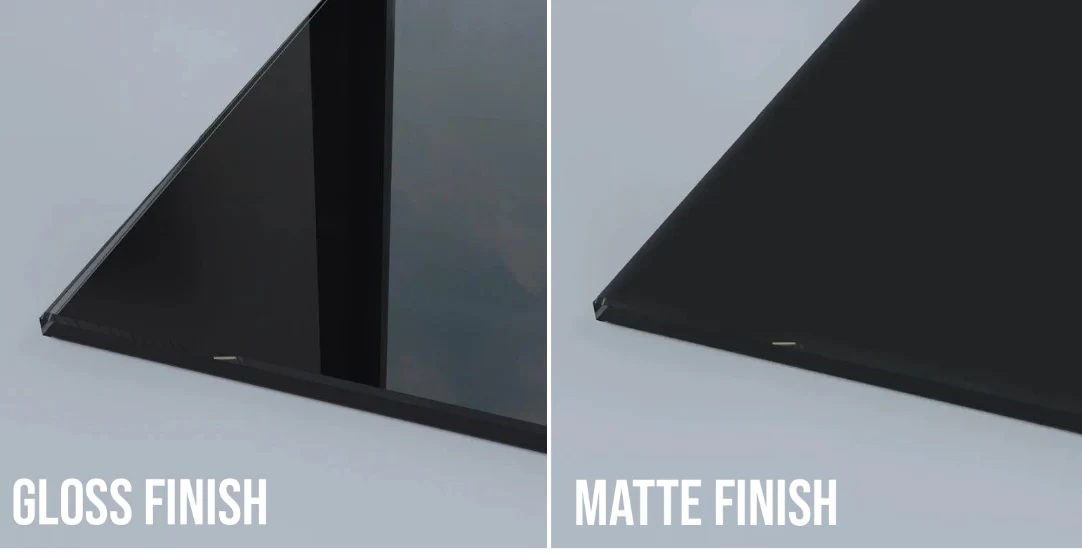
Before diving into the maintenance debate, it helps to understand what matte and gloss finishes actually are and how they are created.
What Is a Matte Finish?
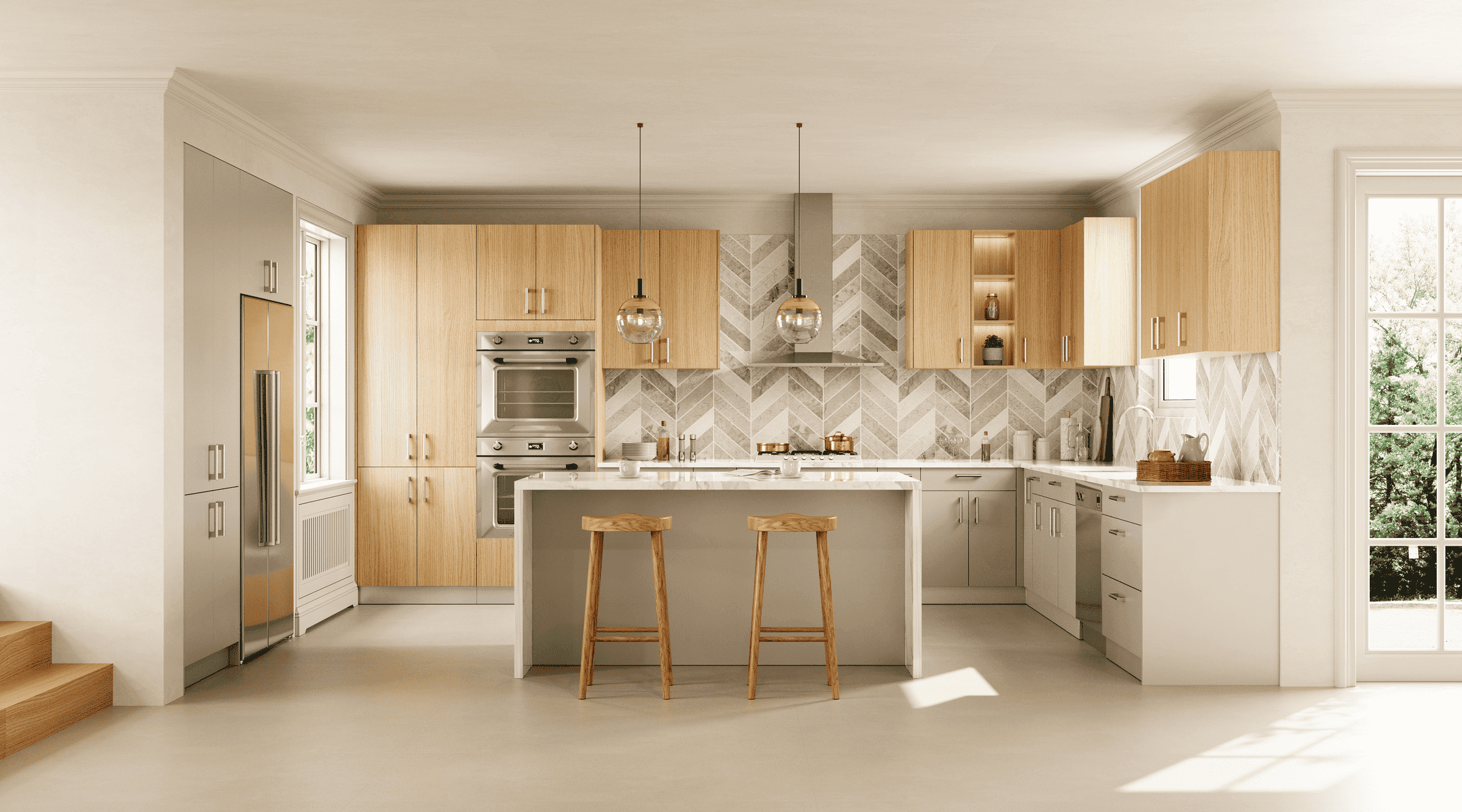
A matte finish is a low-sheen, non-reflective surface. It absorbs light rather than bouncing it back, giving cabinets and surfaces a soft, velvety, understated appearance. Matte finishes are typically achieved through specialised paints, lacquers, or thermofoil wraps that contain flatting agents to reduce gloss.
In recent years, matte has surged in popularity across modern and Scandinavian-inspired kitchen designs. Homeowners love its sophisticated, premium look — but many wonder whether that beautiful surface is practical to live with every day.
What Is a Gloss Finish?
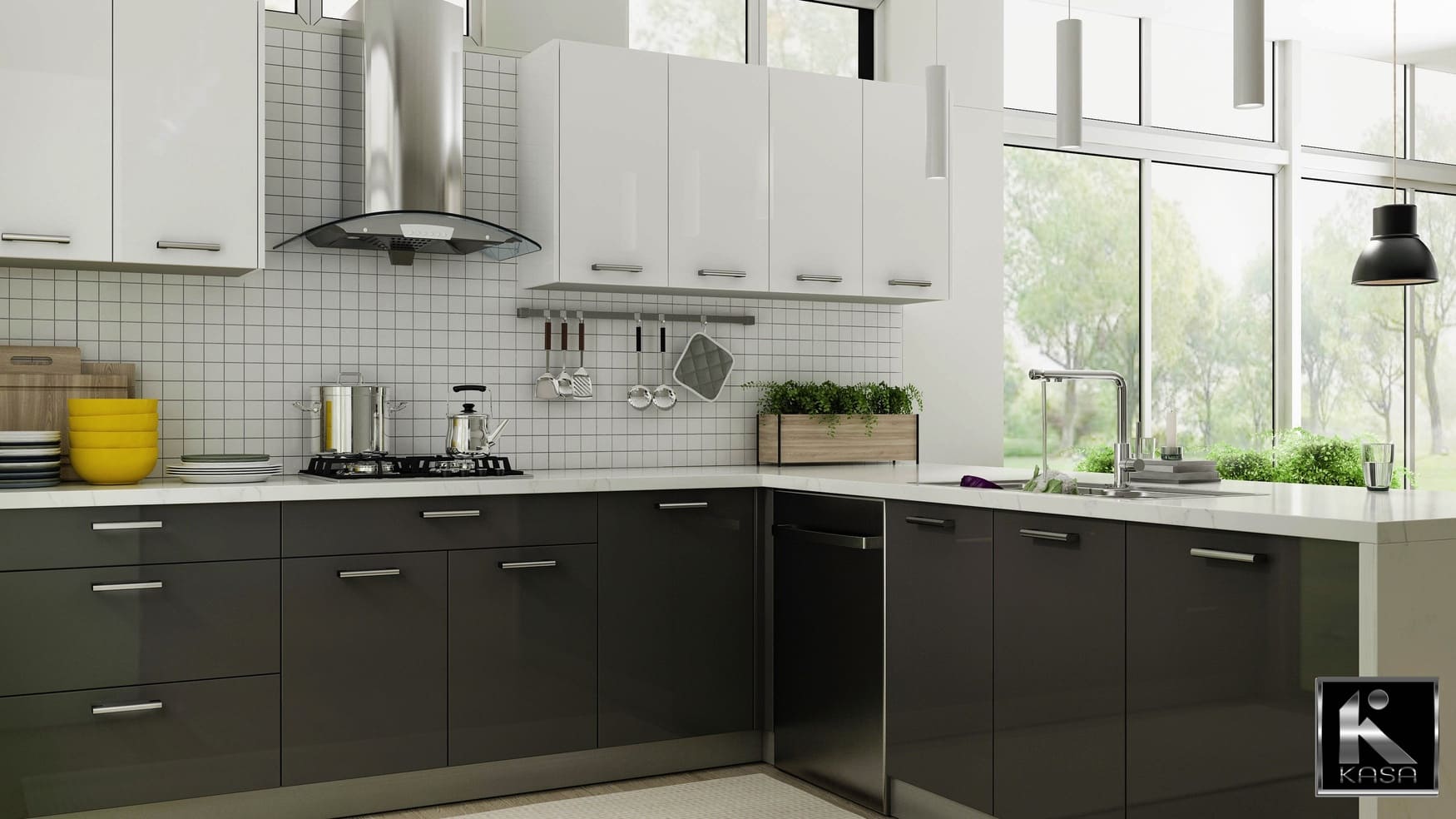
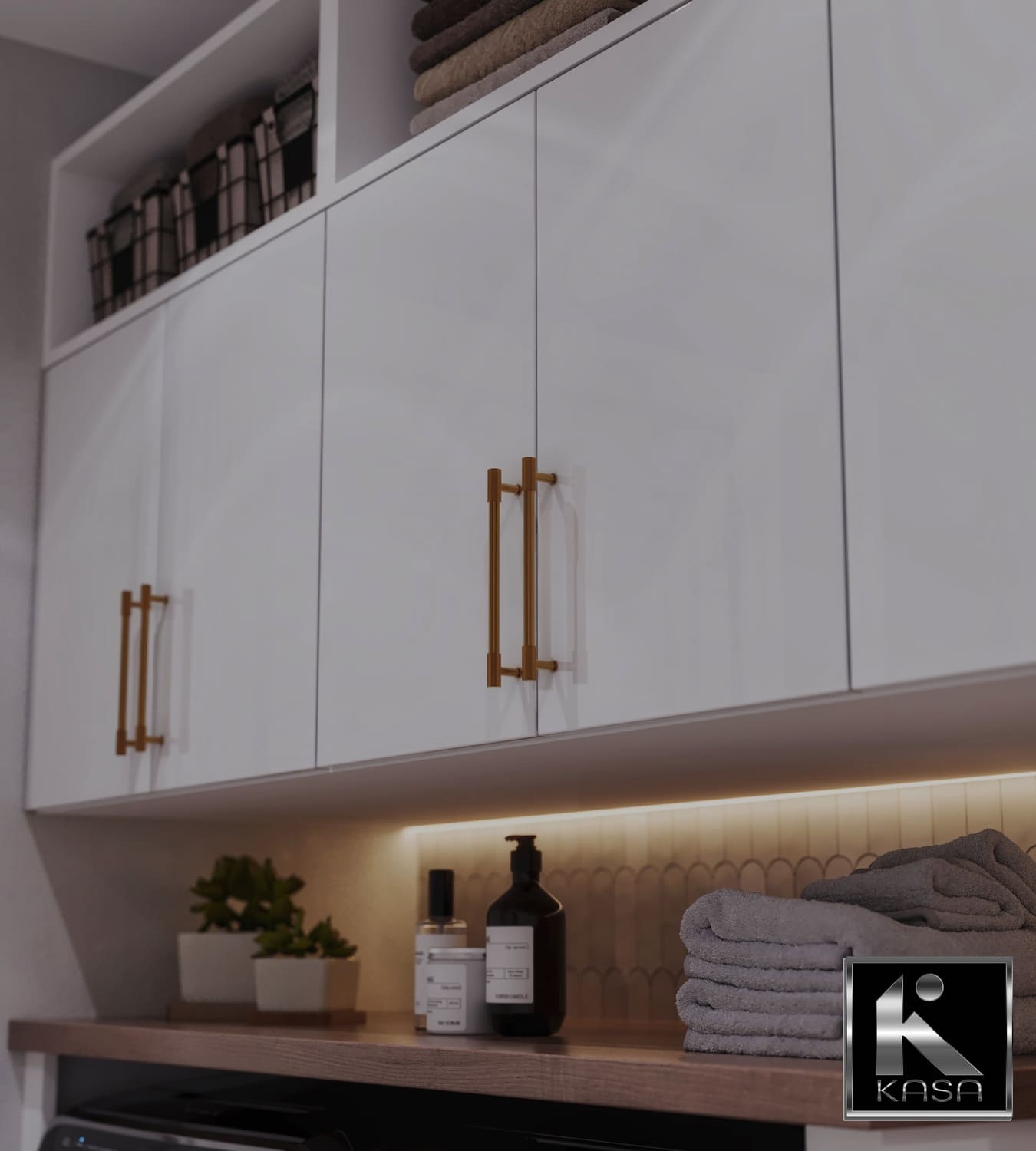
A gloss finish, by contrast, has a high-sheen, light-reflective surface. It creates a polished, sleek appearance and is a hallmark of contemporary and classic kitchen design alike. Gloss finishes are applied using high-gloss lacquers, acrylic wraps, or two-pack polyurethane paint, creating a hard, smooth outer layer.
Gloss kitchens have long been associated with cleanliness and hygiene because of how easy dirt and grease are to see — and wipe away.

| KASA Design Insight
Both matte and gloss finishes are available across our full range of cabinetry at KASA Kitchens. Our consultants will match the right finish to your kitchen style, lifestyle, and maintenance preferences during your free design consultation. |
See More: Which Cabinet Material Lasts Longer for Canadian Condos, Basements & Rentals?
The Core Maintenance Question: Daily Cleaning
Let us address the most pressing concern head-on — which finish is easier to clean on a day-to-day basis?
Cleaning a Gloss Kitchen
Gloss surfaces win the quick-clean battle. Their smooth, non-porous surface means a quick wipe with a damp microfibre cloth is usually all it takes to remove most spills, splatters, and grease. Food and liquids sit on the surface rather than being absorbed, making same-day cleanup fast and effective.
However, gloss finishes are notoriously unforgiving when it comes to fingerprints, smudge marks, and water streaks. In a busy household, this can mean your gorgeous gloss cabinets require daily polishing to keep them looking their best — especially in darker colour schemes.
Best cleaning method for gloss: Use a soft microfibre cloth with warm water or a mild, non-abrasive kitchen cleaner. Always wipe in the direction of the surface to avoid circular smear marks. Avoid harsh scouring pads or abrasive sprays — these will permanently scratch the surface.
Cleaning a Matte Kitchen
Matte surfaces tell a different story. Their textured, porous nature means they are far less likely to show fingerprints, smudges, or everyday handling marks — at least visually. For a household with young children or in a kitchen where surfaces are frequently touched, matte can actually look cleaner for longer without constant wiping.
However, the porous nature of matte finishes means that oils, grease, and food residue can penetrate the surface more easily if not cleaned promptly. Once grease embeds into a matte finish, it is significantly harder to remove than from a gloss surface — and harsh scrubbing can cause visible dulling or damage.
Best cleaning method for matte: Use a damp microfibre cloth with a mild, pH-neutral detergent. Blot stains rather than scrubbing. For stubborn grease, a diluted vinegar solution can be effective. Avoid abrasive cleaners entirely — they will strip the flat finish and leave shiny patches.
| Pro Tip from KASA Kitchens
Always test any cleaning product on a small, hidden area first — regardless of whether you have a matte or gloss kitchen. Many commercial spray cleaners contain silicone or wax agents that can cause buildup over time, particularly on matte finishes. |
See More: Best Cabinet Styles for Condos vs. Houses: A Complete Design Guide
Matte vs Gloss: A Head-to-Head Comparison
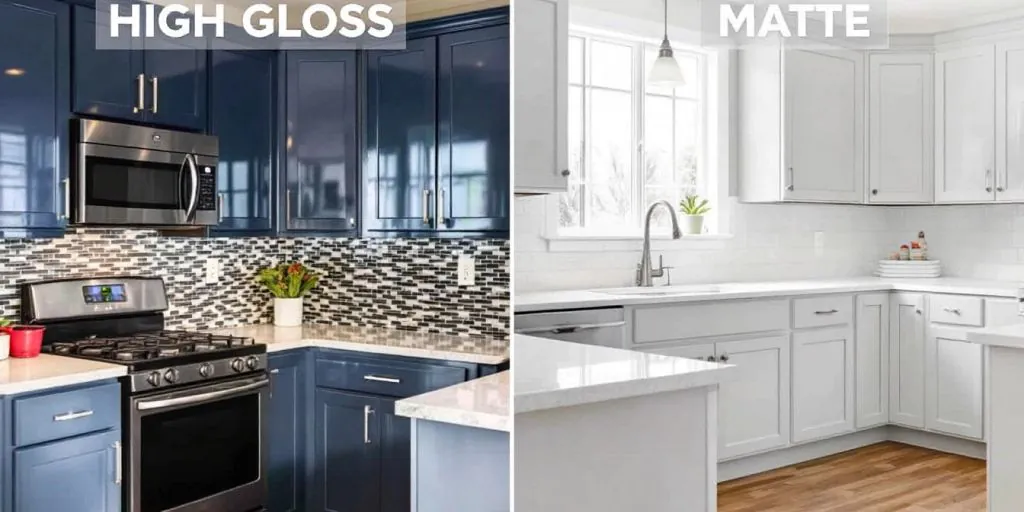
Let us break down the key maintenance factors side by side to help you make an informed decision.
| Feature | Matte Finish | Gloss Finish |
| Cleaning Ease | Harder — shows smudges less but needs gentle care | Easier — wipe-down with damp cloth |
| Scratch Visibility | Hides minor scratches well | Shows scratches more easily |
| Fingerprint Marks | Shows fingerprints clearly on dark tones | Fingerprints less visible |
| Water Resistance | Good, but can streak if wiped poorly | Excellent — water beads off |
| Touch-up Ability | Easier to spot-repair | Touch-ups more visible |
| Long-term Look | Ages gracefully, texture consistent | Can fade or yellow over time |
| Best For | Modern, minimalist kitchens | Traditional, high-traffic kitchens |
Scratch Resistance: Which Finish Holds Up Better?
One of the most frequently asked questions our KASA Kitchens designers hear is: “Which finish scratches more easily?”
Both matte and gloss finishes can be scratched — but they differ significantly in how visible those scratches are.
Scratches on Gloss Surfaces
Gloss finishes, while typically coated with a hard-wearing topcoat, show scratches far more visibly. Because light reflects so strongly off gloss surfaces, even hairline scratches can catch the light and become eyesores. This is particularly true with high-gloss dark cabinetry, where every minor scuff can appear magnified.
Over time, high-gloss surfaces in high-traffic areas (around handles, near appliances, along bench edges) will typically show more visible wear than matte alternatives.
Scratches on Matte Surfaces
Matte finishes are more forgiving when it comes to minor surface scratches. Because their surface scatters light rather than reflecting it, small scratches are far less visible to the naked eye. This makes matte finishes a popular choice for families with children or pet owners — environments where accidental contact with surfaces is inevitable.
That said, deep gouges or chips in matte surfaces can be tricky to repair cleanly. Touch-up paints or lacquers tend to blend more seamlessly on matte surfaces than on gloss, but a perfect, invisible repair is rarely achievable for either finish once the damage is significant.
| KASA Kitchens Recommendation
If your household is high-traffic — with children, pets, or lots of cooking activity — we generally recommend matte for lower and mid-height cabinetry, and gloss for upper cabinets or areas with less frequent handling. This gives you the best of both worlds aesthetically and practically. |
See More: Natural Wood Kitchens – Pros, Cons & When to Choose Them
Water and Heat Resistance
The kitchen is one of the most demanding environments in any home — steam from cooking, water splashes from the sink, and heat from appliances all put cabinet finishes to the test.
How Does Gloss Handle Moisture and Heat?
High-quality gloss finishes — particularly two-pack polyurethane — offer excellent water resistance. Water tends to bead and sit on the surface, making it easy to wipe away before it has a chance to cause damage. Well-applied gloss finishes are also reasonably resistant to steam and humidity, though prolonged exposure to extreme moisture (such as near a dishwasher) can cause delamination over time.
In terms of heat resistance, gloss finishes should not be placed in direct contact with hot cookware. Prolonged heat exposure can cause discolouration or surface distortion, particularly on acrylic wrap finishes.
How Does Matte Handle Moisture and Heat?
Matte finishes, while beautiful, tend to be slightly more vulnerable to prolonged moisture exposure. If water is allowed to sit on a matte surface for an extended period, it can leave behind marks or staining — particularly near sinks or dishwashers. Prompt wiping after splashes is important to preserve the appearance of a matte kitchen.
Heat resistance is broadly similar across matte and gloss finishes from reputable suppliers, though the same caution about direct heat contact applies. Always use trivets or heat pads near cooktops and never place hot pans directly on cabinetry.
Longevity: Which Finish Ages Better?
Thinking about the long game? When considering a kitchen renovation, most homeowners want their investment to look great for ten, fifteen, or even twenty years.
The Long-term Performance of Matte Finishes
One of the key advantages of matte finishes is how they age. The flat, non-reflective surface tends to maintain its appearance more consistently over time. Minor wear, small marks, and the natural patina that comes with years of daily use tend to blend in rather than stand out. Many homeowners report that their matte kitchens look virtually identical a decade after installation — provided they are maintained properly.
Matte finishes are also less prone to yellowing over time compared to some gloss finishes, particularly in kitchens with significant natural light exposure.
The Long-term Performance of Gloss Finishes
Gloss finishes can be stunning for many years — but they do require more consistent upkeep to maintain their showroom appearance. The reflective surface that makes gloss kitchens so dramatic also amplifies any signs of wear or ageing.
Additionally, some lower-quality gloss finishes — particularly cheaper acrylic wraps or polyurethane lacquers — can yellow with prolonged UV exposure. When choosing a gloss kitchen, investing in premium-quality materials from a reputable supplier is critical to long-term performance.
| KASA Quality Commitment
At KASA Kitchens, all of our matte and gloss finishes are sourced from premium suppliers and applied with industry-leading techniques. Our kitchens are designed to look exceptional for decades, not just months. Ask our team about our quality guarantees during your consultation. |
See More: Light vs Dark Cabinets – Which Makes Your Kitchen Look Bigger?
Which Finish Is Better for Different Kitchen Styles?
Maintenance is only one part of the equation — your finish should also complement the overall aesthetic of your kitchen and home.
Best Uses for Matte Finishes
- Modern and contemporary kitchens with handleless cabinetry
- Minimalist and Scandinavian-inspired designs
- Industrial-style kitchens with raw textures
- Dark or dramatic colour palettes (navy, charcoal, forest green)
- Kitchens where a warm, organic feel is desired
Best Uses for Gloss Finishes
- Classic and transitional kitchen designs
- White and light-toned kitchens to maximise brightness
- Small kitchens where reflected light creates an illusion of space
- Coastal or Hamptons-style kitchens
- Kitchens where a clean, hygienic appearance is a priority
Expert Maintenance Tips from KASA Kitchens
Regardless of which finish you choose, proper maintenance is the key to keeping your kitchen looking its best for years to come. Our experienced KASA Kitchens design team has compiled these expert care tips.
For Matte Finishes
- Clean spills and splatters promptly — do not let them sit
- Use only pH-neutral, non-abrasive cleaning products
- Wipe with a soft, damp microfibre cloth — never scrubbing pads
- Avoid wax-based polishes — they can cause uneven buildup on matte surfaces
- For grease near the cooktop, use a diluted dish soap solution and blot, do not scrub
- Periodically check and re-seal matte surfaces if recommended by your manufacturer
For Gloss Finishes
- Wipe down surfaces daily in high-use areas to prevent fingerprint buildup
- Use a microfibre cloth with warm water for everyday cleaning
- For stubborn marks, apply a small amount of isopropyl alcohol on a soft cloth
- Avoid any abrasive cleaners, steel wool, or rough sponges
- Polish periodically with a purpose-made high-gloss cabinet cleaner to maintain shine
- Address chips and scratches promptly to prevent moisture ingress beneath the surface
Making the Right Choice: Questions to Ask Yourself
Still unsure which finish is right for you? Ask yourself these questions before making your final decision.
- How busy is your household? High-traffic kitchens with children or frequent cooking tend to benefit from matte’s ability to hide everyday marks.
- How much time do you have for cleaning? If you prefer a quick daily wipe-down to keep things looking pristine, gloss is easier to spot-clean. If you prefer less frequent but more thorough cleaning, matte suits that approach.
- What is your kitchen’s colour palette? Light and bright kitchens often shine (literally) with gloss. Dark, dramatic kitchens look spectacular in matte.
- What is your aesthetic preference? There is no wrong answer here — but being honest about what look excites you most will serve you better than trying to optimise purely for practicality.
- What is your budget for maintenance products? Both finishes require specific cleaning products — investing in the right tools from day one makes a significant difference.
See More: HDF vs MDF vs Solid Wood for Kitchen Doors: Which Material Is Best for Your Kitchen?
The Verdict: Which Is Easier to Maintain?
After weighing all the evidence, here is our honest, expert assessment:
For quick, daily cleaning and visible hygiene, gloss finishes have a slight edge — spills wipe away faster and grease is less likely to embed into the surface. However, gloss demands consistency: it shows every fingerprint, smudge, and water streak, meaning it requires more frequent attention to keep looking its best.
For households that prefer low-fuss maintenance and a finish that hides the evidence of everyday life, matte is the more forgiving choice. It requires careful, gentle cleaning and prompt attention to spills — but it rewards you with a surface that looks consistently fresh without constant polishing.
Our ultimate recommendation? There is no universally “easier” finish — the right choice depends entirely on your lifestyle, your cleaning habits, and the way your household actually uses its kitchen. The best kitchen finish is the one that fits your life.
Frequently Asked Questions
Can I mix matte and gloss finishes in the same kitchen?
Absolutely — and this is a design approach we love at KASA Kitchens. Many of our most striking kitchen designs combine matte lower cabinetry with gloss upper cabinets, or use a gloss island bench against matte perimeter cabinetry. This creates visual interest while balancing the practical benefits of each finish.
Does matte or gloss add more value to a home?
Both finishes can add significant value when executed well. Current design trends favour matte finishes in premium renovations, but timeless gloss kitchens in neutral tones also have broad buyer appeal. Quality of materials and installation always matters more than the specific finish type when it comes to property value.
Are matte finishes more expensive than gloss?
Not necessarily — the price varies more based on the material (lacquer, thermofoil, acrylic, two-pack polyurethane) and the quality of the supplier than the finish type itself. At KASA Kitchens, we offer both finishes across a range of price points to suit every budget.
How do I repair a damaged matte or gloss cabinet?
Minor chips and scratches can sometimes be addressed with manufacturer-supplied touch-up kits. For more significant damage, a professional respray of the affected cabinet door is often the best solution. Our KASA Kitchens team can advise on repair and restoration options for both finish types.
Do matte finishes require special cleaning products?
Yes — matte finishes are more sensitive to chemical residues than gloss. We recommend pH-neutral, wax-free, and silicone-free cleaning products specifically formulated for matte kitchen surfaces. Avoid anything abrasive or bleach-based.
| Ready to Choose the Perfect Finish for Your Kitchen?
At KASA Kitchens, our expert designers help you navigate every detail — from cabinet finishes to full kitchen renovations. Get a personalised consultation today. Call us today for a FREE design consultation |
