


Blog
HDF vs MDF vs Solid Wood for Kitchen Doors: Which Material Is Best for Your Kitchen?
Mar
Choosing the right material for kitchen cabinet doors is one of the most important decisions when designing or renovating a kitchen. Cabinet doors are used every day, so they must be durable, visually appealing, and able to handle humidity and temperature changes.
Three of the most common materials used for kitchen cabinet doors are HDF (High-Density Fiberboard), MDF (Medium-Density Fiberboard), and solid wood. Each material has its own advantages, disadvantages, and ideal use cases. Understanding how these materials differ can help homeowners choose the best option for their kitchen style, budget, and long-term needs.
What Is HDF for Kitchen Cabinet Doors?
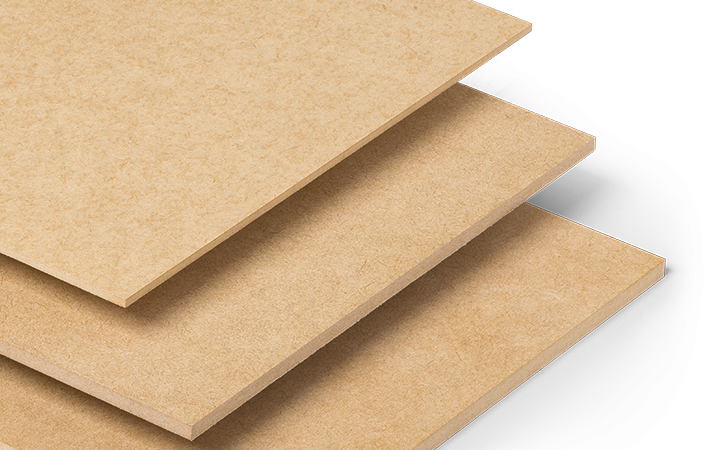
HDF (High-Density Fiberboard) is an engineered wood material widely used in modern kitchen cabinet manufacturing. It is produced by compressing fine wood fibers with resin under extremely high pressure and temperature, creating a dense and uniform board. Because the fibers are tightly compacted, HDF has a higher density than many other engineered wood materials, which makes it stronger, smoother, and more stable.
In kitchen cabinet production, HDF is commonly used for painted cabinet doors, decorative panels, and detailed door profiles. Its dense composition allows manufacturers to create clean edges, sharp grooves, and smooth surfaces that hold paint exceptionally well. This is why many contemporary kitchens, especially those with painted finishes, rely on HDF as a primary door material.
Compared with natural wood, HDF offers better dimensional stability. Solid wood can expand and contract as humidity levels change, which may lead to warping or small cracks over time. HDF, on the other hand, has a more consistent structure that reduces these risks, making it particularly suitable for environments like kitchens where temperature and humidity often fluctuate.
Another important reason HDF is popular in cabinet production is its uniform structure. Unlike natural wood, which contains knots, grain variations, or imperfections, HDF has a consistent composition throughout the board. This makes it easier for manufacturers to cut precise shapes and maintain consistent quality across large production runs.
See More: How to Upgrade Your Kitchen Without Overspending
Advantages of HDF for Kitchen Cabinet Doors
1. Extremely Smooth Surface for Painted Finishes
One of the biggest advantages of HDF is its exceptionally smooth surface. Because the wood fibers are compressed so tightly, the material has almost no visible texture or grain. This allows paint to adhere evenly and creates a flawless finish without the risk of grain lines appearing through the paint.
For this reason, HDF is often the preferred material for painted cabinet doors, including:
- Shaker-style cabinet doors
- Slim shaker doors
- Modern flat panel doors
- Decorative routed designs
The smooth surface also works well with high-end finishes such as matte paint, satin paint, or high-gloss lacquer.
2. High Density and Improved Durability
HDF is significantly denser than MDF, which gives it greater resistance to dents, surface damage, and daily wear. Kitchen cabinet doors are frequently opened, closed, and cleaned, so the material needs to be strong enough to maintain its shape and finish over time.
Because of its density, HDF:
- Holds screws and hinges securely
- Resists minor impact damage better than softer boards
- Maintains crisp edges and door profiles
This durability makes HDF a reliable option for kitchens that experience heavy daily use.
3. Better Dimensional Stability
Kitchens are environments where humidity and temperature change frequently due to cooking, steam, and cleaning. Materials that expand or contract too much can eventually warp or crack.
HDF performs well in these conditions because its engineered structure is more stable than solid wood. The compressed fibers create a uniform internal structure that reduces the risk of movement caused by moisture fluctuations.
As a result, HDF cabinet doors are less likely to:
- Warp
- Twist
- Crack along grain lines
This stability is especially valuable in modern homes with open kitchens, strong ventilation, or seasonal humidity changes.
4. Excellent for Detailed Door Designs
Another key benefit of HDF is its ability to hold detailed cuts and decorative shapes. Because the material is dense and uniform, cabinet manufacturers can precisely machine the board to create intricate door profiles.
This makes HDF suitable for a wide variety of cabinet styles, including:
- Classic shaker doors
- Slim shaker doors
- Beaded or grooved panels
- Modern geometric patterns
- Decorative routed cabinet fronts
The crisp edges created during machining also help paint finishes look cleaner and more refined.
5. Consistent Quality and Manufacturing Efficiency
Since HDF is manufactured under controlled conditions, every sheet has consistent thickness, density, and strength. This uniformity helps cabinet manufacturers maintain consistent product quality.
Compared with natural wood, HDF eliminates common issues such as:
- Wood knots
- Uneven grain patterns
- Natural warping
- Structural weaknesses in certain areas of the wood
This consistency is particularly beneficial for large kitchen projects where many cabinet doors must match perfectly.
See More: Solid Wood vs. Plywood: Which Is Better for Your Kitchen Cabinets?
Disadvantages of HDF
Despite its many advantages, HDF also has some limitations that homeowners should consider when choosing materials for kitchen cabinet doors.
Heavier weight
Because HDF is very dense, it is heavier than many other engineered wood materials. This usually is not a major issue for cabinet doors, but it can slightly increase transportation and installation effort.
Higher cost compared to MDF
While still more affordable than solid hardwood, HDF is typically more expensive than MDF. The higher density and manufacturing process contribute to this price difference.
Moisture sensitivity without proper sealing
Like most fiberboard materials, HDF can absorb moisture if the surface is not properly sealed with paint or protective coatings. If water penetrates the material, it may swell. However, high-quality cabinet doors are usually sealed with multiple layers of primer and paint, which significantly reduces this risk.
Best Use Cases for HDF Kitchen Cabinet Doors
Because of its smooth surface, durability, and stability, HDF is widely used in modern cabinet manufacturing. It is particularly suitable for:
- Painted shaker cabinet doors
- Slim shaker cabinet styles
- Flat panel modern cabinet doors
- Decorative routed cabinet designs
- High-quality lacquer or matte painted finishes
Many cabinet manufacturers also combine HDF with other materials to improve performance. For example, a cabinet door may feature a solid wood frame with an HDF center panel, combining the strength of hardwood with the stability and smooth finish of engineered fiberboard.
What Is for Kitchen Cabinet Doors?
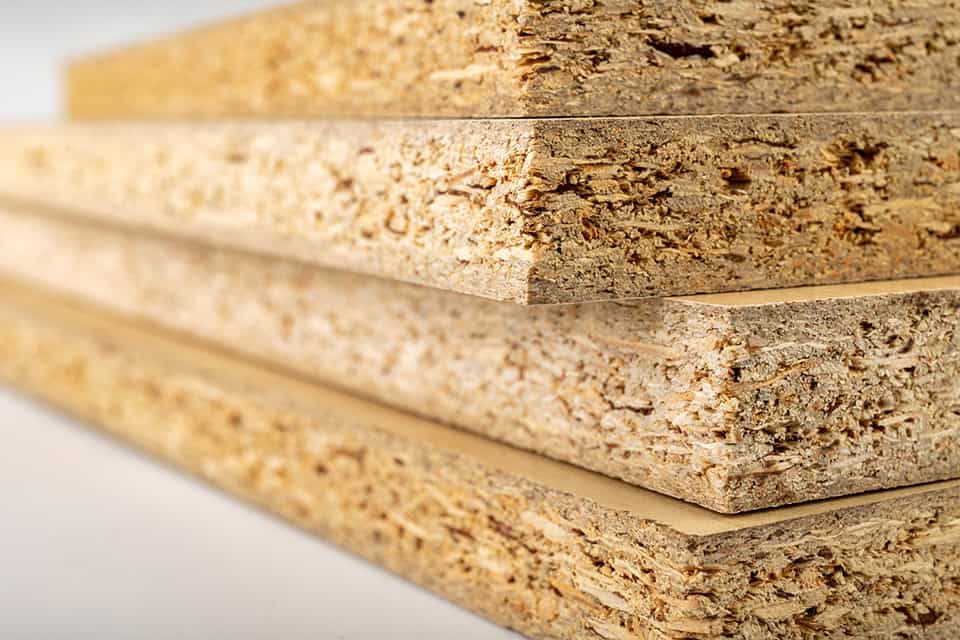
MDF (Medium-Density Fiberboard) is one of the most commonly used engineered wood materials in kitchen cabinet manufacturing. It is produced by breaking down wood into fine fibers, then combining those fibers with resin and compressing them under high pressure and heat to form solid panels. The result is a dense, smooth, and uniform board that can be easily cut, shaped, and finished.
Because of its affordability and versatility, MDF has become a popular choice for many cabinet manufacturers and homeowners. It provides a smooth surface for paint, consistent quality, and reliable structural stability, making it especially suitable for modern kitchens with painted cabinet doors.
Unlike natural wood, MDF does not contain knots, grain variations, or natural defects. This uniform composition allows cabinet makers to produce doors with clean edges and consistent profiles. As a result, MDF is frequently used in painted kitchen cabinet doors, shaker doors, and decorative cabinet styles.
Another reason MDF is widely used is its dimensional stability. Solid wood can expand and contract when humidity and temperature change, which sometimes leads to cracks or warped panels. MDF is less likely to experience these issues because its fibers are evenly distributed throughout the board, making it more stable under normal kitchen conditions.
Advantages of MDF for Kitchen Cabinet Doors
1. Cost-Effective and Budget-Friendly
One of the biggest advantages of MDF is its affordability. Compared with HDF or solid hardwood, MDF is typically less expensive to manufacture and purchase. This makes it an attractive option for homeowners who want a stylish kitchen without significantly increasing renovation costs.
Because of its lower price point, MDF is commonly used in:
- Budget-friendly kitchen remodels
- Large kitchen projects with many cabinets
- Rental property renovations
- New housing developments
Despite its affordability, MDF can still provide a clean and modern appearance when finished with high-quality paint or coatings.
2. Smooth and Uniform Surface
MDF has a very smooth surface because it is made from finely processed wood fibers that are evenly compressed. Unlike natural wood, it has no visible grain, knots, or imperfections.
This smooth texture makes MDF an excellent choice for painted cabinet doors, as paint adheres evenly across the surface. The final result is a consistent, professional-looking finish without the grain lines that often appear when painting solid wood.
Because of this characteristic, MDF works particularly well for cabinet styles such as:
- Shaker cabinet doors
- Flat panel doors
- Modern minimalist designs
- Decorative routed doors
Painted finishes like matte, satin, or semi-gloss coatings often look very smooth and refined on MDF surfaces.
3. Resistant to Cracking and Splitting
Solid wood can develop cracks over time due to natural expansion and contraction caused by humidity and temperature changes. MDF does not have natural grain patterns, so it is less likely to split or crack under normal conditions.
This stability helps cabinet doors maintain their shape and appearance over time, especially in kitchens where environmental conditions fluctuate due to cooking, steam, and ventilation.
Because of this, MDF is often preferred for large cabinet doors or detailed panel designs where wood movement could cause structural issues.
4. Easy to Shape and Machine
Another important advantage of MDF is how easy it is to work with during the manufacturing process. Its uniform density allows cabinet makers to cut, route, and shape the material with precision.
Manufacturers can easily create a wide variety of cabinet door styles using MDF, including:
- Shaker doors
- Raised panel doors
- Decorative routed patterns
- Modern slab doors
The material holds detailed shapes well, allowing designers to produce consistent decorative designs across multiple cabinet doors.
5. Consistent Quality Across Panels
Since MDF is manufactured in controlled conditions, each board has nearly identical density and thickness. This consistency helps cabinet manufacturers produce doors with predictable quality and minimal defects.
Unlike natural wood, MDF eliminates issues such as:
- Grain direction inconsistencies
- Natural wood knots
- Warping caused by uneven moisture content
This reliability is particularly important for large kitchen installations where all cabinet doors must match perfectly.
See More: Are ¾” Plywood Cabinets Really Worth the Upgrade?
Disadvantages of MDF
Although MDF has many advantages, there are also some limitations homeowners should consider when choosing cabinet door materials.
Softer than HDF
MDF is less dense than HDF, which means it can be slightly more vulnerable to dents or surface damage if it experiences strong impact.
Lower moisture resistance
If MDF is exposed to excessive moisture without proper sealing, it may absorb water and swell. However, high-quality cabinet doors are usually sealed with primer, paint, or laminate finishes that protect the material from moisture.
Heavier than some materials
MDF can be heavier than certain alternatives like plywood. While this usually does not affect cabinet performance, it may slightly increase the weight of large cabinet doors.
Best Use Cases for MDF Kitchen Cabinet Doors
Due to its affordability and versatility, MDF is widely used in many kitchen cabinet designs. It works especially well for:
- Painted kitchen cabinet doors
- Shaker-style cabinets
- Budget-friendly kitchen renovations
- Decorative cabinet door designs
- Modern kitchens with smooth painted finishes
Many cabinet manufacturers also combine MDF with other materials to improve performance. For example, a cabinet door might feature a solid wood frame with an MDF center panel, which reduces the risk of cracking while maintaining structural strength.
What Is Solid Wood for Kitchen Cabinet Doors?
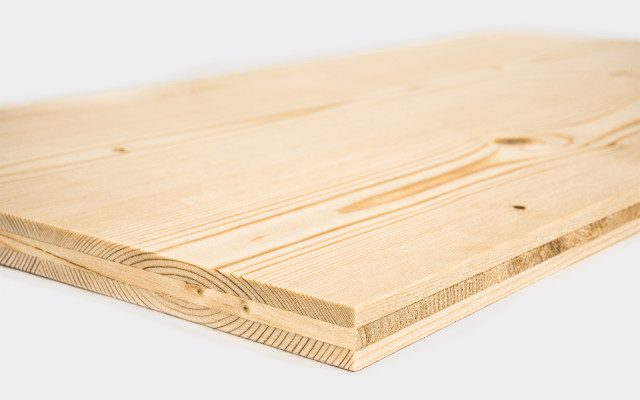
Solid wood cabinet doors are made from natural hardwood lumber rather than engineered wood products. These doors are typically crafted from wood species such as oak, maple, birch, walnut, or cherry. Because the material comes directly from natural timber, each piece of wood has unique grain patterns, textures, and color variations.
Solid wood has been used in cabinetry for centuries and is often associated with traditional craftsmanship and high-end kitchen design. Many homeowners prefer solid wood cabinet doors because of their natural warmth, durability, and timeless appearance.
Unlike engineered wood materials, solid wood highlights the beauty of natural grain. This makes it particularly suitable for stained finishes that showcase the wood’s character and texture.
Advantages of Solid Wood for Kitchen Cabinet Doors
1. Natural Beauty and Unique Grain Patterns
One of the most appealing qualities of solid wood is its natural appearance. Each piece of wood has distinct grain patterns that cannot be replicated exactly by manufactured materials.
These natural variations create a warm and authentic look that enhances many kitchen styles, including:
- Traditional kitchens
- Farmhouse kitchens
- Rustic or natural designs
- Luxury custom cabinetry
Stained finishes are often used with solid wood to highlight the natural grain and depth of the material.
2. Strong and Long-Lasting Material
High-quality hardwood cabinet doors are extremely durable and can last for decades when properly maintained. Many older homes still have original solid wood cabinets that remain functional after many years.
Hardwood species like maple or oak provide excellent strength, making them suitable for cabinets that experience frequent use.
With proper care, solid wood cabinet doors can remain attractive and structurally sound for a very long time.
3. Ability to Refinish and Restore
Unlike engineered wood materials, solid wood can be sanded and refinished multiple times. This means homeowners can update the appearance of their cabinets without replacing them entirely.
For example, solid wood cabinet doors can be:
- Repainted
- Restained with a different color
- Sanded to remove scratches or wear
This flexibility makes solid wood a long-term investment for homeowners who may want to change their kitchen style in the future.
4. Higher Perceived Home Value
Solid wood cabinets are often associated with high-end craftsmanship and premium kitchen design. Because of this, kitchens with solid wood cabinetry may increase the perceived value of a home.
Many buyers view natural wood cabinets as a sign of quality construction and durability, which can make a home more attractive on the real estate market.
See More: What Are the Best Kitchen Cabinet Materials for Basement Kitchens in Canada?
Disadvantages of Solid Wood
Despite its many advantages, solid wood also has some limitations that should be considered.
Higher cost
Solid wood is usually more expensive than engineered wood materials like MDF or HDF due to the cost of raw lumber and the additional craftsmanship required.
Sensitive to humidity changes
Because wood is a natural material, it can expand or contract as humidity levels change. Over time, this movement may lead to slight warping or separation in some areas.
Potential for cracking or movement
If solid wood cabinets are exposed to extreme dryness or humidity, small cracks or gaps may develop. Proper sealing and climate control can help minimize these issues.
Best Use Cases for Solid Wood Kitchen Cabinet Doors
Solid wood cabinet doors are typically used in kitchens where natural materials and long-term durability are priorities. They are especially suitable for:
- Traditional kitchen designs
- High-end custom cabinetry
- Luxury kitchen renovations
- Stained wood finishes that highlight natural grain
Because of its natural beauty and durability, solid wood remains one of the most desirable materials for premium kitchen cabinets.
HDF vs MDF vs Solid Wood: Key Differences
When comparing kitchen cabinet door materials, HDF, MDF, and solid wood each offer different strengths in terms of durability, cost, appearance, and long-term performance. Understanding these differences can help homeowners and designers select the most suitable material for their kitchen project.
Below is a simple comparison of the key characteristics of each material.
| Feature | HDF | MDF | Solid Wood |
| Durability | High | Medium | High |
| Cost | Medium | Low | High |
| Moisture Resistance | Medium | Low | Medium |
| Surface Smoothness | Very Smooth | Smooth | Natural Wood Grain |
| Best Finish | Painted | Painted | Stained or Natural |
| Weight | Heavy | Heavy | Medium |
While the table provides a quick overview, the real difference between these materials lies in how they perform in a kitchen environment and how they affect the overall design of your cabinetry.
HDF (High-Density Fiberboard) is known for its dense structure and exceptionally smooth surface. Because of its high density, HDF cabinet doors tend to be more durable than MDF and can hold detailed door profiles very well. The smooth surface also makes HDF an excellent option for painted finishes, especially modern kitchen styles such as shaker or flat-panel cabinets.
MDF (Medium-Density Fiberboard) is slightly less dense than HDF but remains one of the most commonly used materials in cabinet manufacturing. Its main advantage is affordability, making it a practical choice for homeowners who want attractive painted cabinets without the higher cost of solid wood. MDF also provides a smooth and consistent surface that works well for painted finishes.
Solid wood, on the other hand, is a natural material that offers a completely different visual appeal. Unlike engineered boards, solid wood displays natural grain patterns that add warmth and character to a kitchen. This makes it the preferred choice for stained or natural finishes where the beauty of the wood itself becomes part of the design.
However, each material has its own trade-offs. Engineered materials like HDF and MDF are more stable and consistent, while solid wood provides unmatched natural aesthetics but may react more to humidity changes.
See More: What Are Plywood Kitchen Cabinets? Are They Worth It?
Which Material Is Best for Kitchen Cabinet Doors?
There is no single material that is perfect for every kitchen. The best option depends on your design preferences, budget, and long-term expectations for durability and maintenance.
Choose HDF if:
- You want durable painted cabinet doors that resist dents and wear.
- Your kitchen design features modern or contemporary cabinet styles such as shaker or flat panels.
- You want a smoother and more refined painted finish compared with standard MDF.
- You prefer a material that offers a balance between durability and cost.
HDF is often considered a step above MDF for painted cabinets because its higher density provides stronger edges and cleaner door profiles.
Choose MDF if:
- You are working with a limited renovation budget.
- Your kitchen design uses painted cabinets rather than stained wood.
- You want a cost-effective material that still provides a smooth and modern appearance.
- The project involves many cabinets and you want to keep overall costs manageable.
MDF is a practical and widely used option for painted cabinet doors, especially in projects where affordability and consistent quality are priorities.
Choose Solid Wood if:
- You want a premium, natural appearance with authentic wood grain.
- Your kitchen design includes stained or natural wood finishes that highlight the character of the material.
- You prefer traditional, rustic, or luxury kitchen styles.
- Long-term durability and home resale value are important considerations.
Solid wood cabinets are often associated with craftsmanship and high-end design, making them a popular choice for custom kitchens.
Why Many Cabinet Manufacturers Combine Materials
In modern cabinet manufacturing, it is very common to combine different materials to take advantage of their strengths. This approach helps balance durability, stability, appearance, and cost.
For example, many cabinet doors are built with:
- A solid wood frame, which provides structural strength and natural beauty
- An MDF or HDF center panel, which offers better stability and reduces the risk of cracking or warping
This combination helps prevent common problems that occur when large solid wood panels expand or contract with humidity changes. The engineered center panel remains stable, while the solid wood frame maintains the traditional look and durability.
By combining materials strategically, manufacturers can produce cabinet doors that deliver excellent performance, visual appeal, and long-term reliability.
Final Thoughts
When comparing HDF, MDF, and solid wood for kitchen cabinet doors, there is no single material that is perfect for every kitchen. HDF offers durability and smooth painted finishes, MDF provides affordability and versatility, and solid wood delivers timeless beauty and long-term value.
Before making a final decision, consider your kitchen style, maintenance expectations, humidity conditions, and renovation budget. Choosing the right cabinet door material will ensure your kitchen remains functional, beautiful, and durable for many years.
If you are planning a kitchen renovation or looking for new cabinets, the team at KASA Kitchens is ready to help you explore your options and choose the best cabinet materials for your project.
Contact KASA Kitchens today to learn more about our kitchen cabinet collections and start planning your dream kitchen.
