


Blog
What Are Plywood Kitchen Cabinets? Are They Worth It?
Jan
In the world of modern kitchen interiors, the battle of materials never truly ends. We move from the luxury of Solid Wood, to the popularity of industrial MDF, to the water-resistance of PVC plastics. However, there is a “star” that is reclaiming its position and is highly rated by interior designers for both durability and aesthetics: Plywood Kitchen Cabinets.
This article serves as a comprehensive handbook, helping you understand the structure, pros and cons, and answering the most important question: Is spending money on Plywood cabinets actually worth it?
I/ Decoding Plywood – More Than Just “Glued Wood”
Many people confuse Plywood with cheap industrial woods like MDF or Particle Board (MFC). To understand its true value, we must look at its technical structure.
1.1. Technical Composition of Plywood
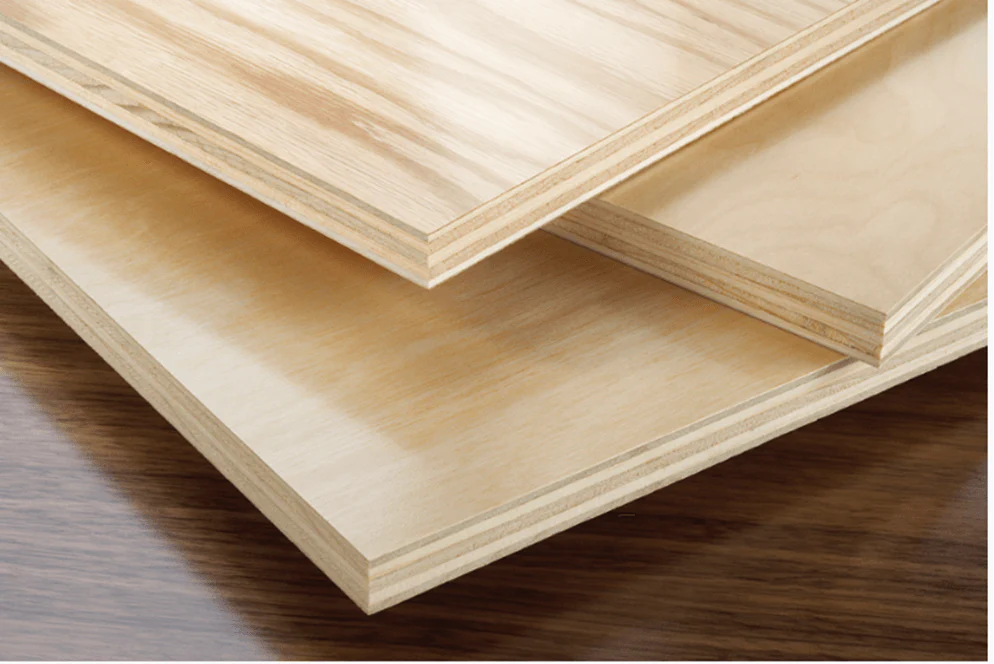
Plywood is made from multiple thin layers of wood (veneer), usually about 1mm thick. The secret to Plywood’s strength lies in the Cross-graining technique.
- The Principle: The veneer layers are stacked so that the grain direction of one layer is perpendicular (90 degrees) to the grain of the next layer.
- Bonding: These layers are pressed tightly under high heat and pressure using specialized adhesives (typically Phenol Formaldehyde or Urea Formaldehyde).
- The Result: This structure neutralizes the natural tendency of wood to warp. When one layer tries to shrink longitudinally, the horizontal layer next to it holds it in place. This gives Plywood superior dimensional stability compared to solid wood.
1.2. Key Components of Plywood for Kitchen Cabinets
A standard Plywood sheet for kitchen cabinets is typically 18mm thick and includes:
- Core: Usually made from plantation timbers like Eucalyptus, Acacia, Pine, or Birch. Hardwood cores are generally preferred over softwood cores for cabinetry.
- Glue: The deciding factor for water resistance.
- MR Glue (Moisture Resistant): Standard moisture resistance, used for dry interior areas.
- WBP Glue (Water Boiled Proof): This is the “key” for kitchen cabinets. This glue allows the board to be boiled in water for hours without delaminating (peeling apart).
See More: Top 99+ Most Beautiful and Modern Kitchen Cabinet Designs
II/ Plywood vs. The Competition
To know if Plywood is worth the money, we must place it on the scale against MDF (the most popular) and Solid Wood (the most traditional).
2.1. Plywood vs. MDF (Medium Density Fiberboard)
MDF is made from wood fibers mixed with wax and resin binder. It is the most common material for mid-range kitchens.
| Criteria | Plywood | MDF (Medium Density Fiberboard) |
| Structure | Thin layers of wood veneer cross-laminated | Wood fibers and glue compressed |
| Water Resistance | Excellent (especially Marine Grade/WBP) | Poor; tends to swell like a sponge when wet |
| Screw Holding | Excellent (grips screws like solid wood) | Average (holes become loose after re-screwing) |
| Weight | Lighter | Heavier |
| Sagging | Stiff; less likely to sag on long shelves | Prone to sagging without center support |
| Cost | 20-30% higher than MDF | Cheaper |
Verdict: If your kitchen has high humidity or the sink area is prone to leaks, MDF is a risky choice. Plywood wins absolutely regarding durability in damp environments.
2.2. Plywood vs. Solid Wood
Solid wood is the king of luxury, but Plywood is the king of stability.
- Warping: Solid wood (especially lower grades) is very prone to shrinking, expanding, and cracking when temperatures change. Plywood, thanks to its cross-grain structure, is almost inert to temperature changes.
- Cost: Plywood is cheaper than premium solid woods (Walnut, White Oak) but more expensive than rubberwood or pine.
- Aesthetics: Solid wood allows for carved details (Neoclassical style). Plywood is strictly for modern, flat-panel styles.
See More: How to Choose the Right Kitchen Cabinets for Canadian Kitchens
III/ Why Are Plywood Cabinets Considered “Worth It”? (The Pros)
This is the core section answering the article’s main question. Plywood isn’t cheap, but the Value for Money is incredibly high.
3.1. Timeless Durability (15-20 Year Lifespan)
A standard moisture-resistant MDF cabinet set lasts about 8-10 years before showing signs of degradation (swollen edges, sagging doors). High-end Plywood cabinets can last 20 years while maintaining structural integrity. Its load-bearing capacity is excellent; you can chop heavy items on the counter without worrying about the cabinet underneath cracking.
3.2. Impressive Water Resistance
Let’s be clear: Plywood is not plastic, so it isn’t 100% waterproof forever like PVC boards. However, Marine Grade Plywood or those using WBP glue have extreme water tolerance.
- The Test: Soak a piece of WBP Plywood in water for 72 hours, then dry it. The board returns almost to its original state without crumbling or delaminating. This is impossible with MDF.
3.3. Superior Screw Holding – The Overlooked Factor
Kitchen cabinets involve constant opening and closing of doors.
- With MDF: Over time, hinge screw holes widen because the fiber core crumbles, leading to sagging doors that won’t close tight.
- With Plywood: Thanks to the interwoven wood grains, screws bite deep into the fiber, holding hinges extremely tight. You can remove and re-install doors multiple times without stripping the holes.
3.4. Eco-Friendly and Safe
Plywood uses less glue compared to MDF (since MDF is a mixture of glue and fiber, while Plywood is wood sheets bonded by glue). Therefore, Formaldehyde emissions are generally lower, easily meeting E0 or Carb P2 standards (US), making it safe for enclosed kitchen spaces.
See More White Slim Shaker Kitchens
IV/ Drawbacks to Consider (The Flip Side)
No material is perfect. To be objective, we must look at the limitations of Plywood.
4.1. Higher Cost
Plywood is typically 20% to 40% more expensive than MDF, depending on the surface finish. This is a barrier for budget-conscious families. However, if calculated by Cost per Year (depreciation), Plywood is actually cheaper because it lasts twice as long.
4.2. Edges Need Careful Processing
When Plywood is cut, the edge reveals the stacked layers (looking like a wafer). To ensure aesthetics and prevent water intrusion, these edges must be covered with Edge Banding using specialized machinery. If done manually or with poor machinery, water will penetrate through these seams.
4.3. Surface Not Perfectly Smooth Like MDF
Because it is made from natural wood veneers, the surface of Plywood can sometimes have very microscopic ripples (telegraphing), though barely visible to the naked eye. MDF is compressed dust, so it is perfectly flat, making it a better substrate if you want a painted finish (High-gloss paint directly on wood).
View Full Kitchen Cabinet Collection
V/ Surface Finishes for Plywood Cabinets
Plywood itself is just the core. To create the look of the cabinet, we need a surface coating.
5.1. Melamine Faced Plywood
- Features: Decorative paper dipped in Melamine resin pressed onto the surface.
- Pros: Cheapest option, good scratch resistance, vast color variety.
- Cons: Doesn’t look as realistic as Veneer or High-pressure Laminate.
5.2. Laminate Faced Plywood
- Features: Thick Laminate sheet (0.7mm – 1mm) glued onto the Plywood core.
- Pros: “Heavy-duty,” impact-resistant, heat-resistant, highly scratch-resistant. This is the perfect combo for base cabinets (high-traffic areas).
- Aesthetics: Beautiful wood grains, stone patterns, and concrete looks.
5.3. Acrylic Faced Plywood
- Features: High-gloss mirror-finish plastic.
- Pros: Luxurious look, expands visual space, easy to clean grease.
- Note: It is often recommended to use Acrylic for upper cabinets only (to avoid scratches) and use a PVC or MDF core for Acrylic, as they provide a smoother mirror reflection than Plywood.
5.4. Veneer Faced Plywood (Real Wood Layer)
- Features: A thin layer of real hardwood (Walnut, Oak) glued onto the Plywood.
- Pros: Looks 100% like solid wood but is cheaper and doesn’t warp.
- Best for: Homeowners who love the rustic, warm style but want high technical durability.
VI/ Buying Guide: How to Buy Plywood Cabinets Without Getting Scammed
The market is full of confusing terms regarding “plywood.” Here is a checklist to verify quality:
6.1. Check the Core
- Ask the fabricator to commit to the type of wood core. Is it plantation hardwood (Acacia/Eucalyptus) or soft scrap wood?
- Tip: Look at the cut edge. If the layers are tight, with no voids (holes/gaps between layers), and the glue lines are thin and even, it is good Plywood. If you see many holes (voids) in the layers, it is low quality and structurally weak.
6.2. Check the Glue
Ask the supplier: “What glue is used in this board?”
- If they hesitate, be wary.
- Demand a commitment to WBP (Phenolic) glue if it is for the sink area.
- You can request a boiling test on a sample piece.
6.3. Emission Standards
If you have children, request Plywood that meets Carb P2 or E0 standards. Avoid E2 boards for home interiors due to the pungent smell and toxicity.
6.4. Manufacturer and Machinery
Plywood is very hard—much harder than MDF. To cut it cleanly without chipping and to apply edge banding durably, the factory must have high-end sliding table saws and automatic edge-banding machines (with milling, trimming, and polishing functions). Avoid small manual workshops that lack specialized edge-banding equipment.
See More Natural Wood Kitchens
VII/ Maintenance Routine for Long-Lasting Cabinets
Even though Plywood is durable, maintenance is key.
- Clean Immediately: Wipe up standing water and grease immediately after cooking. Even with good water resistance, water left in crevices for days can eventually cause staining or edge peeling.
- Use Mild Cleaners: Avoid harsh acidic chemicals or steel wool pads on the surface (especially for Acrylic and Melamine).
- Check Plumbing: Periodically check the sink trap/siphon. Slow, hidden leaks inside the cabinet are the enemy of all materials, even Plywood.
Are Plywood cabinets termite-proof?
No, standard plywood cabinets are not termite-proof. They are made from layered wood veneers glued together, which termites can easily infest and damage over time, especially in humid areas like Ho Chi Minh City.
Termite-Resistant Options
Specially treated plywood, infused with anti-termite chemicals via vacuum pressure during manufacturing, resists termite feeding, reproduction, and tunneling. These variants, often labeled BWR grade or ISI-certified, suit cabinets, kitchens, and wardrobes effectively.
Regular vs. Treated Plywood
| Feature | Regular Plywood | Termite-Resistant Plywood |
| Termite Protection | None | High (chemical treatment) |
| Moisture Resistance | Low | High (prevents fungal attractants) |
| Durability | Short-term | Long-term |
| Best Use | Dry interiors | Kitchens/cabinets |
Maintenance Tips
Even treated plywood benefits from sealants like polyurethane and regular inspections to block termite entry points. Laminates or particleboard with resins offer extra resistance, outperforming untreated plywood.
Should I use Plywood for the entire kitchen or just parts of it?
Plywood works well for kitchen cabinets in humid climates like Ho Chi Minh City due to its strength and warping resistance, but use it selectively rather than for the entire kitchen.
Recommended Uses
Opt for BWR or marine-grade plywood (at least 18mm thick) for the main carcass, frames, shelves, and shutters, as it handles moisture and termites effectively. Reserve it for high-stress areas like base cabinets near sinks to balance durability and cost.
Alternatives Comparison
| Material | Best For | Pros | Cons |
| Plywood (BWR/Marine) | Carcass, shelves | Durable, water/termite-resistant | Higher cost |
| MDF | Doors, painted panels | Smooth finish, affordable | Less moisture-resistant |
| MFC/Particleboard | Budget interiors | Cheap | Weak in humidity |
Key Considerations
Hybrid designs combining plywood carcasses with MDF or laminate doors save money while maximizing longevity in Vietnam’s tropical conditions. Always add moisture barriers and ventilation for best results.
Can Plywood be painted?
Yes, plywood can be painted effectively, especially cabinet-grade varieties used in kitchens, though proper preparation ensures the best finish and longevity.
Preparation Steps
Clean surfaces thoroughly to remove grease, then sand with medium-grit sandpaper for smoothness. Apply a high-quality wood primer to seal the porous grain and prevent bleed-through before painting.
Painting Tips
Use MDF-core or smooth-faced plywood for optimal paint adhesion, as it minimizes imperfections better than rougher grades. Apply thin coats of latex or oil-based paint, allowing drying between layers, and finish with a protective topcoat like polyurethane for durability in humid kitchens.
Best Practices
Plywood outperforms particleboard for painted cabinets due to superior screw-holding and warp resistance, but avoid over-sanding edges to maintain strength.
What is the difference between Cheap Plywood and Branded Plywood?
Cheap plywood typically uses lower-grade wood, weaker adhesives, and minimal treatments, leading to faster wear, warping, and vulnerability to termites and moisture. Branded plywood employs superior materials, advanced bonding, and chemical protections for greater durability and reliability.
Key Differences
| Aspect | Cheap Plywood | Branded Plywood |
| Quality & Core | Irregular layers, prone to gaps | Uniform, dense hardwood core |
| Treatments | Basic or none | Termite/moisture-resistant |
| Durability | Short-term, sags under load | Long-lasting, warp-resistant |
| Warranty | None | Often 10+ years |
| Price (VND/sheet) | 400k-600k | 800k-1.2M (better value long-term) |
Practical Advice
For HCMC kitchen cabinets, choose branded BWR plywood to avoid repairs in humid conditions; cheap options suit low-use areas only. Verify ISI marks and buy from certified dealers.
How to distinguish Plywood from Finger-joint wood?
Plywood and finger-joint wood differ fundamentally in construction, making them distinguishable by visual inspection and simple tests.
Construction Differences
Plywood consists of multiple thin veneer layers glued with alternating grain directions for stability, while finger-joint wood joins short solid wood pieces end-to-end using interlocking “finger” joints, retaining a continuous natural grain.
Visual Identification
| Feature | Plywood | Finger-Joint Wood |
| Edge Appearance | Layered thin veneers visible | Interlocking finger-shaped joints |
| Grain Pattern | Crossed/multidirectional | Uniform, straight like solid wood |
| Texture | Smooth, uniform surface | Natural wood feel, possible joint lines |
Quick Tests
Knock on the surface: plywood sounds hollow due to layers, whereas finger-joint feels denser like solid wood. Check weight—plywood is lighter; split a sample edge if possible to reveal plywood’s thin plies versus finger-joint’s thicker solid segments. For HCMC kitchens, plywood suits moisture-prone carcasses better.
