


Blog
Natural Wood Kitchens – Pros, Cons & When to Choose Them
Apr
Natural wood kitchens have become a top trend in modern interior design—bringing warmth, texture, and timeless beauty into the heart of the home.
But while they look stunning in photos, they’re not always the right choice for every space or lifestyle.
So how do you know if a natural wood kitchen is right for you? This guide will break it down clearly—when to choose it, when to avoid it, and how to get the best results.
What Is a Natural Wood Kitchen?
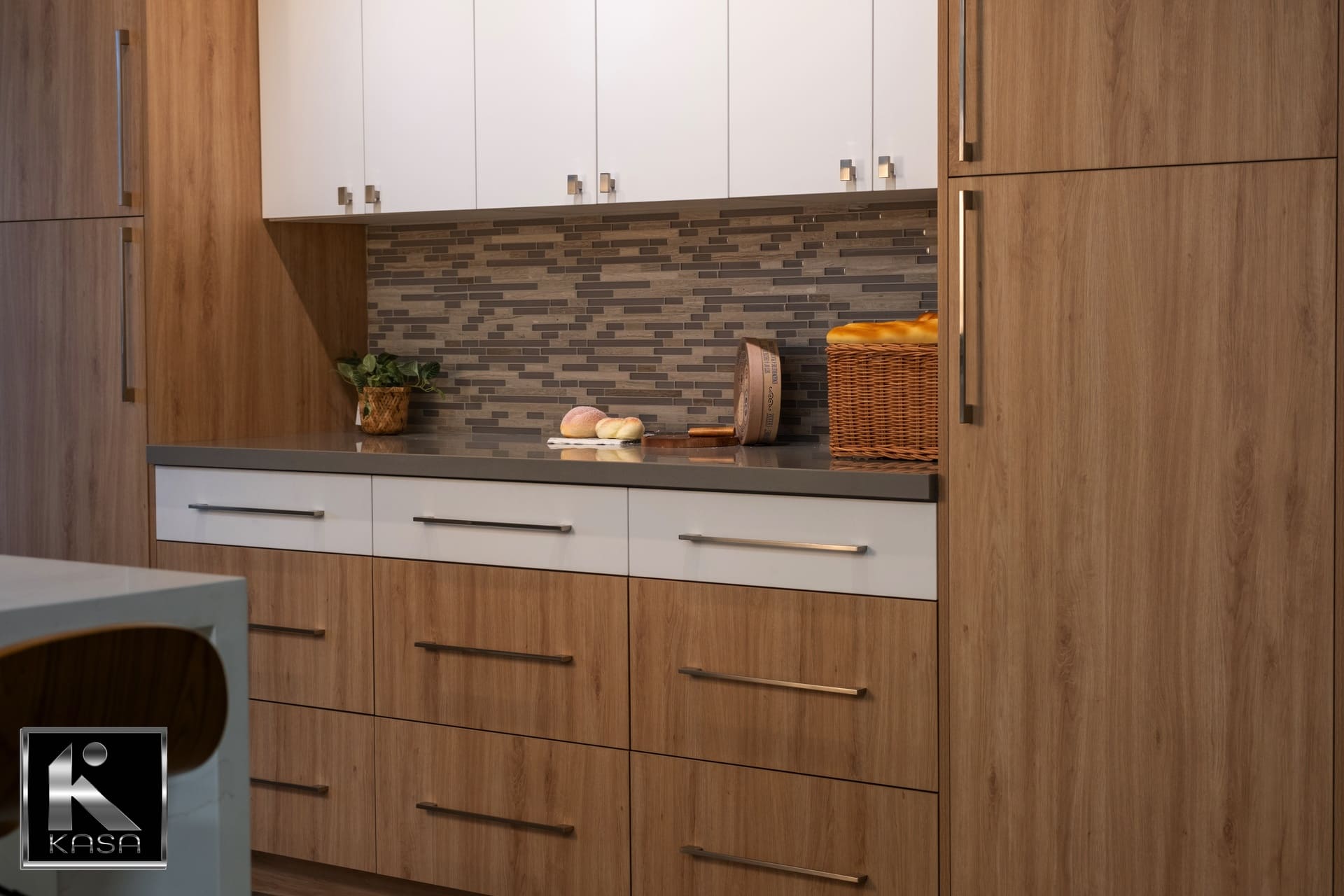
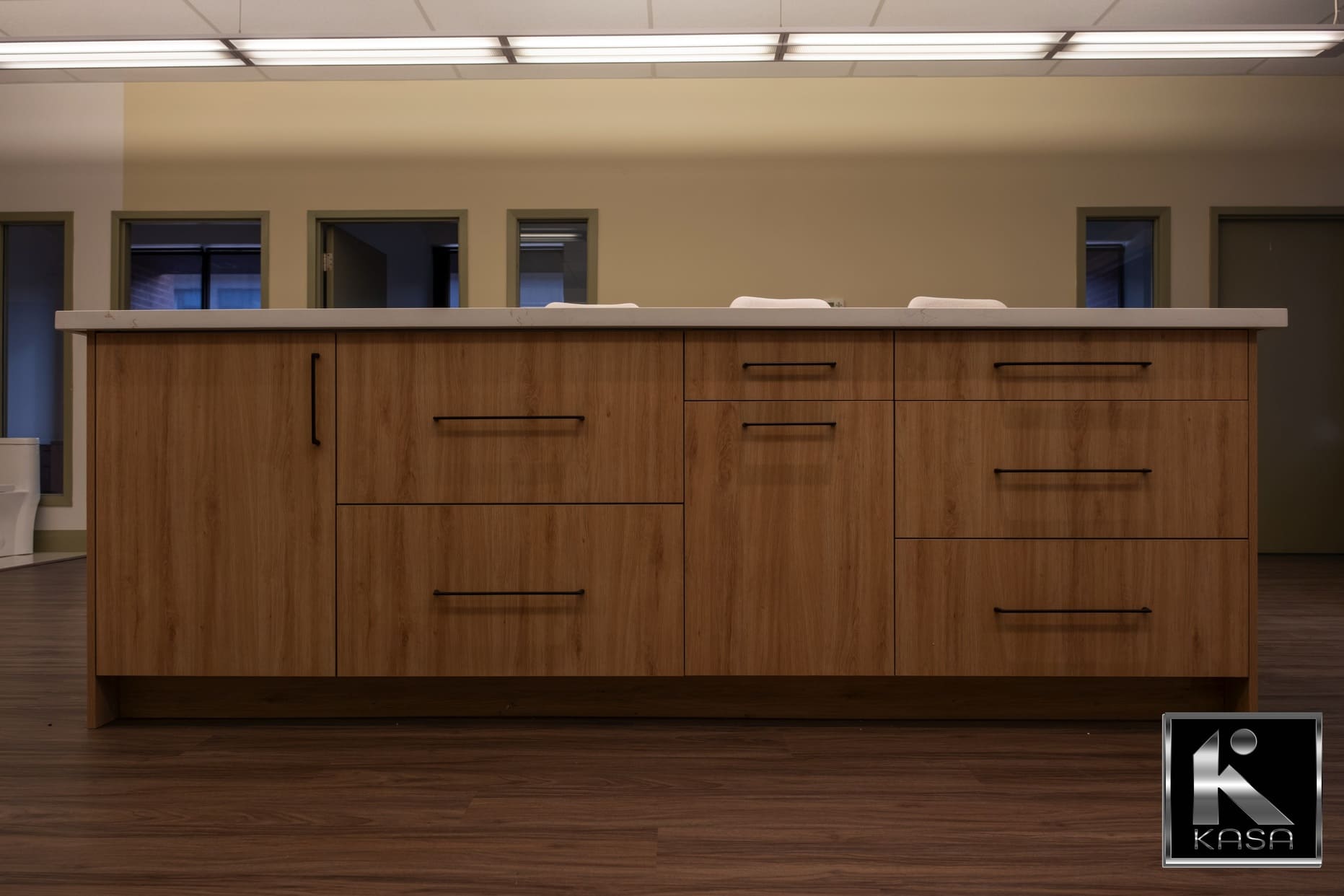
A natural wood kitchen is more than just a design choice—it’s a philosophy of living that embraces authenticity, warmth, and a connection to nature. Instead of hiding materials behind thick paint layers or synthetic finishes, this style celebrates the raw beauty of wood grain, texture, and tone.
Typically, natural wood kitchens use a combination of:
- Solid wood (such as oak, walnut, maple): known for its strength, durability, and unique grain patterns that make every cabinet one-of-a-kind
- Wood veneer: a thin layer of real wood applied to a core material, offering the look of solid wood at a more accessible cost
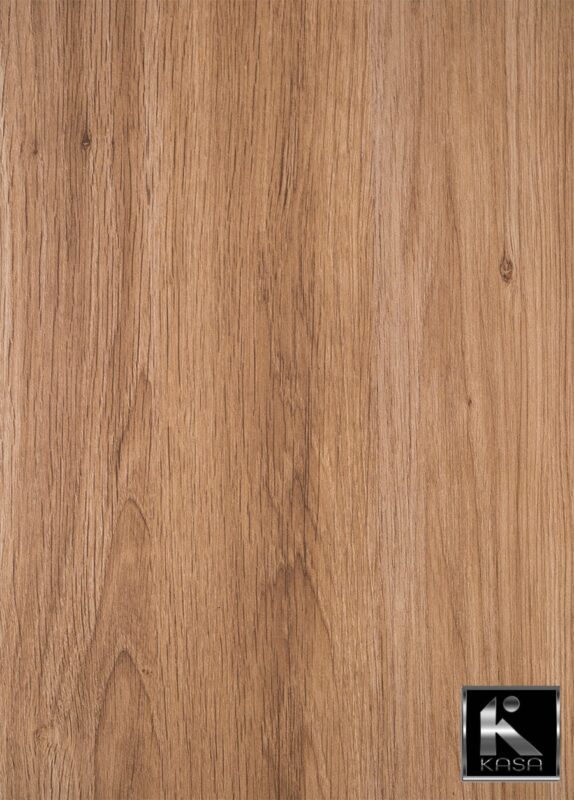
- Wood-look finishes: advanced laminates or engineered surfaces designed to replicate natural grain with impressive realism
What defines this style is not just the material—but the intentional design approach:
- Preserving natural imperfections like knots and grain variation
- Using warm, earthy tones instead of bold artificial colors
- Creating a space that feels organic, calm, and timeless
In essence, a natural wood kitchen is about bringing the outdoors inside, creating a space that feels grounded, relaxing, and truly livable.
See More: Top 99+ Most Beautiful and Modern Kitchen Cabinet Designs
When You SHOULD Choose a Natural Wood Kitchen
1. When You Want a Warm & Inviting Space
One of the strongest reasons homeowners choose natural wood is the emotional impact it creates. Unlike cold or overly polished materials, wood introduces a sense of comfort that you can feel immediately when stepping into the space.
Natural wood kitchens tend to feel:
- Cozy – soft tones and textures reduce visual harshness
- Comfortable – ideal for everyday living, not just display
- Lived-in – the space feels personal and welcoming rather than sterile
This makes them especially suitable for:
- Family homes where the kitchen is a central gathering place
- Open-concept layouts where the kitchen blends into living areas
- People who value a homey atmosphere over a showroom look
Compared to high-gloss or ultra-modern kitchens, natural wood creates a deeper emotional connection, making your kitchen feel like the true heart of your home.
2. When You Love Timeless Design
In a world of fast-changing trends, natural wood stands out as a design constant. While colors, finishes, and styles evolve every few years, wood has remained relevant across decades—and even centuries.
Why natural wood is timeless:
- Each wood type (oak, walnut, ash) has enduring visual appeal
- It adapts easily to different styles—from classic to modern
- It ages gracefully, often looking better over time
Unlike trendy finishes that may feel outdated quickly, wood offers:
✔ Long-term design stability
✔ Strong resale appeal
✔ Flexibility for future updates (e.g., changing handles, countertops, or backsplash)
Choosing a natural wood kitchen is not just about current aesthetics—it’s about future-proofing your space.
3. When Your Space Gets Good Natural Light
Lighting plays a crucial role in how natural wood appears. Wood surfaces interact beautifully with light, revealing layers of texture and depth that artificial materials often lack.
In well-lit kitchens:
- Sunlight enhances the grain detail and natural variation
- Light wood tones (like ash or oak) can make the space feel brighter and more open
- Shadows and highlights create a subtle, dynamic visual effect throughout the day
This makes natural wood especially effective in:
- Kitchens with large windows
- Open-plan homes with good daylight flow
- Spaces connected to outdoor views (gardens, patios, etc.)
Without sufficient light, wood can appear flat or heavy. But with the right lighting, it becomes a living design element that evolves throughout the day.
4. When You Prefer Minimalist or Scandinavian Style
Natural wood is a key material in some of today’s most محبوب (popular) design movements, especially minimalist, Scandinavian, and Japandi styles.
These styles emphasize:
- Simplicity and clean lines
- Neutral color palettes
- Functional, uncluttered spaces
Natural wood fits perfectly because it:
- Adds warmth without visual clutter
- Provides texture without needing excessive decoration
- Balances the simplicity of white or neutral backgrounds
Common pairings include:
- Wood cabinets + white walls
- Wood textures + matte black accents
- Light wood + soft neutral tones (beige, grey, off-white)
If you want a kitchen that feels calm, modern, and effortlessly stylish, natural wood is one of the best choices.
5. When You Value Sustainability
As more homeowners become environmentally conscious, natural wood kitchens are increasingly seen as a responsible design choice—when sourced and used correctly.
Key sustainability benefits:
- Renewable resource when harvested responsibly
- Long lifespan, reducing the need for frequent replacement
- Biodegradable compared to synthetic materials
Additionally, high-quality wood cabinets can:
- Be refinished instead of replaced
- Adapt to new styles over time
- Maintain structural integrity for decades
However, sustainability depends on:
- Responsible sourcing (certified wood)
- Efficient manufacturing processes
- Proper maintenance to extend lifespan
Choosing natural wood is not just about aesthetics—it’s about investing in a long-term, environmentally mindful solution for your home.
See More: How to Choose the Right Kitchen Cabinets for Canadian Kitchens
When You SHOULD NOT Choose a Natural Wood Kitchen
While natural wood kitchens offer undeniable beauty and warmth, they are not always the most practical or cost-effective choice. In some situations, choosing wood without careful consideration can lead to higher expenses, maintenance challenges, or even long-term dissatisfaction.
Below are the key scenarios where natural wood may not be the best fit—and what you should consider instead.
1. When You Have a Tight Budget
Natural wood—especially solid wood—is often positioned in the premium category of kitchen cabinetry, and for good reason. It involves higher raw material costs, more complex manufacturing, and often more detailed craftsmanship.
But the real cost goes beyond just the initial purchase.
You may face:
- Higher upfront material costs compared to MDF, laminate, or thermofoil
- Increased labor costs, as wood requires careful handling and finishing
- Ongoing maintenance expenses, such as resealing or refinishing over time
Additionally, premium wood types like walnut or oak can significantly raise the overall budget, especially in larger kitchens.
If you’re working within a strict budget, investing heavily in natural wood might mean compromising on other important elements like:
- Quality hardware
- Functional storage solutions
- Appliances or lighting
Smarter alternative:
Opt for wood veneer or wood-look laminate, which can replicate the natural grain appearance at a much lower cost while still delivering a warm aesthetic.
2. When Your Kitchen Has High Humidity
Wood is a natural, porous material, which means it reacts to environmental conditions—especially moisture.
In high-humidity environments, wood can:
- Expand and contract due to moisture absorption
- Warp or bend, affecting door alignment
- Develop cracks or surface damage over time
This is particularly problematic in kitchens that:
- Lack proper ventilation or exhaust systems
- Are frequently exposed to steam (heavy cooking, boiling, etc.)
- Are located in humid climates or near coastal areas
Even with protective coatings, wood still requires ongoing care and monitoring to maintain its condition.
Without proper maintenance, what starts as a beautiful kitchen can gradually lose its structure and finish quality.
Better alternative:
Consider moisture-resistant materials such as:
- High-quality laminate
- Acrylic finishes
- Engineered boards with protective coatings
These materials offer greater stability in challenging environments while still providing attractive design options.
3. When You Prefer a Sleek, Ultra-Modern Look
Natural wood brings warmth, texture, and organic variation—but that’s not always desirable in every design direction.
If your ideal kitchen leans toward:
- High-gloss, reflective surfaces
- Sharp, seamless lines
- Minimal visual texture
- Futuristic or luxury-modern aesthetics
Then natural wood may actually work against your vision.
Why?
Because wood inherently introduces:
- Visible grain patterns
- Color variation
- A softer, more organic feel
These characteristics can clash with ultra-modern concepts that prioritize uniformity, precision, and visual simplicity.
In this case, wood may feel “too warm” or “not clean enough” for the look you’re trying to achieve.
Better alternative:
Go for finishes like:
- Acrylic (high-gloss or matte)
- Lacquered surfaces
- Glass or metal accents
These materials deliver the crisp, polished appearance typical of modern luxury kitchens.
4. When You Want a Low-Maintenance Kitchen
One of the biggest trade-offs with natural wood is maintenance.
Unlike synthetic materials that are designed to resist wear and tear, wood requires ongoing care to preserve its appearance and durability.
Typical maintenance includes:
- Regular cleaning with appropriate products (not too harsh or too wet)
- Periodic resealing or refinishing to maintain protection
- Careful use to avoid scratches, dents, or stains
Over time, daily wear can become visible:
- Scratches from utensils or heavy use
- Water marks near sinks
- Fading or discoloration from sunlight exposure
If your lifestyle is busy, or if you simply prefer a “set it and forget it” kitchen, natural wood may feel like a burden rather than a benefit.
Better alternative:
Choose materials known for durability and ease of care, such as:
- Laminate (high resistance to scratches and stains)
- Thermofoil (easy to clean, consistent finish)
- Matte anti-fingerprint surfaces
These options allow you to enjoy a beautiful kitchen without constant upkeep.
5. When Your Space Is Small or Lacks Natural Light
While wood can enhance a space, it can also work against it if not used carefully—especially in smaller or darker kitchens.
Darker wood tones in particular can:
- Absorb light rather than reflect it
- Make the space feel more enclosed or heavy
- Reduce the sense of openness
In compact kitchens, this can lead to:
- A visually crowded environment
- Less perceived space
- A darker, less inviting atmosphere
Even lighter wood tones, if overused, can still feel overwhelming without proper balance.
The result is a kitchen that feels smaller than it actually is.
Better approach:
If you love wood but have a small space:
- Use light wood tones sparingly
- Combine wood with white or light-colored cabinets
- Incorporate reflective surfaces (glass, light countertops, backsplashes)
Or consider switching to brighter materials entirely to maximize the sense of space.
Pros & Cons Summary
Pros:
- Timeless beauty
- Warm and inviting
- Unique natural grain
- Long-lasting
Cons:
- Higher cost
- Sensitive to moisture
- Requires maintenance
- Can darken spaces
Expert Tips for Choosing Natural Wood Kitchens
- Choose lighter tones for small spaces
- Combine wood with white or neutral cabinets
- Use matte finishes for a modern look
- Invest in quality sealing to protect against moisture
- Mix materials (wood + laminate) to balance cost
Best Alternatives to Natural Wood
If you love the look but want more practicality:
- Wood-look laminate (budget-friendly)
- Thermofoil finishes
- Veneer cabinets (real wood surface, lower cost)
These options give you the aesthetic without the full investment.
See More: What Are Plywood Kitchen Cabinets? Are They Worth It?
Conclusion
Natural wood kitchens are beautiful, timeless, and full of character—but they’re not for everyone.
They work best when you:
✔ Value warmth and natural aesthetics
✔ Have a suitable environment
✔ Are willing to invest in maintenance
But if your priorities are budget, durability, and low maintenance, you may want to consider alternatives.
Not sure if a natural wood kitchen is right for your space?
Kasa Kitchens offers a wide range of designs—from authentic wood finishes to modern, budget-friendly alternatives—all at AFFORDABLE DIRECT WHOLESALE COSTS.
Contact us today for expert advice and a free kitchen consultation!
