


Blog
Are ¾” Plywood Cabinets Really Worth the Upgrade?

Feb
Upgrading to ¾” plywood cabinets is often marketed as a premium choice—but is it truly worth the extra cost? In this comprehensive information-focused guide, we break down strength, durability, moisture resistance, real-world performance, cost value, and expert opinions so you can make a confident decision.
What Are ¾” Plywood Cabinets?
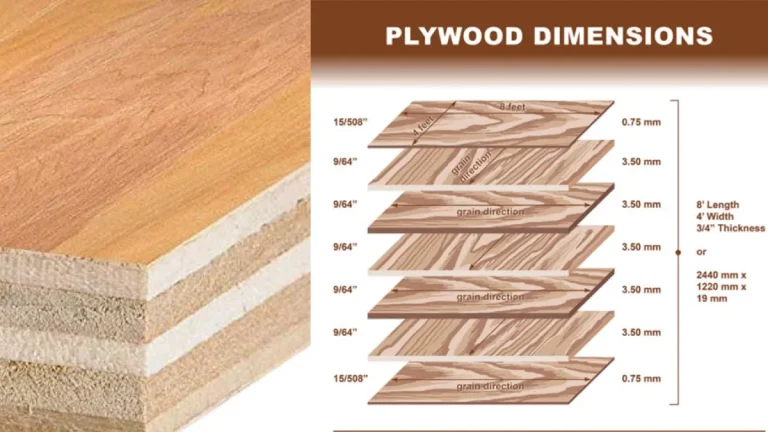
¾” plywood cabinets use cabinet-grade plywood (typically ~19mm thick) for cabinet boxes, sides, bottoms, and shelving. These panels are made of multiple thin wood plies laminated in alternating grain directions, creating a strong, dimensionally stable structure that resists warping and sagging (oppeinhome.com).
Most high-quality ¾” plywood panels contain 9–13 plies, increasing rigidity and reducing internal voids compared to low-grade plywood or particle board (Sinclair Cabinets Cape Coral Florida).
Key Benefits of ¾” Plywood Cabinets — A High-Performance Material Choice
1. Superior Structural Strength & Load-Bearing Capacity
¾” plywood (19mm cabinet-grade plywood) delivers exceptional structural integrity due to its multi-layer cross-laminated construction. Each layer reinforces the next, distributing weight evenly and significantly reducing flexing under load.
Compared to thinner plywood or particle board, ¾” plywood:
- Supports heavier storage loads without bending
- Reduces long-term shelf sag and cabinet wall deformation
- Improves the overall rigidity of cabinet carcasses, especially in large cabinet spans
Why it matters:
This makes ¾” plywood ideal for base cabinets, tall pantry units, kitchen islands, and frameless cabinet systems, where structural performance is critical.
2. Superior Screw-Holding Power & Hardware Longevity
Fasteners driven into plywood grip across multiple alternating wood grain layers, creating a stronger and more reliable mechanical bond than MDF or particle board, where screws often loosen over time.
Key benefits include:
- Hinges, drawer slides, and handles remain secure for longer periods
- Reduced risk of hinge sag, door misalignment, and drawer failure
- Lower maintenance needs and fewer long-term repairs
Result:
Cabinet hardware stays stable, aligned, and functional, extending the overall lifespan of the cabinet system.
See More: Top 99+ Most Beautiful and Modern Kitchen Cabinet Designs
3. Enhanced Moisture & Humidity Resistance
Plywood offers far greater resistance to moisture damage than particle board, which tends to swell, crumble, or delaminate when exposed to water or humidity.
In water-exposure tests:
- Plywood retains its structural integrity
- Particle board often expands, weakens, and fails
Why this matters:
¾” plywood cabinets perform better in:
- Kitchens and bathrooms
- High-humidity or tropical climates
- Coastal regions or moisture-prone environments
This makes them a more reliable long-term investment in challenging environmental conditions.
4. Reduced Warping, Twisting & Long-Term Dimensional Stability
The cross-laminated structure of plywood minimizes wood movement, helping cabinet panels remain flat, square, and dimensionally stable over time.
Unlike solid wood panels, plywood:
- Resists warping, twisting, and cracking
- Maintains consistent alignment across large cabinet surfaces
- Performs reliably despite temperature and humidity fluctuations
Why professionals prefer it:
¾” plywood is particularly well-suited for frameless cabinetry, where panel strength is essential to maintaining square construction and long-term accuracy.
5. Superior Shelf Performance & Weight Distribution
Shelves constructed from ¾” plywood can span wider distances without deflection, offering improved performance in heavy-duty storage applications.
Compared to thinner panels, they:
- Experience less sagging under cookware, pantry items, and appliances
- Maintain level alignment over long periods
- Reduce the need for additional supports or reinforcement strips
Long-term benefit:
Better shelf performance ensures cabinets retain both function and aesthetic appeal for many years.
View Full Kitchen Cabinet Collection
6. Premium Feel, Craftsmanship & Visual Quality
Beyond technical performance, thicker plywood contributes to a higher-end tactile and visual experience, often associated with premium cabinetry.
Advantages include:
- A solid, substantial feel when opening doors and drawers
- Cleaner exposed edges with less chipping or tear-out
- A more stable substrate for painted, laminated, or veneered finishes
- Stronger joinery and corner construction, improving durability and refinement
This results in cabinetry that looks, feels, and performs like a luxury product.
7. Industry & Professional Endorsement
¾” plywood is widely regarded as the industry standard for cabinet carcass construction among professional cabinetmakers and high-end manufacturers.
Professionals prefer it because it:
- Reduces warranty claims and service callbacks
- Improves build accuracy and installation consistency
- Provides dependable long-term performance
- Allows thinner materials to be reserved only for backs or drawer bottoms to optimize cost efficiency
Market reality:
Most premium cabinetry brands specify ¾” plywood as the default construction material for durable, high-quality cabinet systems.
See More White Slim Shaker Kitchens
Downsides of ¾” Plywood Cabinets — Honest Considerations Before Upgrading
While ¾” plywood cabinets are widely recognized for durability and performance, they are not always the perfect choice for every project. Understanding the potential drawbacks helps homeowners, designers, and builders make a balanced and informed decision.
Higher Cost Compared to Budget Materials
¾” plywood typically costs 10–25% more than particle board or thinner plywood options. This price increase comes from:
- Higher material quality
- More manufacturing layers
- Better durability and longer service life
However, industry experts emphasize that initial savings from cheaper materials often result in higher long-term repair or replacement costs. Investing in stronger cabinet construction can reduce maintenance expenses and improve long-term value.
Heavier Weight & Installation Considerations
¾” plywood is denser and heavier, which can:
- Increase shipping costs
- Require more effort during installation
- Slightly extend labor time on large projects
That said, the added weight also contributes to greater cabinet stability, reduced vibration, and stronger overall structure, which many professionals consider a worthwhile trade-off.
Over-Engineering for Light-Duty Applications
In spaces with minimal storage needs, such as low-use laundry rooms, garages, or temporary cabinetry installations, ¾” plywood may be more material than necessary.
For short-term use, rental properties, or budget-limited projects, thinner plywood or engineered wood panels can sometimes provide adequate performance at a lower cost.
See More: How to Choose the Right Kitchen Cabinets for Canadian Kitchens
¾” Plywood vs ½” Plywood vs Particle Board — Performance Comparison
| Feature | ¾” Plywood | ½” Plywood | Particle Board |
| Structural Strength | Excellent | Moderate | Weak |
| Moisture Resistance | High | Moderate | Low |
| Screw-Holding Power | Excellent | Moderate | Poor |
| Shelf Sag Resistance | Minimal | Moderate | High |
| Long-Term Durability | Long-term | Medium | Short |
| Dimensional Stability | High | Moderate | Low |
| Cost | Medium–High | Medium | Low |
Key takeaway:
Plywood consistently outperforms particle board in structural integrity, water resistance, and longevity, making it a superior choice for long-term cabinet performance.
When Is ¾” Plywood the Best Investment?
Ideal Applications
¾” plywood cabinets are most worthwhile in environments that demand strength, moisture resistance, and long-term reliability, including:
- Kitchen cabinetry, where heat, moisture, and heavy storage are common
- Frameless cabinet systems, which rely heavily on panel rigidity
- Pantry and heavy-duty storage, requiring strong shelf support
- Primary residences, where longevity matters more than short-term savings
- High-humidity or coastal regions, where moisture resistance is critical
- Premium renovations, where quality influences resale value and buyer perception
Situations Where ¾” Plywood May Be Unnecessary
In some cases, the premium upgrade may not deliver meaningful returns, such as:
- Short-term or temporary cabinetry projects
- Rental properties with tight budget constraints
- Low-use areas like secondary storage rooms or garages
- Projects where cost efficiency outweighs long-term durability
See More Natural Wood Kitchens
Cost vs Value — Is the Upgrade Truly Worth It?
Although ¾” plywood cabinets require a higher upfront investment, they provide significant long-term benefits, including:
- Extended lifespan with less structural degradation
- Lower maintenance and repair costs over time
- Better resistance to moisture, swelling, and material failure
- Improved resale appeal, especially in mid- to high-end homes
- A more premium look, feel, and performance, enhancing perceived home value
Long-Term Perspective
For homeowners planning to stay long-term, ¾” plywood cabinets are often a financially smart investment rather than a luxury expense. The durability, reduced replacement risk, and enhanced performance frequently outweigh the initial cost difference.
Summary Verdict
¾” plywood cabinets are not always necessary, but they remain one of the most reliable and future-proof cabinet construction choices for kitchens and long-term living spaces.
They are best viewed as an investment in durability, performance, and long-term value, rather than simply an upgrade in materials.
Is ¾” plywood necessary, or is ½” enough?
¾” plywood is the industry standard for most cabinet components and offers superior strength, but ½” can suffice for lighter-duty or specific parts with proper design.
Strength Differences
¾” plywood, with 10-15 layers, provides unmatched sturdiness, screw-holding power, and sag resistance for sides, shelves, and boxes under heavy loads like pots or appliances. ½” plywood, typically 5 layers thick, is less stable and prone to flexing or warping, making it unsuitable for frameless cabinets or primary load-bearing elements. High-quality ½” like 9-ply Baltic birch works better but still needs reinforcement via face frames or supports.
Recommended Uses
- Use ¾” for cabinet boxes, sides, shelves, and doors to ensure longevity and prevent sagging.
- ½” suffices for backs, drawer sides, or lightweight uppers with good support.
- For kitchen cabinets holding heavy items, ¾” is preferred to avoid future issues.
Comparison Table
| Component | ¾” Plywood Recommended | ½” Plywood Viable |
| Sides/Boxes | Yes (primary choice) | No, too flexible |
| Shelves | Yes (heavy loads) | Sometimes, with supports |
| Backs/Drawers | Optional | Yes (lighter duty) |
| Face-Framed | Yes | Yes (with frame) |
